


A New Chapter in Odisha’s Clean-Energy Push
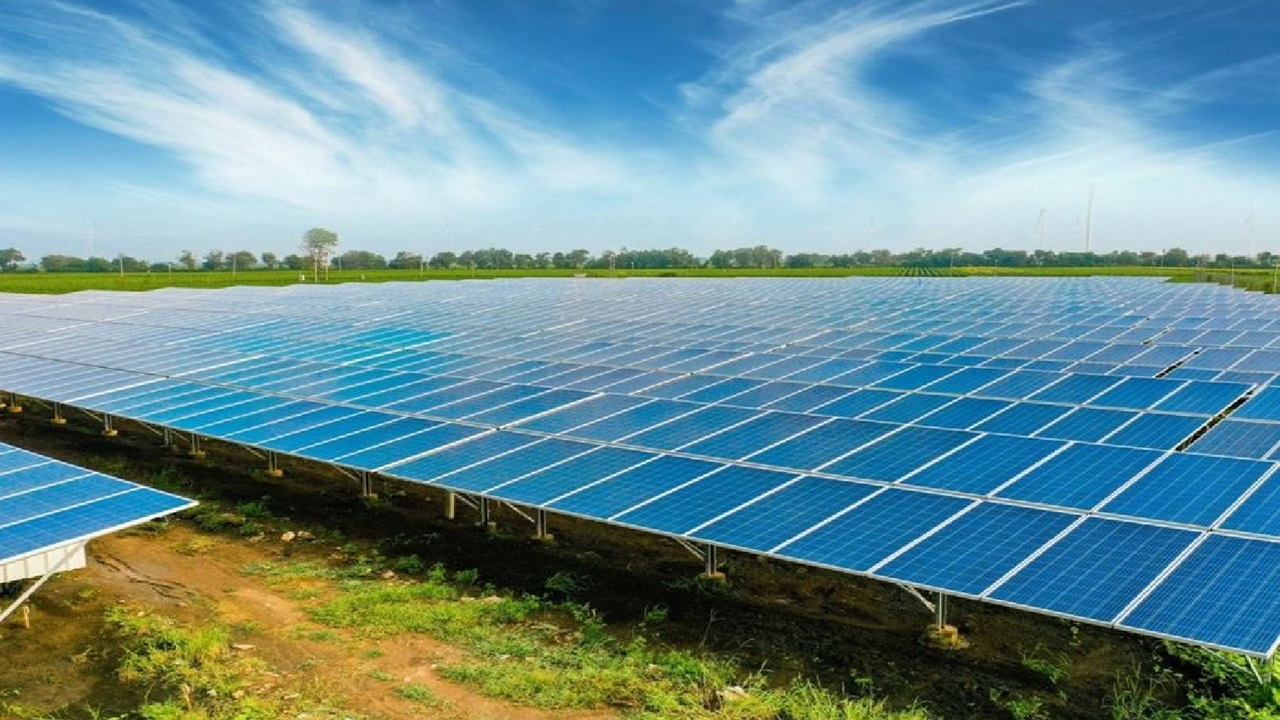
Odisha’s clearance of a ₹710.27-crore floating solar project proposed by NTPC-SAIL Power Company Ltd (NSPCL) marks a pivotal shift in how the state is planning its energy transition. Approved at the 142nd State-Level Single Window Clearance Authority (SLSWCA) meeting, the project places Sundargarh at the centre of a new experiment: turning large water bodies into productive, decarbonising assets. This investment comes as Odisha accelerates its renewable-energy portfolio and signals its readiness to adopt emerging technologies beyond conventional solar parks.
Strategic Rationale: Why Sundargarh and Why Floating Solar?
Sundargarh—already a heavyweight in mining and metals—offers an ideal setting for a floating solar installation. Water reservoirs in industrial zones provide land-free surfaces for high-capacity solar arrays, avoiding conflicts with agriculture and forest landscapes.
Floating solar fits into Odisha’s goal of unlocking clean energy without adding pressure to land acquisition. For NSPCL, a joint venture of NTPC and SAIL, the district provides a reliable industrial consumption base. Power-intensive units in the region can directly contract green electricity, reducing emissions associated with steel and ancillary industries.
The project also complements national trends where utilities increasingly deploy floating PV to reduce evaporation losses, lower land-use disputes, and utilise existing transmission networks.
Expanding the State’s Renewable Energy Capabilities
Odisha’s leadership views the NSPCL project as an important addition to its growing renewable-energy footprint. Across recent clearance rounds, the state has approved over ₹12,000 crore in green-energy investments covering solar, wind and early-stage green-hydrogen ecosystems. The floating solar project introduces a new technological class to the mix, strengthening Odisha’s operational expertise in reservoir-based generation, anchoring technology and water-based O&M protocols.
This diversification aligns with the state’s Vision 2047 clean-energy roadmap, which emphasises the need for multi-technology solutions to address land availability, ecological sensitivities and grid balancing.
Local Employment: Limited Numbers, High Technical Value
Although capital-intensive, floating solar offers specialised employment opportunities. According to SLSWCA filings, the Sundargarh project is expected to generate around 68 direct jobs, making it relatively low in headcount but high in technical demand.
During construction (18–24 months), the project will require:
· Electrical and civil engineers, site supervisors, survey teams and safety officers.
· Solar EPC specialists for module installation, DC/AC cabling and inverter systems.
· Technicians trained in assembling floaters, mooring systems and walkways.
· General construction labour for ancillary civil and mechanical works.
In operations and maintenance, long-term roles will include:
· SCADA and control-room operators.
· High-voltage electrical technicians.
· Water-based maintenance crews skilled in cleaning, corrosion control and floater inspection.
· Logistics, security, administrative and IT support functions.
The project’s true employment value lies in creating a specialised floating-solar skill ecosystem in Sundargarh—expertise that can support future RE projects state-wide.
A Small Workforce, A Big Strategic Step
Odisha’s approval of the NSPCL floating solar plant is more than a one-off investment. It signals the state’s commitment to innovation-led renewable growth, confidence in complex project execution, and intent to reposition industrial districts as clean-energy hubs. While the direct job numbers are modest, the skill formation, technology learning curve and industrial decarbonisation potential make this project a structural milestone.
If executed well, Sundargarh’s floating solar initiative could become a blueprint for water-based clean energy across eastern India—an asset class that helps Odisha scale renewables without compromising land, livelihoods or ecological balance.
(With agency inputs)