What are MLALAD and CM-SA?
The MLA Local Area Development (MLALAD) scheme is a government initiative that empowers Members of the Legislative Assembly to recommend small-scale infrastructure projects in their constituencies. These projects typically address grassroots needs such as rural roads, community halls, drainage systems, and drinking water facilities — developments that often bypass large state or central planning processes but directly impact everyday life.
The Chief Minister’s Special Assistance (CM-SA) scheme complements MLALAD by funding priority infrastructure works that fall outside its scope. Together, these programs serve as vital tools for decentralised decision-making, allowing elected representatives to channel resources into projects that match local priorities and improve public welfare.
Major Overhaul Announced
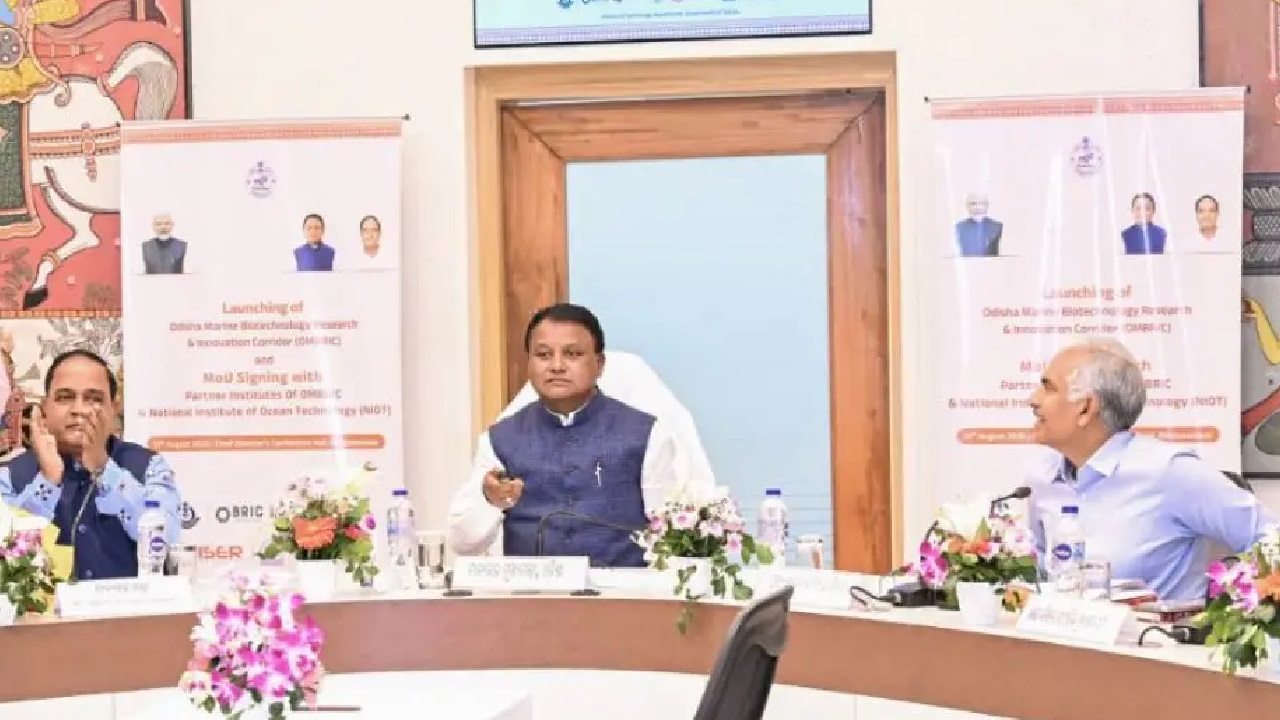
On Wednesday, Chief Minister Mohan Charan Majhi unveiled a revised framework for both MLALAD and CM-SA at Lok Seva Bhawan, Bhubaneswar. Alongside simplified guidelines, the government launched a dedicated web portal — https://mlalads.odisha.gov.in — to streamline project approvals and monitoring.
The announcement, made before the state cabinet meeting, was attended by cabinet ministers, Chief Secretary Manoj Ahuja, Development Commissioner Anu Garg, and other senior officials. The updated rules were developed after consultations with MLAs, Assembly Committee members, and a review of best practices from neighbouring states.
Key Features of the Reform
The revised guidelines introduce a strict 30-day processing timeline — from the moment an MLA recommends a project to its administrative approval and work order issuance. This is expected to eliminate bureaucratic delays that have historically slowed down smaller but crucial works.
The new MLALAD portal will serve as an end-to-end project management system. Through it, MLAs can:
· Recommend projects
· Conduct needs assessments
· Prepare cost estimates
· Obtain administrative approvals
· Issue work orders
The platform also includes real-time monitoring tools, expenditure tracking, and public access features. Constituency residents will be able to view proposed projects, thereby fostering transparency and citizen oversight.
Increased Funding for 2025–26
Since its inception in 1997–98 with an allocation of just ₹5 lakh per constituency, MLALAD funding has steadily grown. In recent years, it stood at ₹3 crore per constituency. The new reforms will see a historic increase to ₹5 crore per constituency in the 2025–26 fiscal year.
The CM-SA scheme will also operate under the same streamlined rules, ensuring faster execution of priority works outside the MLALAD umbrella.
Government’s Vision
Presenting the new framework, Development Commissioner Anu Garg stressed that the integrated approach — combining decentralised planning with digital oversight — would strengthen the alignment between local needs and tangible outcomes. By giving MLAs efficient tools and higher budgets, the government aims to deliver targeted, impactful results to communities.
Chief Minister Majhi framed the reforms as part of a responsive governance agenda:
“By simplifying procedures and leveraging technology, we are ensuring that developmental works at the grassroots level are executed swiftly and transparently. This is about making every rupee count for the people.”
Benefits of the Digital System
Officials highlighted several advantages of the portal:
· Early detection of bottlenecks through real-time data
· Reduced administrative workload for departments
· Greater accountability through public access to project details
· Citizen engagement in development planning
During the launch, a live demonstration showcased the portal’s user-friendly interface and its step-by-step workflow from project proposal to completion tracking. Department officials from Works and Panchayati Raj expressed optimism that the technology would significantly improve efficiency.
A Potential Model for Other States
By combining higher allocations, faster approvals, and transparent digital management, Odisha hopes to set a national benchmark for constituency-level development schemes. The government anticipates that the reforms will lead to quicker project completion, improved infrastructure delivery, and enhanced public trust in the process.
Strengthening the Last Mile of Development
The revamped MLALAD and CM-SA frameworks underscore a broader shift toward technology-driven governance and citizen-focused policy-making. By cutting red tape, boosting funding, and opening up data for public scrutiny, Odisha is not just modernising administrative processes — it is also reinforcing democratic accountability.
If implemented effectively, the model could inspire similar reforms in other states, making local development faster, more transparent, and more responsive to the people it serves.
(With agency input)