Gold’s Place in India’s Economy
Gold has always held a unique significance in India, not just as a cultural and religious symbol, but also as a critical economic asset. The country is one of the largest global consumers of the yellow metal, importing nearly 700–800 metric tonnes annually to meet domestic demand. Yet, India’s own gold output has remained strikingly low—barely 1.6 tonnes as of 2020—making it heavily reliant on imports. Historically, Karnataka’s Kolar Gold Fields symbolized India’s mining potential, once earning fame as the “Golden City of India.” But after its decline, the country has lacked any major new discoveries. That could now change, with Odisha stepping into the spotlight.
Discovery Across Multiple Districts
In a breakthrough development, the Geological Survey of India (GSI) has confirmed the presence of gold deposits across several districts of Odisha. Areas such as Deogarh (Adasa-Rampalli), Keonjhar, Sundargarh, Nabarangpur, Angul, and Koraput have already shown confirmed reserves. Meanwhile, exploration continues in Mayurbhanj, Sambalpur, Malkangiri, and Boudh, raising the possibility of even wider findings.
Odisha Mines Minister Bibhuti Bhushan Jena informed the legislative assembly earlier this year that these surveys indicate the state may hold reserves between 10 and 20 metric tonnes of gold. While this figure is modest compared to India’s massive import needs, it marks an important milestone in reviving the country’s domestic production capabilities.
Commercialisation and State Strategy
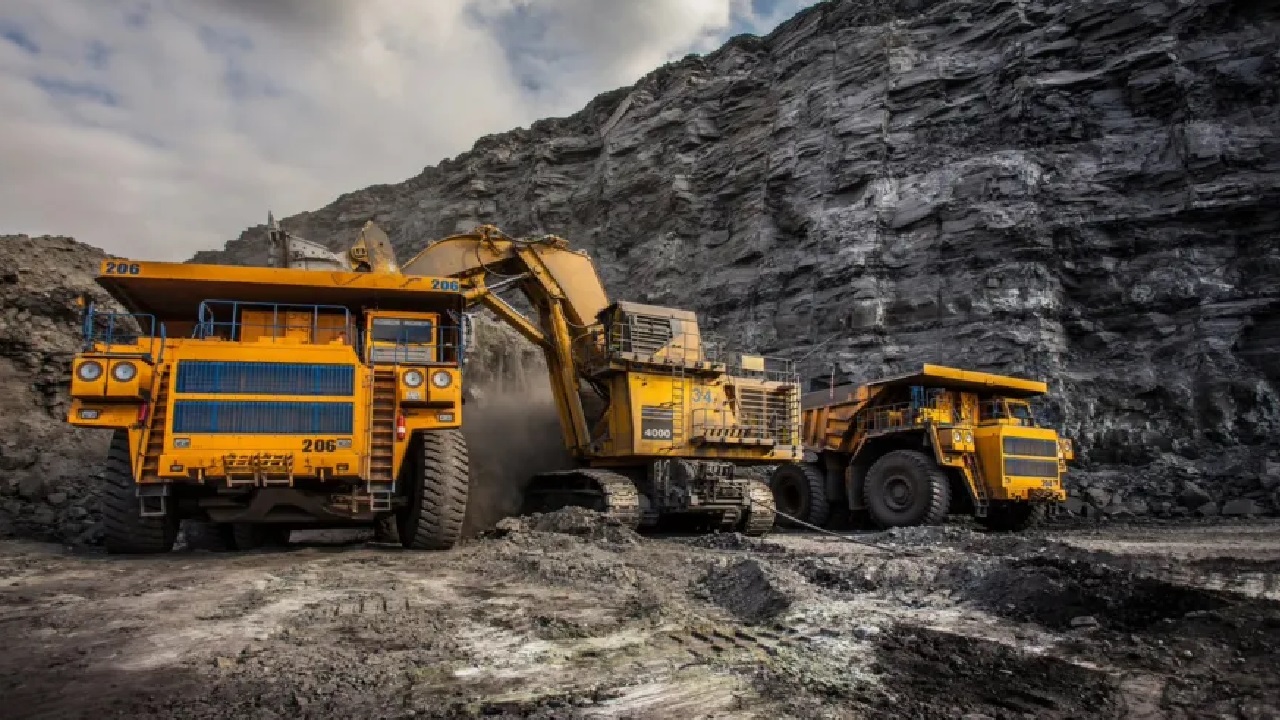
The Odisha government is moving swiftly to translate discovery into opportunity. Alongside the Odisha Mining Corporation (OMC), officials are preparing to auction the state’s first gold mining block in Deogarh. This step is expected to mark a turning point for Odisha’s mineral sector, long dominated by chromite, bauxite, and iron ore.
The GSI is also accelerating its exploration activities. Current projects are progressing from G3 (preliminary reconnaissance) to G2 (detailed sampling and drilling) stages in areas like Adasa-Rampalli and Gopur-Gajipur. Once resources are confirmed as commercially viable, mining operations could bring substantial infrastructure development, job creation, and auxiliary industries to the region.
Economic Implications for India and Odisha
Although Odisha’s reserves are unlikely to dramatically alter India’s gold import bill, they do carry meaningful implications. First, they represent a step toward reducing import dependence, however small. Even incremental domestic production can improve resource security and support foreign exchange stability.
For Odisha specifically, the impact could be much larger. The state already accounts for 96% of India’s chromite, over half of its bauxite, and a third of its iron ore reserves. Adding gold to this portfolio diversifies its mining economy and positions Odisha as a more comprehensive mineral hub. The ripple effects could include better infrastructure, stronger local markets, and enhanced state revenues.
Experts also point to the potential social benefits. New mining zones may bring direct employment, stimulate local services, and encourage investment in transportation and logistics. However, careful environmental and social safeguards will be essential to balance development with sustainability.
India’s Import Dependency and Future Prospects
India’s gold appetite is deeply ingrained in its cultural traditions, from weddings to festivals, which drives consistent demand regardless of price fluctuations. This demand has long forced the country to rely on imports, straining the trade deficit. With confirmed reserves in Odisha, India now has an opportunity—albeit limited—to boost domestic output.
Industry observers estimate that even if Odisha’s reserves produce at the higher end of projections, the output will remain small compared to national consumption. Nevertheless, these discoveries could spark more intensive exploration across unexplored terrains, potentially revealing additional reserves elsewhere.
A Golden Opportunity with Measured Expectations
The discovery of gold deposits in Odisha rekindles memories of India’s once-thriving gold mines and opens new prospects for both the state and the nation. While the reserves may not be large enough to revolutionize India’s gold economy, they symbolize an important move toward resource diversification and reduced dependence on imports. For Odisha, the find represents more than just minerals—it promises fresh economic activity, jobs, and long-term growth opportunities.
The path ahead will depend on swift but responsible commercialisation, transparent auctions, and sustainable mining practices. If managed wisely, Odisha’s new gold could glitter far beyond the mines, adding value to India’s economy and leaving a lasting mark on the state’s development story.
(With agency inputs)