A Bold New Chapter for Education in Odisha
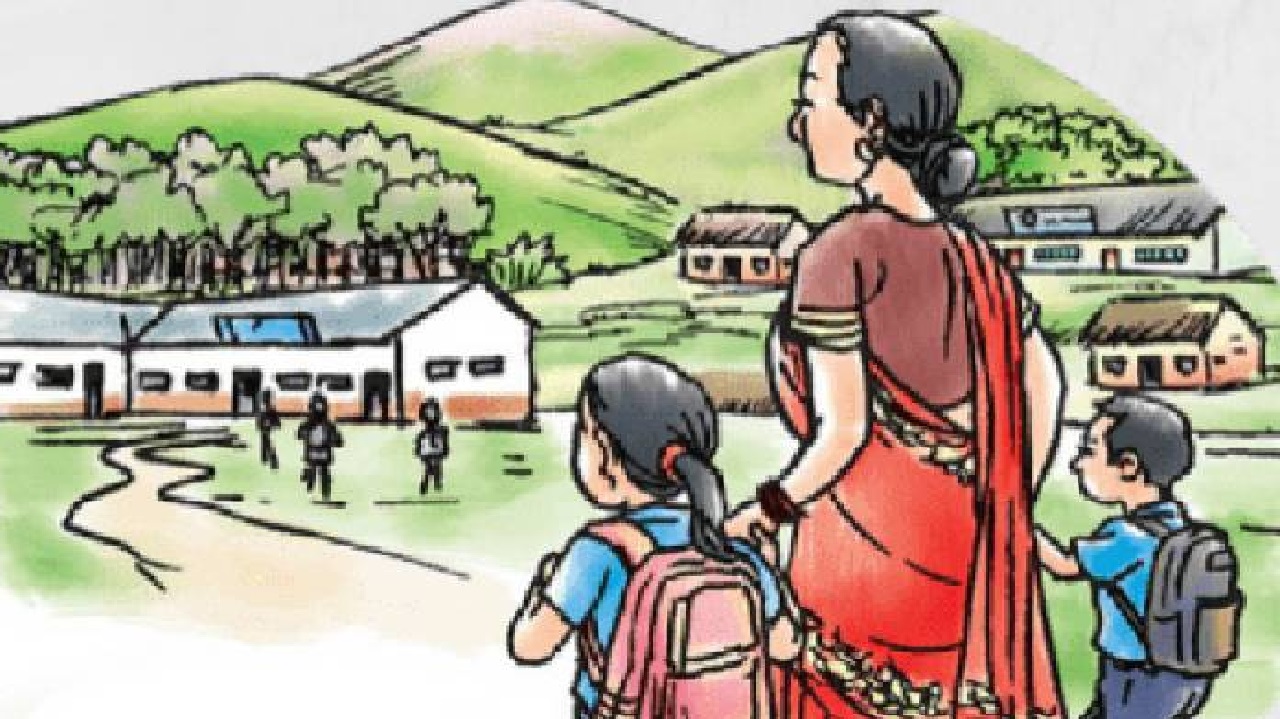
In a landmark decision poised to reshape foundational education, the Odisha government has announced the launch of 835 model primary schools under its flagship Godabarish Mishra Adarsha Prathamik Vidyalaya scheme. The initiative, revealed during a high-level review meeting chaired by Chief Minister Mohan Charan Majhi in Bhubaneswar, represents a transformative push to elevate primary schooling standards across the state, especially in rural and remote regions.
Conceived as a cornerstone of Odisha’s broader education reform, the scheme envisions these model schools serving as feeder institutions to existing high schools—strengthening the system from the grassroots.
Rs 7 Crore Per School: Investing in World-Class Infrastructure
Each model school will receive a substantial investment of ₹7 crore, demonstrating the state’s strong commitment to establishing learning spaces on par with national benchmarks. The infrastructure plan includes smart classrooms, science labs, libraries, playgrounds, and sanitation facilities.
To ensure the schools are viable for long-term growth, the following eligibility criteria have been set:
· Minimum enrolment of 100 students
· Classes running from pre-primary (Shishu Vatika) to Class 8
· Availability of at least two acres of land
This strategic framework ensures that selected schools have the scalability and land resources needed to evolve over time.
One Model School Per Panchayat HQ: Taking Equity Seriously
As part of a decentralized and inclusive approach, CM Majhi directed that each Gram Panchayat headquarters must have at least one model school. This geographic equity is designed to narrow the urban-rural education gap by offering high-quality educational facilities to students in underdeveloped and remote regions.
This policy ensures that access to modern learning environments is no longer a privilege reserved for urban students, but a fundamental right extended state-wide.
Accessibility Boost: Free Transportation for Remote Students
Recognizing the logistical challenges faced by children in hilly or inaccessible areas, the Chief Minister has ordered the provision of free transportation services to and from the model schools. This move is expected to improve:
· Attendance rates
· Reduce dropouts
· Increase gender parity in school participation
By eliminating travel as a barrier, the initiative aligns with broader goals of educational inclusion and social justice.
Schools Built for Tomorrow: Ready for Future Upgradation
Though the initial focus is on primary education, these institutions are being designed with an eye toward future expansion into high schools. This forward-looking approach ensures infrastructure sustainability, enabling students to continue their educational journey within familiar, upgraded environments.
This design philosophy reduces long-term costs and fosters continuity in learning outcomes, minimizing student displacement during transitions to higher classes.
Beyond Buildings: Focus on Learning Outcomes and Teacher Quality
Chief Minister Majhi emphasized that educational reform must go beyond infrastructure. He called for:
· Adoption of digital learning tools and e-governance in school management
· Recruitment of trained, competent teachers
· Implementation of performance-based accountability mechanisms
These steps aim to move the focus from inputs to outcomes—ensuring that students don’t just attend school, but actually learn and thrive.
Strengthening Foundational Skills Early
Aligned with the goals of the National Education Policy (NEP) 2020, the scheme prioritizes achieving foundational literacy and numeracy by Class 3. This early intervention is considered critical to ensuring long-term academic success and reducing learning deficits at higher levels.
The goal is to empower every child with the ability to read, write, and perform basic arithmetic by age 8—a proven indicator of future educational achievement.
Holistic Education: Building Skills for Life
Odisha’s model schools won’t just be academic hubs—they’ll promote well-rounded development. The curriculum will integrate:
· STEM education
· Vocational training
· Creative thinking and life skills
This multifaceted approach is aimed at producing learners who are not only exam-ready but life-ready, capable of adapting to the demands of a fast-changing world.
Engaging the Community: Education as a Shared Responsibility
The government is also placing strong emphasis on community engagement. Parents, alumni, and local leaders will be encouraged to participate actively in school development, creating a culture of shared ownership and local accountability.
This participatory model is expected to boost morale, enhance transparency, and ensure that the model schools reflect the aspirations of the communities they serve.
A Vision Rooted in Equity and Excellence
The rollout of 835 model primary schools under the Godabarish Mishra Adarsha Prathamik Vidyalaya scheme represents a seismic shift in Odisha’s education strategy. With a blend of modern infrastructure, inclusive access, teacher empowerment, and holistic development, the initiative is set to redefine how primary education is delivered across the state.
By combining visionary planning with grassroots execution, Odisha is not only investing in schools but in the future of its children, potentially setting a national benchmark for foundational education reform.
(With agency inputs)