A Rare Admission Amid High-Stakes Conflict
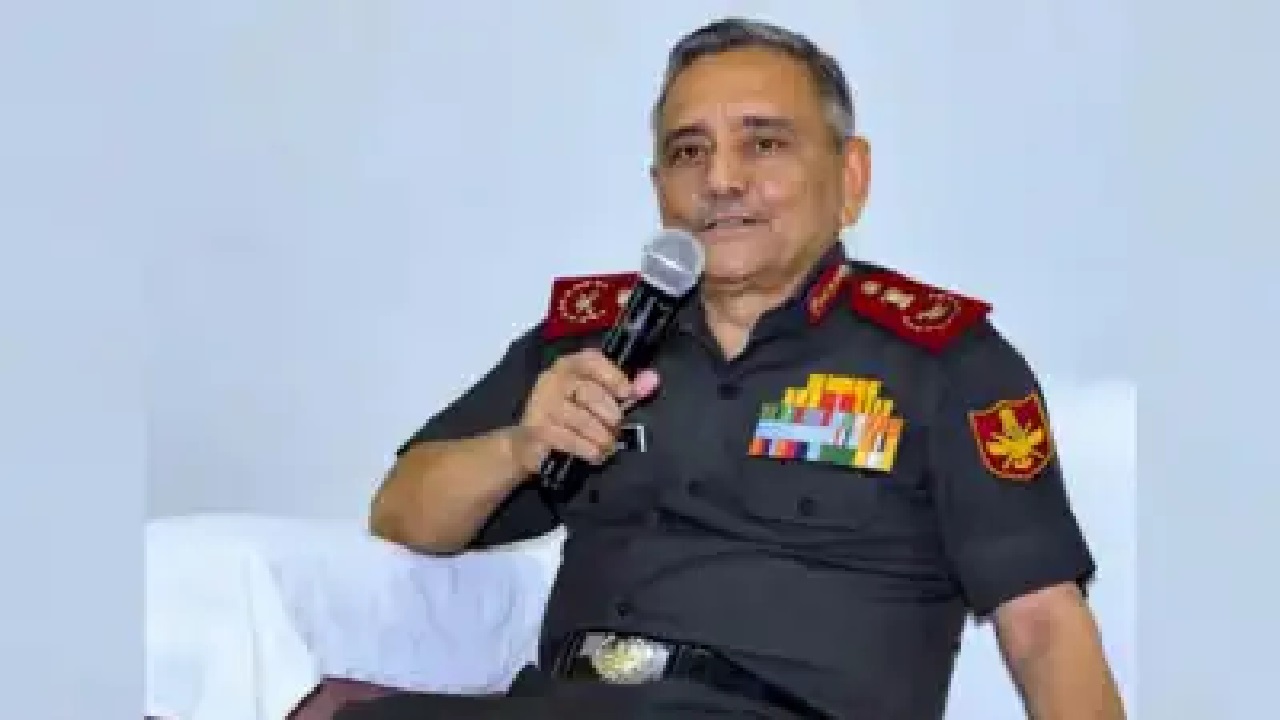
For the first time since the intense four-day conflict with Pakistan in May, India’s Chief of Defence Staff (CDS), General Anil Chauhan, publicly acknowledged the loss of Indian fighter jets during Operation Sindoor. In a candid interview at the Shangri-La Dialogue in Singapore, General Chauhan dismissed Pakistan’s exaggerated claims and emphasized India’s swift tactical recovery, calling it a lesson in real-time military adaptability.
“Numbers Aren’t Important. Mistakes Are.”
General Chauhan, speaking to Bloomberg TV, confirmed that India did lose aircraft during the confrontation, though he did not disclose specific numbers. Instead, he focused on the significance of understanding why those losses occurred.
“What is important is not the jet being down, but why they were down,” he said. “The good part is that we understood the tactical mistake, remedied it, rectified it, and two days later, implemented those learnings. We flew our jets again and hit deep-range targets successfully.”
This rare public admission is India’s most direct acknowledgement of combat losses during the operation, breaking the official silence that had surrounded the air engagements of early May.
Debunking Pakistan’s Claims
Pakistan’s Prime Minister Shehbaz Sharif had claimed earlier this month that six Indian fighter jets were shot down — a statement that was quickly challenged but not directly addressed until now. General Chauhan called those claims “absolutely incorrect,” while also cautioning against focusing purely on numbers.
Furthermore, he dismissed assertions that the region stood on the brink of nuclear confrontation. “It is far-fetched to suggest either side was close to using nuclear weapons,” Chauhan said. “There is a lot of space between conventional operations and the nuclear threshold.”
He confirmed that communication channels between India and Pakistan remained open throughout the crisis, offering a vital diplomatic backstop even amid active hostilities.
China’s Support to Pakistan “Didn’t Work”
General Chauhan also addressed reports that China provided Pakistan with military and satellite support during the conflict, including advanced air-defense systems. “They didn’t work,” he said confidently.
Referring to India’s offensive capability, he added, “We conducted precision strikes on heavily defended Pakistani airfields, 300 kilometers inside their territory, with meter-level accuracy.”
A Defense Ministry research report had recently revealed Beijing’s covert support to Islamabad during the clashes, underscoring the growing complexity of South Asia’s security dynamics.
India’s Global Narrative and Red Lines
As both India and Pakistan send diplomatic delegations around the world to shape global perceptions, General Chauhan made it clear that India’s position is grounded in clarity and strength.
“The cessation of hostilities is holding,” he noted, “but its future depends entirely on Pakistan’s behavior. We have laid clear red lines.”
India’s military doctrine continues to evolve, showing a willingness to adapt tactically while maintaining strategic restraint — a balance increasingly necessary in a nuclear-armed neighborhood.
Strength Lies in Reflection and Readiness
General Chauhan’s remarks mark a pivotal shift in India’s strategic communication — combining transparency, accountability, and deterrence. By admitting errors, correcting them swiftly, and responding with calibrated force, India has demonstrated that true military strength lies not only in firepower, but also in the ability to learn and adapt. In a region fraught with volatility, that discipline may prove to be the strongest weapon of all.
(With agency inputs)