


A Vocal Voice After Pahalgam: Owaisi’s Consistent Stand Against Terror
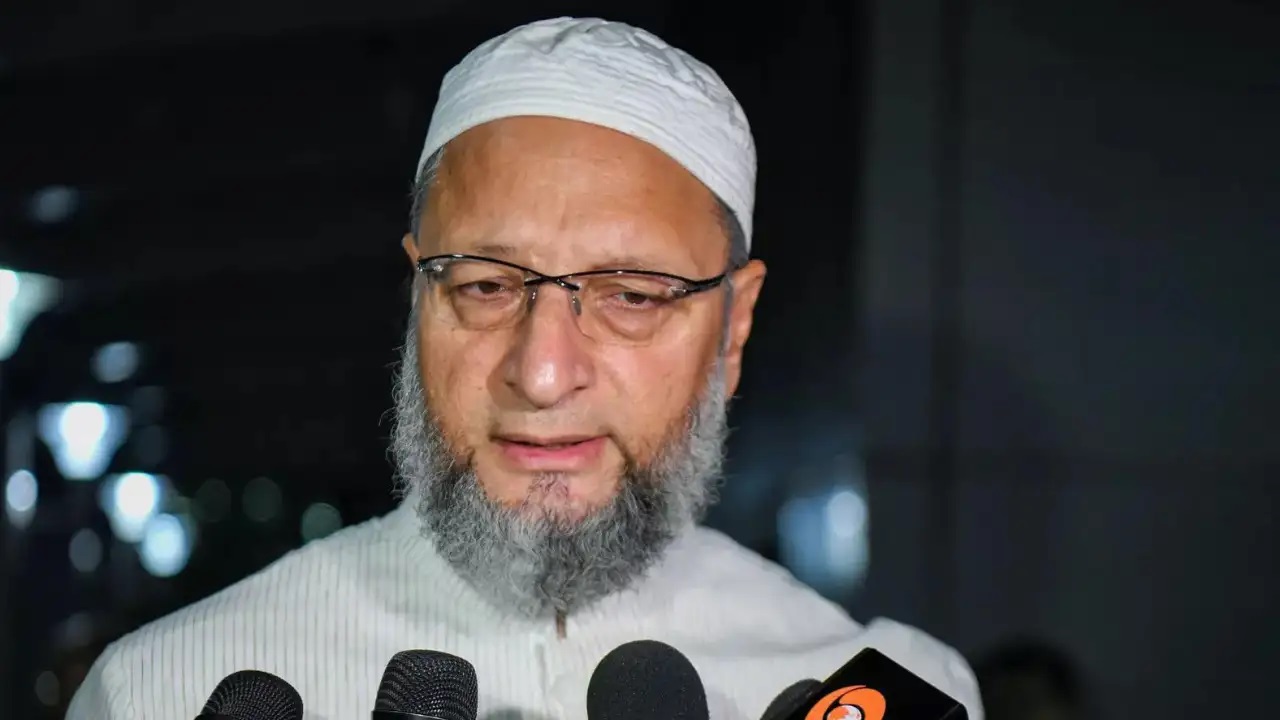
Asaduddin Owaisi, leader of the All India Majlis-e-Ittehadul Muslimeen (AIMIM), has once again emerged as a powerful voice in the wake of the Pahalgam terror attack. With clarity and consistency, he has taken a firm stance against terrorism and openly denounced Pakistan’s alleged role in fostering cross-border militancy. His latest remarks, made during a diplomatic outreach in Riyadh, are a continuation of his efforts to hold Pakistan accountable while reinforcing India’s global position on security.
Unmasking Pakistan’s Double Standards in Riyadh
Speaking as part of an all-party Indian delegation led by BJP MP Baijayant Panda, Owaisi didn’t mince words. He strongly criticized Pakistan Army Chief Asim Munir for appearing alongside a US-designated terrorist, Mohammad Ehsan, during a celebratory event. “There are photographs of him shaking hands with this field marshal,” Owaisi stated, holding up visual evidence during his speech.
He further demanded Pakistan be returned to the grey list of the Financial Action Task Force (FATF), pointing to Islamabad’s failure to dismantle terrorist financing networks. “Only when Pakistan was on the FATF grey list did we see any progress in prosecuting terrorist offenders,” he said, referencing the lack of action post-26/11 Mumbai attacks and the Pathankot airbase attack.
Backed by Facts: A Call for Accountability
Owaisi reminded attendees of the 26/11 evidence presented by Indian authorities, including recordings of attackers communicating with handlers in Pakistan, yet receiving no meaningful cooperation. He accused the Pakistani government of repeatedly lying, citing how they declared Sajid Mir dead before admitting his existence to FATF.
He also addressed the manipulation of narratives surrounding terror convictions, explaining that while some individuals were imprisoned, the charges related to money laundering, not terrorism. “We must be clear. The courts in India acted with full due process,” he said.
Operation Sindoor and Strategic Diplomacy
Owaisi is not acting in isolation. His Riyadh appearance was part of a broader diplomatic initiative—India’s Operation Sindoor global outreach. Along with prominent parliamentarians like Nishikant Dubey, Phangnon Konyak, Rekha Sharma, and Ghulam Nabi Azad, the delegation has been touring key international destinations to articulate India’s counter-terrorism strategy and expose Pakistan’s duplicity on global platforms.
Operation Sindoor itself was launched on May 7 as a direct response to the April 22 Pahalgam attack, which left 26 people dead. The Indian armed forces executed precision strikes on nine terror camps in Pakistan-occupied territories, eliminating over 100 militants.
A Unified Indian Front on Terrorism
Owaisi’s participation highlights an important dynamic—counter-terrorism in India transcends political lines. While often a vocal critic of the central government domestically, Owaisi has shown alignment with the national interest abroad, particularly when it comes to Pakistan’s support for terror networks. He stated bluntly, “Who do we speak to in Pakistan? When their army sits with terrorists, what message does that send?”
Drawing the Red Line
As India continues to harden its stance on terror and push back against international leniency toward Pakistan, voices like Owaisi’s carry weight in global capitals. His Riyadh address wasn’t just a criticism—it was a demand for accountability, backed by evidence, history, and moral clarity. As Operation Sindoor expands India’s outreach, it is increasingly clear that terrorism is not a partisan issue but a national imperative. With leaders across the political spectrum speaking in unison, India is redrawing the lines on what the world must tolerate—and what it must no longer ignore.
(With agency inputs)