A Nation at Boiling Point
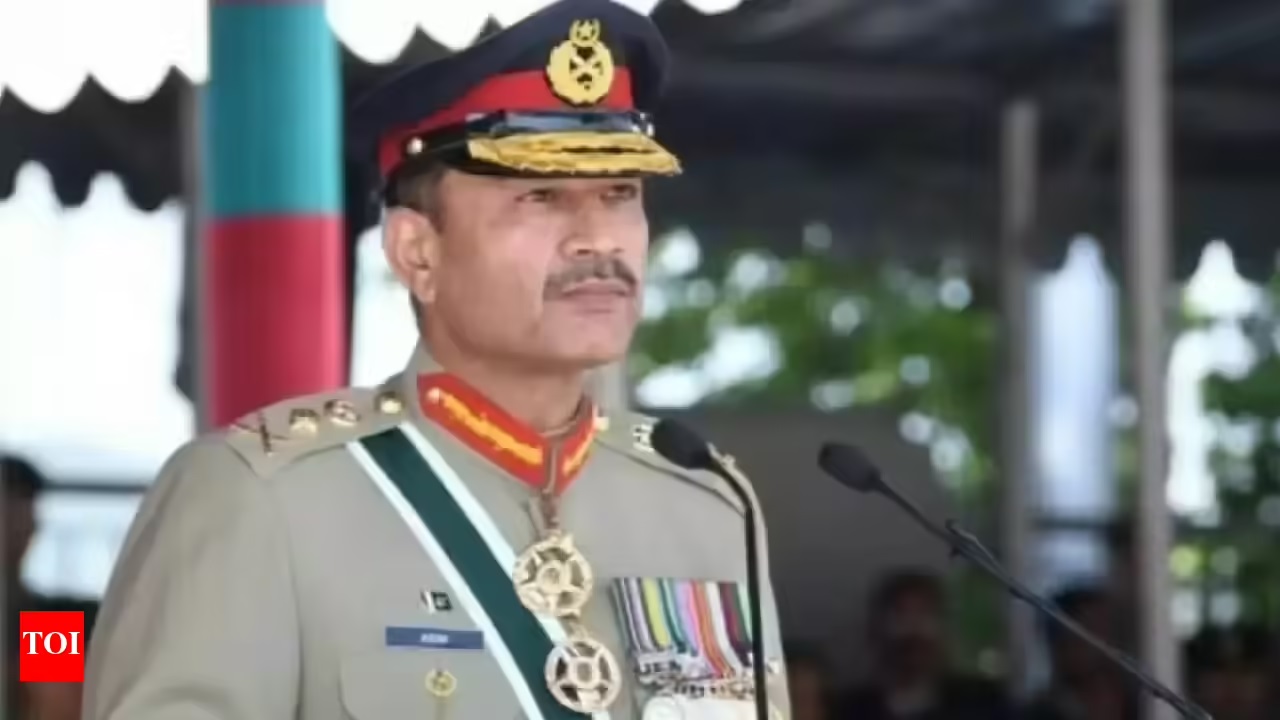
Pakistan is witnessing widespread unrest as thousands take to the streets opposing a controversial constitutional amendment introduced by Prime Minister Shehbaz Sharif’s government. The proposed reform—seen as a major shift in Pakistan’s power balance—would expand the authority of the military establishment, particularly the Army Chief, General Asim Munir.
While the government frames the move as a step toward national stability, the opposition and civil society see it as a direct assault on democracy, warning that it could entrench military dominance and silence civilian institutions. The protests, marked by fiery slogans and public defiance, reflect a growing fear that Pakistan’s fragile democracy may once again be overshadowed by the military’s iron grip.
The Amendment: A Blueprint for Military Empowerment
The proposed constitutional amendment—one of the most sweeping in Pakistan’s recent history—seeks to institutionalize the military’s control over governance. Though the final draft remains undisclosed, leaks and insider reports outline several alarming provisions:
· Expanded authority for the Army Chief in appointing or influencing key civilian positions, including the Prime Minister and federal ministers.
· Direct intervention rights in provincial matters under the pretext of “national security.”
· Extended military oversight over civilian agencies and decision-making bodies.
· Reduced parliamentary and judicial checks on military operations or administrative involvement.
In essence, the amendment blurs the traditional separation between military and civilian governance, effectively granting the armed forces constitutional legitimacy in political affairs.
Public Outrage: Why Pakistanis Are Protesting
Opposition leaders, including members of the Pakistan Tehreek-e-Insaf (PTI) and the Pakistan People’s Party (PPP), have denounced the move as “the death of democracy.” Their message resonates widely among the public, who fear the amendment will turn Pakistan into a de facto military state.
Protesters argue that enshrining military control into the constitution not only erases civilian supremacy but also repeats the darkest chapters of Pakistan’s history—decades marred by coups, censorship, and the side-lining of elected governments.
The chant echoing through Karachi, Lahore, and Islamabad— “No to dictatorship!”—captures the sentiment of citizens determined to defend their political freedoms. Women’s rights activists, students, and journalists have joined demonstrations, emphasizing that a militarized constitution threatens civil liberties and transparency.
Government’s Defense: Stability Over Strife
In response, the Shehbaz Sharif government insists the amendment is designed to “enhance institutional harmony” and strengthen national security amid mounting challenges—ranging from terrorism to political fragmentation. Officials argue that empowering the military will prevent governance paralysis, ensure swift crisis management, and maintain order in volatile regions.
Supporters within the ruling coalition claim the reform does not dismantle democracy but instead “clarifies roles” between civilian and defense institutions. They portray it as a pragmatic step to secure Pakistan’s internal stability and sovereignty amid growing regional pressures from Afghanistan, India, and China.
Democracy at a Crossroads
The amendment represents a pivotal test for Pakistan’s constitutional future. If passed, it could formalize the military’s dominance—turning informal influence into legal authority. Such a development risks eroding the credibility of parliament and judiciary, triggering political polarization and civil unrest.
Analysts warn that the move may also strain Pakistan’s international standing, especially with Western allies who have long pressed for democratic reforms and civilian-led governance. Moreover, the timing—amid an economic crisis and declining public trust—raises suspicion that the amendment seeks to consolidate power rather than solve national issues.
The protests, therefore, are not merely about one law—they symbolize a broader fight for democratic survival in a state where the balance between the barracks and the ballot box has always been precarious.
Restoring Balance Before It’s Lost
The Constitutional Amendment controversy has reignited Pakistan’s enduring struggle between civilian rule and military dominance. While the government defends its proposal as a stabilizing measure, the street protests reveal deep-rooted fears of authoritarian regression.
Moving forward, Pakistan must pursue inclusive dialogue among political parties, the military, and civil society to realign governance with constitutional democracy. True stability will not come from expanding military powers but from strengthening civilian institutions, ensuring accountability, and fostering public trust.
Only through restraint, transparency, and respect for democratic norms can Pakistan avoid sliding into another era of military overreach—and reclaim its promise as a people’s republic.
(With agency inputs)