High-Stakes Diplomacy in Washington
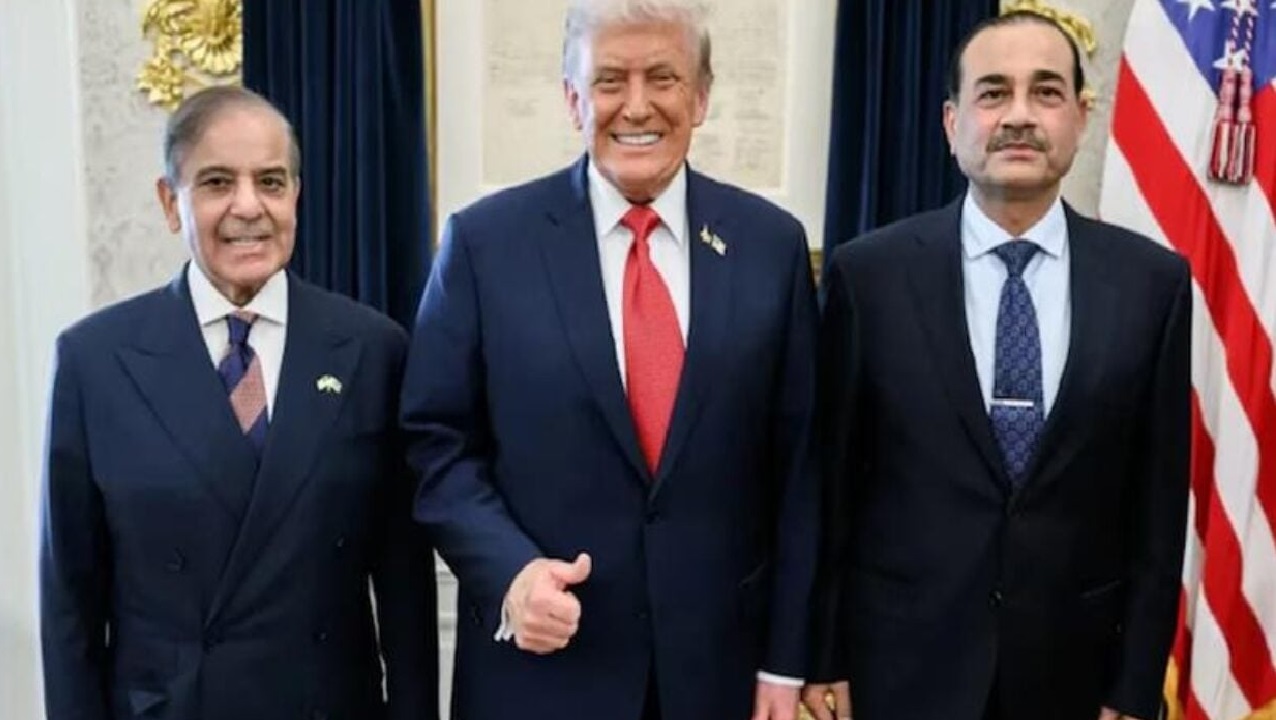
Pakistan’s civil-military leadership is attempting a bold reset with Washington. In September, Prime Minister Shehbaz Sharif and Army Chief Field Marshal Asim Munir sat down with U.S. President Donald Trump at the White House in what is being described as a pivotal meeting. The discussions centered around regional security, counter-terrorism, and economic cooperation—topics that have long defined the turbulent trajectory of U.S.-Pakistan ties.
Barely weeks after the talks, reports suggest that Munir’s advisers floated an ambitious proposal: to allow U.S. investors to build and operate a new port on the Arabian Sea, specifically in Pasni, Balochistan. The plan, revealed by the Financial Times, seeks to link the port to Pakistan’s mineral-rich western provinces through a dedicated rail network. Crucially, the blueprint excludes any military use by the U.S., instead focusing solely on trade, logistics, and critical mineral access.
From Isolation to Engagement
The overture reflects Islamabad’s changing fortunes in Washington. During Joe Biden’s presidency, Pakistan found itself marginalized—Biden neither spoke with any Pakistani premier nor extended a White House invitation. Relations were overshadowed by U.S. frustrations over Pakistan’s links with the Taliban.
Trump’s return to power, however, has brought an unexpected thaw. He has described Sharif as a “man of peace” and personally engaged Munir in rare one-on-one discussions. The offer to host U.S.-backed infrastructure in Pasni now signals Pakistan’s intent to anchor its strategic future not only on Chinese-funded projects like Gwadar but also on American capital and influence.
The economic stakes are significant. U.S.-Pakistan trade touched $10.1 billion in 2024, with Washington importing $5.1 billion worth of goods from Islamabad, leaving a $3 billion deficit. A port investment tied to mineral access would deepen this commercial relationship while diversifying Pakistan’s fragile economy.
The India Angle
For New Delhi, these developments carry layered implications. India has long viewed U.S. engagement with Pakistan through the prism of regional stability and terrorism. A stronger U.S.-Pakistan economic partnership, particularly in strategically sensitive Balochistan, could complicate India’s security calculus.
Pasni’s location—less than 200 kilometers from Gwadar, where China has established a foothold—raises questions about whether Islamabad is balancing Beijing with Washington or playing one against the other. Either way, a U.S.-backed port could inject new competition into the region’s connectivity projects, including India’s investments in Iran’s Chabahar port.
At the same time, Trump’s open embrace of Pakistan contrasts with Washington’s deepening strategic convergence with India under both Democratic and Republican administrations. New Delhi will be closely watching whether U.S. commercial interests in Pakistan dilute its hard stance on cross-border terrorism or shift the balance of diplomatic leverage in South Asia.
A Fragile Realignment
Pakistan’s approach is not without risks. Domestic critics fear over-reliance on foreign investors could deepen dependency, while skepticism lingers in Washington about Islamabad’s credibility given its past duplicity during the Afghan war. Moreover, while Pakistan promises no military role for the U.S. at Pasni, the port’s proximity to both Iran and Afghanistan ensure that the project will carry geopolitical undertones regardless of intent.
A Calculated Gamble
Pakistan’s Arabian Sea proposal reflects a calculated gamble to regain relevance in Washington’s strategic outlook. By offering trade and mineral access rather than military cooperation, Islamabad hopes to recast its image from a security burden to an economic partner.
For India, this evolving equation is both a challenge and an opportunity. While U.S.-Pakistan closeness may complicate regional balances, it also underscores the urgency for New Delhi to strengthen its own partnerships—particularly in energy, trade, and maritime security. Ultimately, whether the Pasni project materializes will depend not only on U.S. investor appetite but also on Islamabad’s ability to prove that this time, its promises of partnership can withstand the weight of history.
(With agency inputs)