A Controversial Start to “Clean Punjab”
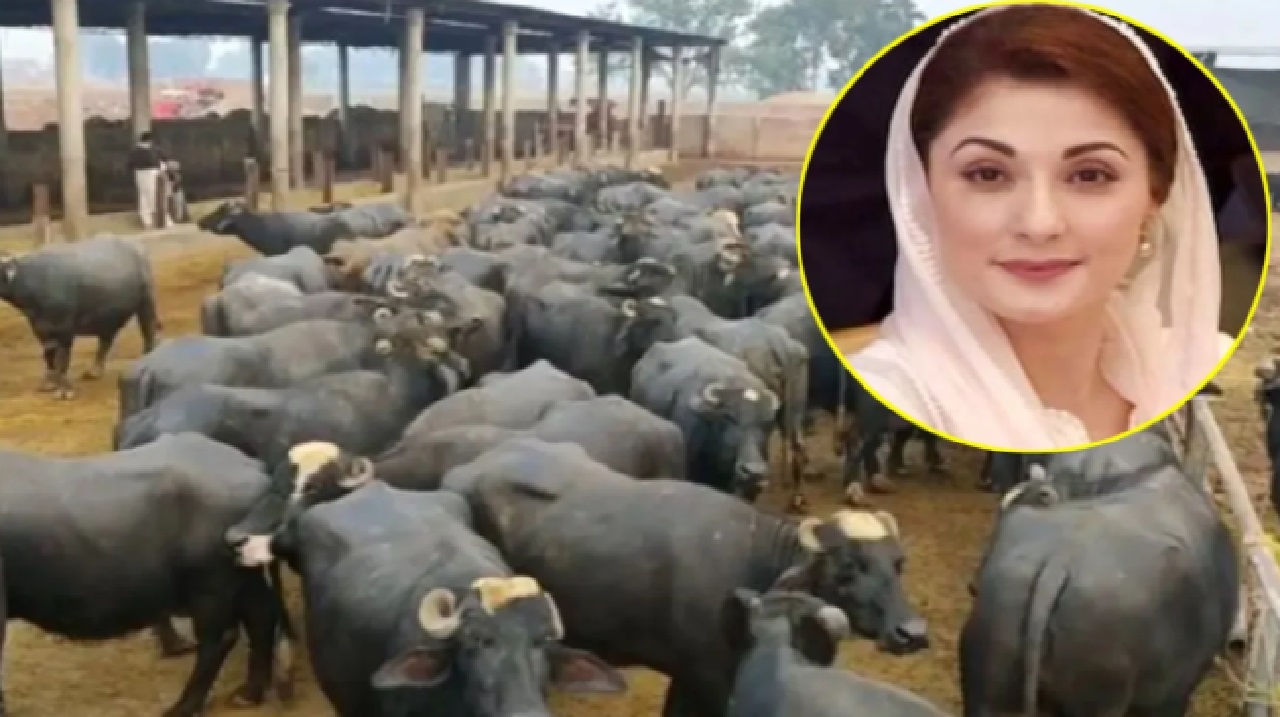
The Punjab government in Pakistan has ignited widespread debate by introducing a daily “Gobar Tax” of PKR 30 on buffaloes and cows in designated dairy colonies. Framed as part of the “Suthra Punjab” (Clean Punjab) programme, the levy aims to fund waste management by formalising the collection and processing of cattle dung. While officials present it as a service fee to improve sanitation and generate energy, critics argue it reflects deep fiscal stress and places an added burden on already struggling farmers.
The Economics of the Dung Levy
At its core, the tax imposes a recurring cost that quickly adds up. Each animal incurs roughly PKR 11,000 annually, meaning even small dairy farmers with 8–10 animals could face expenses exceeding PKR 100,000 per year. For an industry already grappling with rising feed costs, high electricity tariffs, and stagnant milk prices, this becomes a significant financial strain.
Unlike indirect taxes that can be passed on to consumers, this levy is harder to absorb. Milk markets in Pakistan remain highly price-sensitive, limiting farmers’ ability to increase prices. As a result, the Gobar Tax effectively becomes a fixed cost, squeezing margins in a sector dominated by small and medium producers.
Environmental Logic and Circular Economy Goals
Despite the backlash, the policy addresses a genuine environmental challenge. Many dairy colonies in Punjab suffer from poor waste management, with dung often dumped in open spaces, clogging drains, polluting water sources, and contributing to methane emissions. These conditions not only degrade urban environments but also pose serious public health risks.
The government’s plan seeks to convert this waste into value by channeling it into biogas plants and organic fertiliser production. If implemented effectively, the initiative could reduce pollution, provide cleaner energy alternatives, and create a circular economy where waste becomes a resource. Officials have even suggested that some farmers are open to the idea, especially if it leads to better sanitation and potential income-sharing from biogas outputs.
Criticism: Fiscal Pressure and Governance Concerns
However, the timing and structure of the tax have drawn sharp criticism. Many see it as part of a broader pattern of revenue-generation measures driven by Pakistan’s ongoing fiscal challenges, including inflation, subsidy cuts, and external financial pressures. For critics, taxing livestock waste symbolizes a government increasingly turning to unconventional sources to plug budget gaps.
Equally significant are concerns about execution. Waste-to-energy and biogas projects in the region have historically faced issues such as poor maintenance, lack of transparency, and limited community engagement. Without clear accountability and visible benefits, farmers may perceive the tax as exploitative rather than developmental.
Reform Opportunity or Policy Misstep?
The Gobar Tax encapsulates a difficult balancing act between environmental reform and economic reality. On one hand, it offers a pathway toward cleaner cities and sustainable energy use. On the other, it risks alienating a vital agricultural sector if perceived as unfair or poorly implemented.
Its success will ultimately depend on trust. If the Punjab government can demonstrate transparent use of funds, deliver tangible sanitation improvements, and share economic benefits with farmers, the initiative could evolve into a model for sustainable governance. If not, it may endure as a symbol of policy overreach—where the burden of reform falls disproportionately on those least able to bear it.
(With agency inputs)