



Afghanistan at the Crossroads as Taliban Envoy Arrives in India
In a dramatic turn of events, Afghanistan once again found itself caught in the crossfire of regional rivalries. As the Taliban’s Foreign Minister Amir Khan Muttaqi embarked on his first official visit to India, aimed at strengthening diplomatic and humanitarian engagement, Pakistan launched airstrikes inside Afghan territory. The coincidence of timing—Afghan diplomacy expanding toward New Delhi even as Islamabad resorted to military action—has raised pressing questions: Is Pakistan sending a strategic message, or reacting out of anxiety over India’s growing influence in Kabul?
The strikes, reportedly targeting Tehreek-e-Taliban Pakistan (TTP) strongholds, mark a new flashpoint in the already strained ties between Islamabad and the Taliban regime—and underscore how Afghanistan continues to be the geopolitical pivot in South Asia’s complex security landscape.
Pakistan’s Strikes in Kabul: Target or Message?
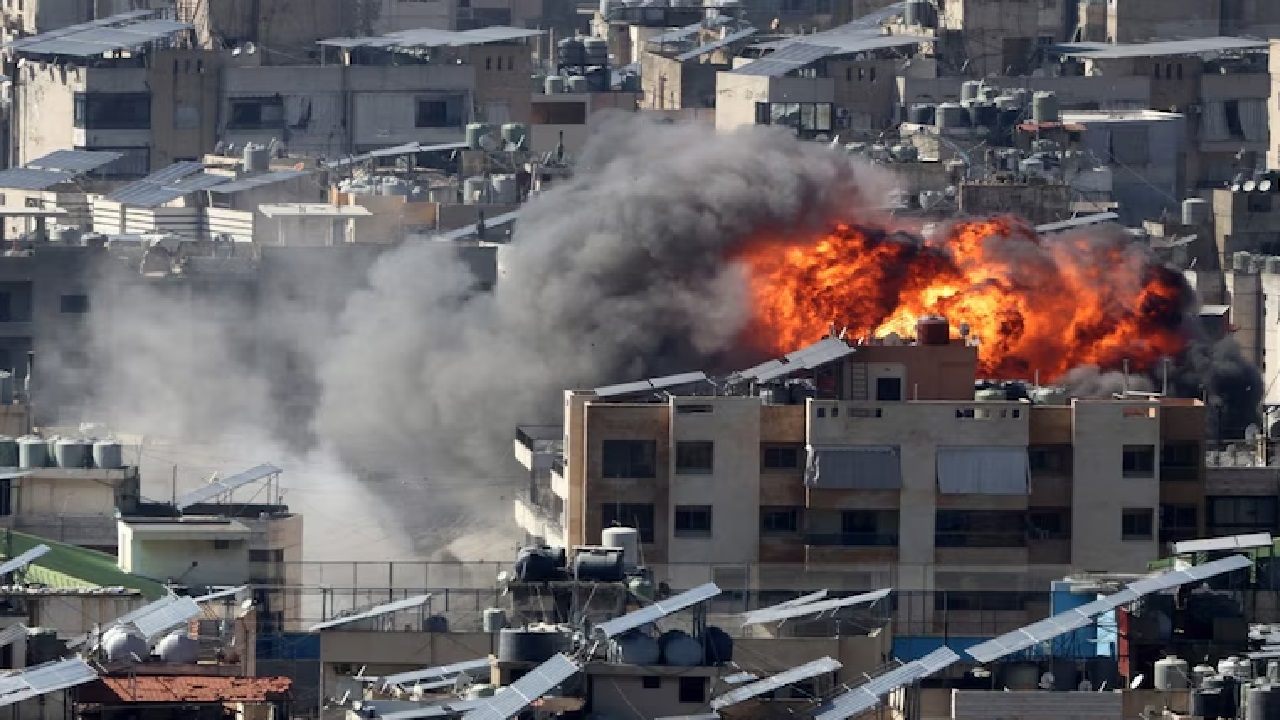
Late on Thursday, Kabul was jolted by a series of explosions, which Afghan sources attributed to Pakistani fighter jets. Local media reported that the raids targeted TTP chief Noor Wali Mehsud, one of Pakistan’s most wanted militants, near Shahid Abdul Haq Square. Mehsud, who assumed control of the TTP in 2018, has been blamed for a string of deadly attacks on Pakistani security forces.
Hours after reports of his death circulated across Pakistani outlets, an audio message surfaced from Mehsud himself, denying the rumors and confirming he was alive. “I am safe,” he claimed, dismissing speculation about his disappearance.
The ai raids came just days after a TTP ambush near the Afghan border left 11 Pakistani soldiers dead, including two senior officers. For Islamabad, the latest attacks represent both retribution and frustration—its attempt to rein in a group that it once tacitly nurtured but now deems its most potent domestic threat.
Warnings from Islamabad: “Enough Is Enough”
The strikes followed a stern warning by Pakistan’s Defence Minister Khawaja Asif, who told Parliament that the country’s patience had “run out.” He accused the Afghan Taliban of allowing militants to operate freely from Afghan soil. “Enough is enough,” Asif declared, blaming Kabul for Pakistan’s mounting security woes.
In a subsequent post on X, Asif lamented that “daily funerals of military personnel” were the cost of hosting millions of Afghan refugees for decades. “The time has come for Afghan guests to return home and end this cycle of terror and bloodshed,” he added. His remarks revealed Islamabad’s growing resentment toward the very group it once viewed as a strategic partner.
Former U.S. envoy Zalmay Khalilzad described the airstrikes as a “huge escalation,” warning that both sides were playing a dangerous game. He urged dialogue, noting that “the Pakistanis have been recklessly backing ISIS operatives,” while “the Afghans have been permissive toward the TTP”—a recipe for spiralling instability in the region.
Muttaqi’s India Visit: A Diplomatic Reset in the Making
While Pakistan’s jets roared over Kabul, Amir Khan Muttaqi was in India on a six-day diplomatic mission—his first since the Taliban’s return to power in August 2021. During the visit, he was scheduled to meet External Affairs Minister S. Jaishankar and National Security Adviser Ajit Doval. These are the highest-level engagements between the two sides since the Taliban takeover, signaling a cautious recalibration in India-Afghanistan relations.
The trip also follows the Taliban’s condemnation of the recent Pahalgam terror attack, a gesture New Delhi viewed as a significant confidence-building move. Combined with the Taliban’s deteriorating ties with Pakistan, the visit has opened a narrow window for India to re-engage Kabul—particularly through humanitarian assistance and infrastructure support.
For Islamabad, however, the optics were unsettling. Analysts suggest the airstrikes served a dual purpose—to retaliate against the TTP and to remind both Kabul and New Delhi of Pakistan’s continuing regional muscle.
A Dangerous Convergence of Diplomacy and Force
The simultaneous unfolding of Kabul’s airstrikes and Muttaqi’s India visit encapsulates the tension that defines South Asian geopolitics—where diplomacy and aggression often move in parallel. Pakistan’s decision to strike Afghan territory at such a sensitive moment may have been meant to project strength, but it also exposes deep insecurity about losing influence over the Taliban government.
For Afghanistan, caught between competing regional powers, the challenge remains to assert sovereignty without becoming a proxy battlefield once more. India’s cautious re-entry into Kabul’s diplomatic orbit could reshape the regional equation—but only if peace, rather than posturing, becomes the driving force.
In a region haunted by cycles of mistrust, the road to stability runs not through airstrikes, but through sustained dialogue—a lesson that all parties, sooner or later, may be forced to relearn.
(With agency inputs)