Setting Sail for Growth: Paradip Port’s Big Leap
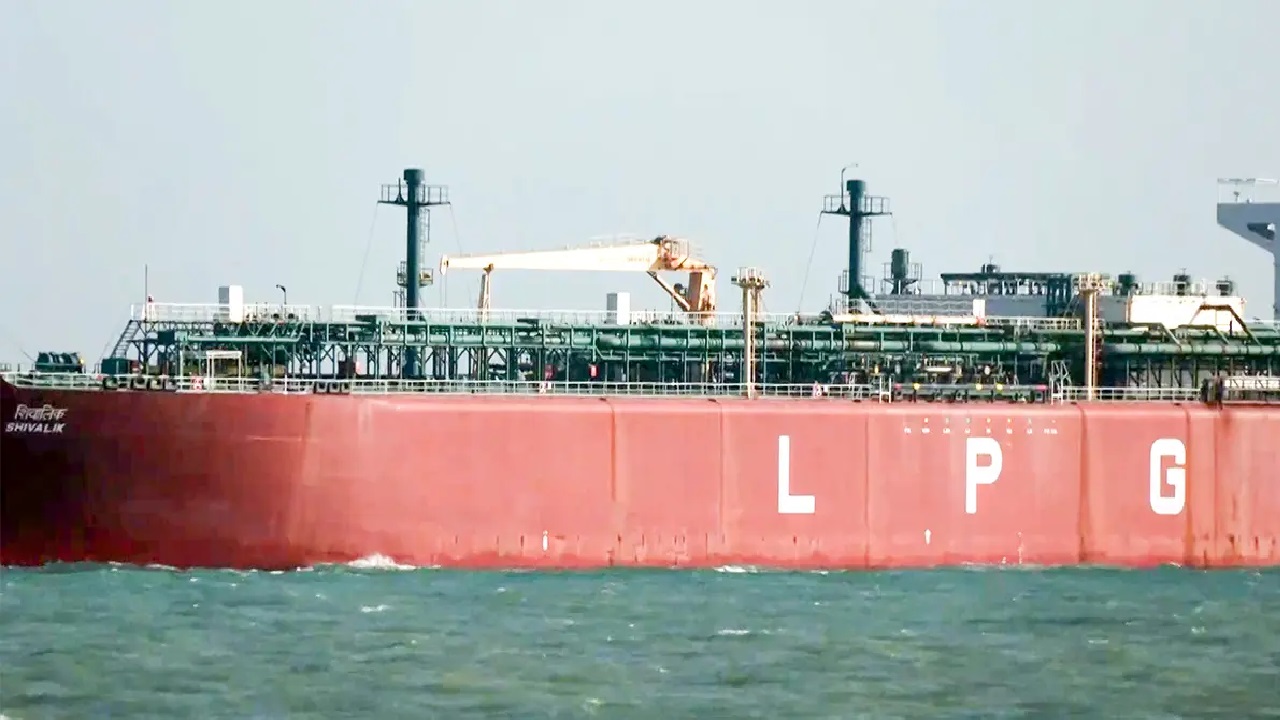
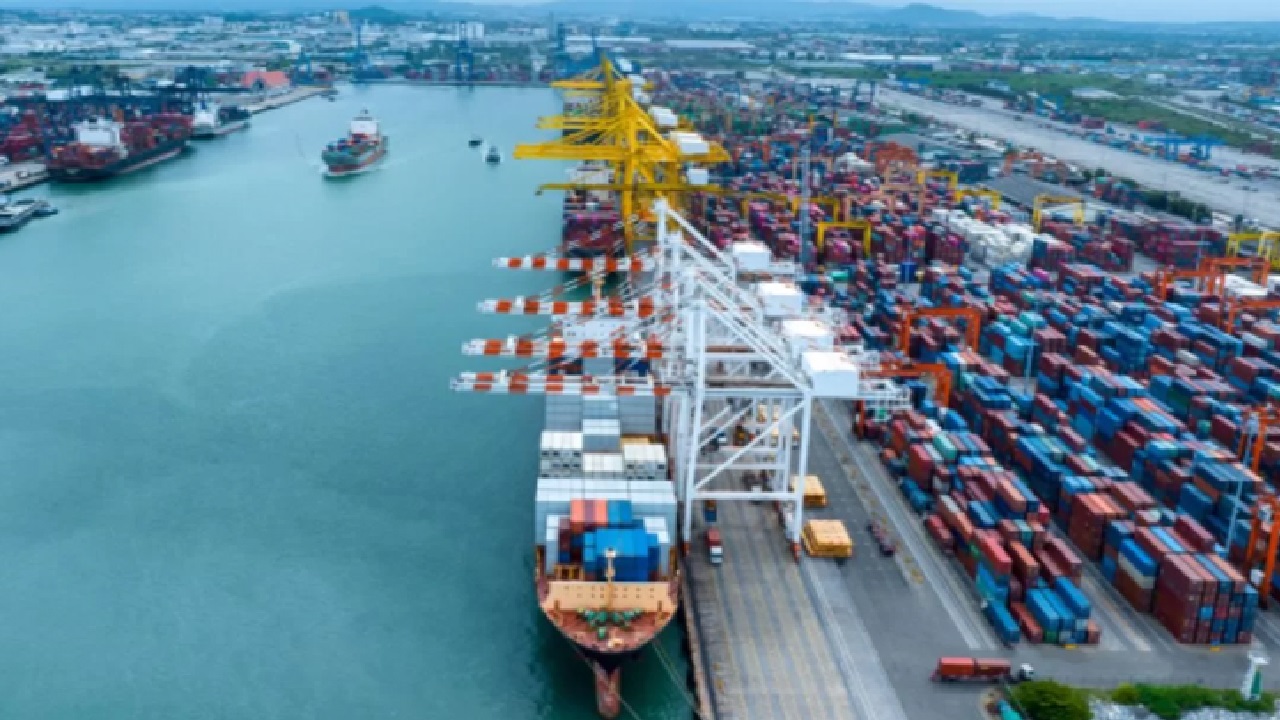
In a defining stride for India’s maritime future, Paradip Port in Odisha is preparing to seal investment agreements worth an estimated ₹1.5 lakh crore during India Maritime Week (IMW) 2025, to be held in Mumbai from October 27 to 31. Officials confirmed that these pacts will span across critical sectors including shipbuilding, port modernization, green hydrogen production, and smart port initiatives—marking one of the largest investment pushes in the port’s history.
The development comes just days after Tata Steel and other major industrial players urged the Union Ministry of Ports, Shipping and Waterways to accelerate state-facilitated collaborations, underscoring Paradip’s growing strategic importance. The port’s upcoming participation at IMW represents not just an investment milestone but a vision of transforming India’s eastern coastline into a global maritime powerhouse.
India Maritime Week: A Global Convergence of Sea Power
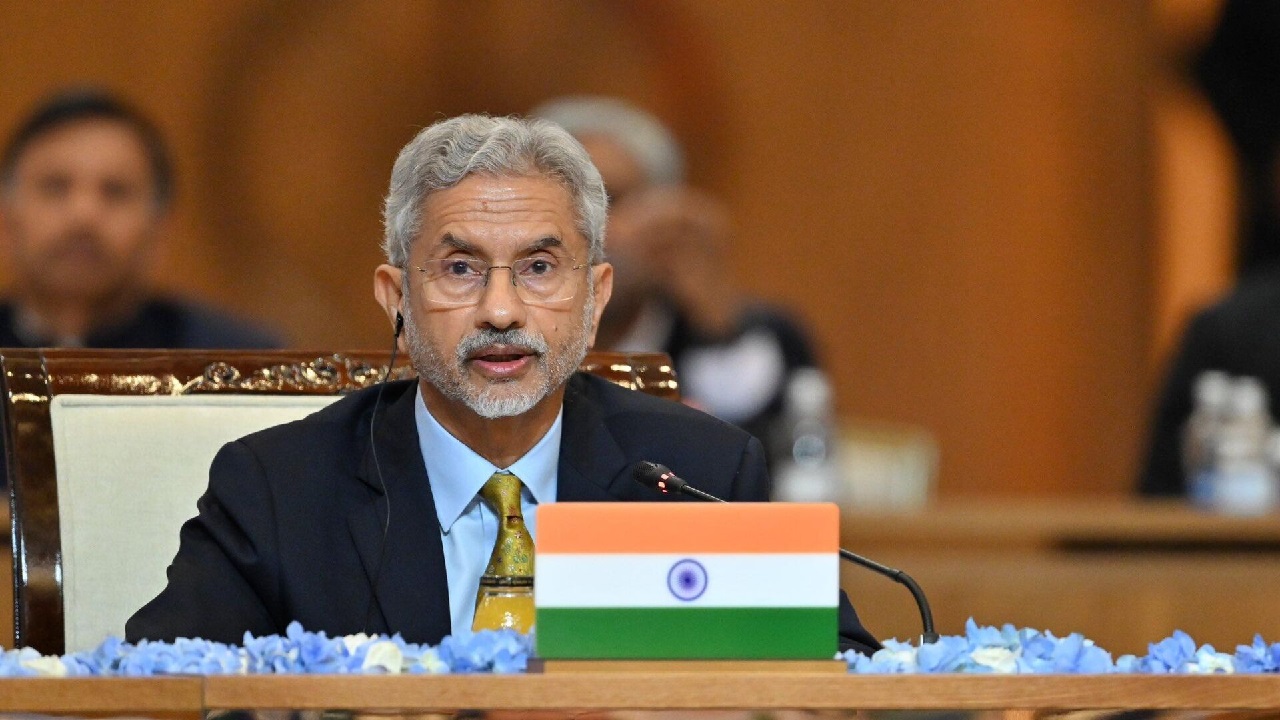
Hosted by the Ministry of Ports, Shipping and Waterways (MoPSW) and organized by the Indian Ports Association (IPA), India Maritime Week is the world’s largest gathering of maritime stakeholders. The 2025 edition will convene delegates from over 100 nations, 200 global experts, and 500 leading companies representing the full spectrum of maritime industries.
The event’s theme, “Financing the Future of Maritime India,” aligns with long-term goals under Maritime India Vision 2030 and Maritime Amrit Kaal Vision 2047—both aimed at positioning India as a global leader in sustainable ocean trade. The weeklong conclave will feature high-level ministerial sessions, investment forums, and technology showcases designed to unlock over ₹10 lakh crore (USD 82 billion) in potential opportunities across shipping, logistics, inland waterways, and clean energy.
Paradip’s Green Hydrogen Push and Port Modernization Drive
Paradip’s emergence as a Green Hydrogen Hub has added new momentum to its modernization roadmap. It now stands alongside Tuticorin and Kandla as one of the three Indian ports designated for developing green fuel infrastructure, a step expected to attract major global investors in renewable energy and sustainability-driven projects.
The Paradip Port Authority is also prioritizing ship repair facilities, modernization of cargo handling systems, and the development of a digital “smart port” ecosystem to streamline logistics. These initiatives will not only reduce carbon emissions but also reinforce India’s maritime competitiveness amid shifting global trade dynamics.
Odisha’s Expanding Maritime Vision
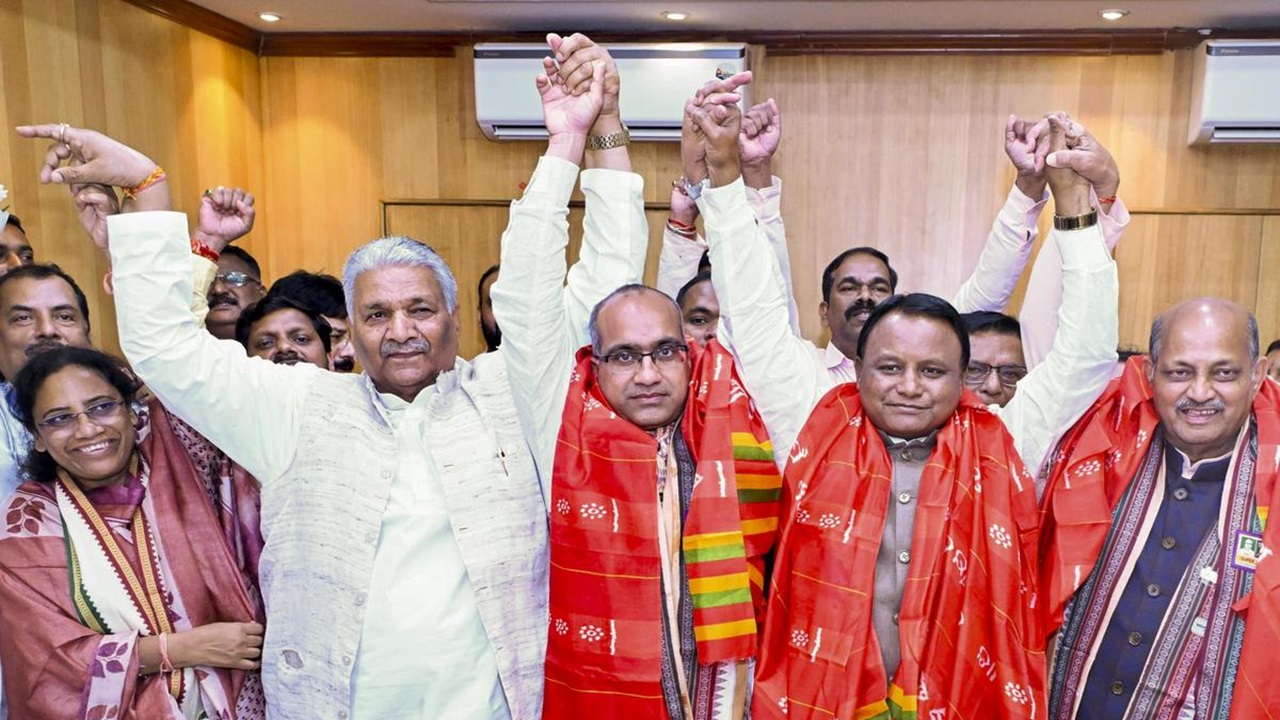
The Odisha government will host a dedicated session during IMW to highlight the state’s maritime ambitions. The state has already signed MoUs with the Paradip Port Authority for projects such as the Bahuda port development and a shipbuilding center in Kendrapara, both expected to boost regional employment and industrial activity.
Another significant highlight will be the signing of an MoU for a cruise terminal in Puri, envisioned as a catalyst for maritime tourism. The project’s first phase focuses on Puri, with expansion plans linking the cruise circuit to Paradip within three years, further integrating Odisha’s coastline into India’s tourism and trade ecosystem.
Public Engagement and Maritime Awareness
To build public enthusiasm and awareness, Paradip Port has launched a series of outreach programs ahead of IMW. From sand art displays on Paradip Beach to social media campaigns and podcast storytelling, the initiatives seek to connect citizens to the evolving maritime narrative of India’s east coast.
These campaigns mirror the collaborative intent between the Ministry of Ports, Shipping and Waterways, the Odisha government, and Paradip Port Authority—to merge economic growth with cultural identity and environmental stewardship.
Steering India Toward a Maritime Future
Paradip Port’s massive investment plan at India Maritime Week is more than a commercial milestone—it is a symbol of India’s maritime resurgence. As the port gears up to sign deals across energy, technology, and infrastructure, it stands as a model for sustainable development, regional inclusion, and strategic foresight.
If effectively executed, these partnerships could transform Paradip into the eastern anchor of India’s maritime corridor, powering not just Odisha’s economy but strengthening the nation’s global standing as a maritime leader steering toward a cleaner, connected, and prosperous ocean economy.
(With agency inputs)