Parva-2025: Culture as the Gateway to Change
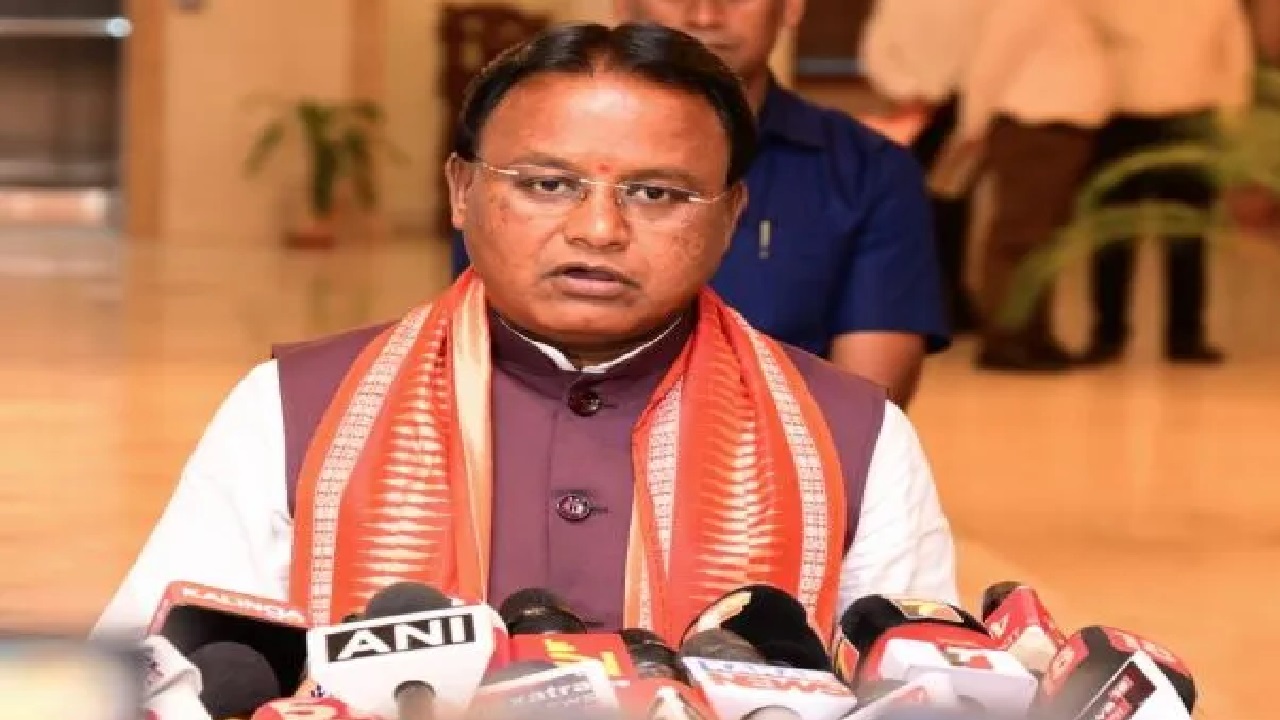
Parva-2025 unfolded in Koraput not merely as a celebration, but as a statement of intent. Against the scenic foothills of Sunabeda, the four-day festival once again brought together tribal communities, artists, administrators, and policymakers. Chief Minister Mohan Charan Majhi’s presence at the concluding day signalled how Odisha is increasingly using cultural platforms as entry points for deeper governance and development interventions in its tribal heartland.
Where Celebration Meets Governance
Koraput, one of India’s most socio-economically challenged districts, occupies a unique place in Odisha’s development narrative. With over 60 per cent tribal population and a long history of poverty, migration, and Left-Wing Extremism, the region has often remained on the margins of growth. Parva—meaning “festival” in Odia—has, since its inception in 1996, evolved into a nationally recognised cultural event that safeguards the heritage of 13 indigenous tribes. In 2025, it also became the stage for a major governance announcement: the launch of development projects worth Rs 545 crore by CM Majhi.
The Development Blueprint: What Was Launched
The Chief Minister inaugurated 86 projects spanning critical sectors such as connectivity, education, health, irrigation, and livelihoods. Roads covering nearly 200 kilometres were sanctioned under the Mukhyamantri Sadak Yojana to improve access to remote villages. Social infrastructure received a major boost with new schools, tribal hostels, and healthcare facilities aimed at reducing dropout rates and improving last-mile service delivery.
Flagship projects included a Rs 100-crore expansion of the Koraput airport to integrate the district with regional economic hubs, Rs 50 crore earmarked for tribal residential facilities, and Rs 75 crore for eco-tourism circuits connecting Jeypore, Sunabeda, and interior tribal belts. Irrigation projects covering 5,000 hectares aim to stabilise farm incomes in a climate-sensitive region. Together, these initiatives fall within the state’s 5T governance framework—Transparency, Technology, Teamwork, Time, and Transformation.
Implementation and Impact: Reading Beyond the Announcements
Implementation in Koraput has historically been the real challenge. The current push attempts to address this by linking infrastructure creation with livelihood outcomes. Improved roads and airport connectivity are expected to reduce distress migration, which currently affects nearly three lakh residents annually. Health and education investments target human capital gaps that perpetuate intergenerational poverty.
There are also security and governance implications. Enhanced state presence through development has coincided with over 500 Maoist surrenders since 2024 and faster settlement of Forest Rights Act claims, now covering nearly 80 per cent of applicants. Economically, the projects are projected to add nearly Rs 1,000 crore to the district’s GDP through agro-processing, tourism, and mineral-linked activities, while promoting GI-tagged tribal products via digital marketplaces.
Strategic Significance: Politics, Identity, and Inclusion
Majhi’s Koraput push also carries political and symbolic weight. As Odisha observes Janjatiya Gaurav initiatives celebrating icons like Birsa Munda, Parva aligns cultural pride with material progress. The BJP’s strong tribal outreach post-2024 elections has further sharpened focus on districts like Koraput as models of inclusive governance.
From Margins to the Mainstream
Parva-2025 demonstrates how cultural assertion and development delivery can reinforce each other. While challenges remain—climate vulnerability, land alienation, and residual insurgency—the Rs 545-crore project rollout marks a decisive shift from episodic welfare to structural transformation. If implementation keeps pace with intent, Koraput could well transition from a symbol of deprivation to a blueprint for tribal-led development in India.
(With agency inputs)