



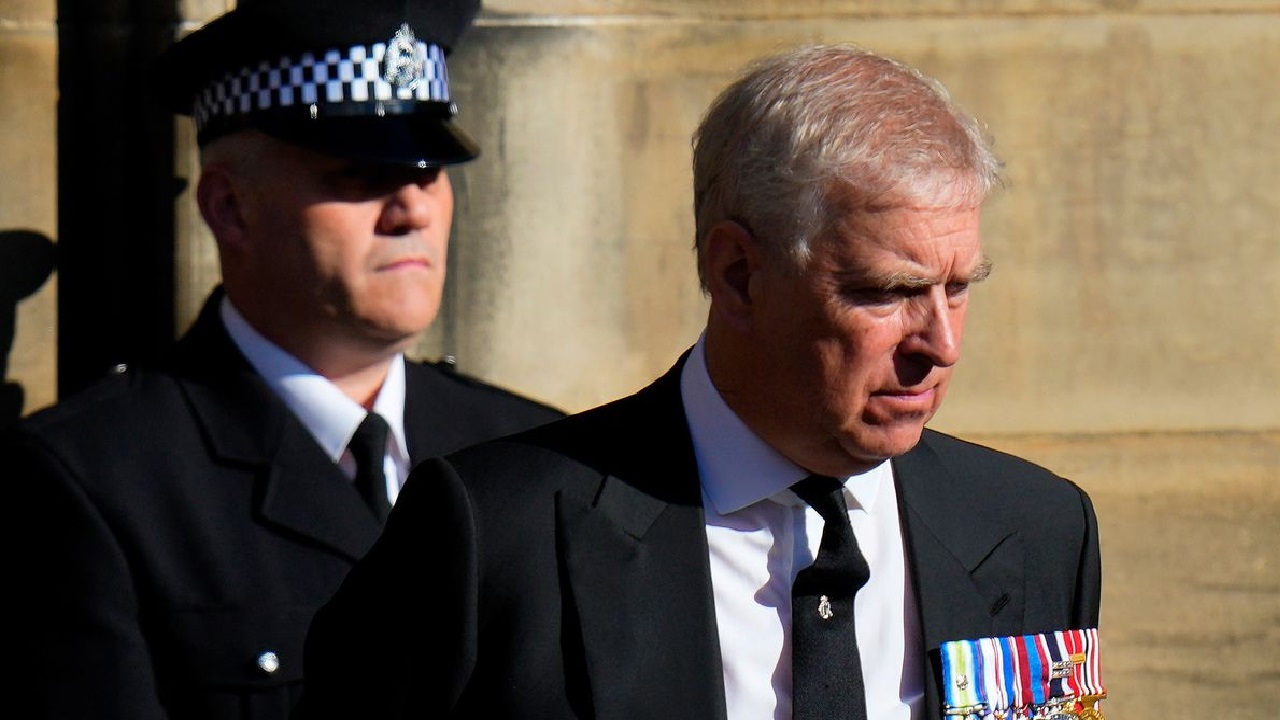
Former Royal Detained as Epstein Files Shake Establishment
Former British royal Prince Andrew was arrested this week by Thames Valley Police, marking one of the most dramatic developments yet in the long-running fallout from the Jeffrey Epstein scandal. The arrest follows the unsealing of millions of pages of documents by the U.S. Department of Justice in February 2026, which revived scrutiny of powerful figures allegedly linked to Epstein’s sex-trafficking network.
Authorities detained Andrew at a royal estate on suspicion of misconduct in public office tied to past communications with Epstein. The move has triggered intense political, legal, and reputational consequences for the British monarchy and the wider network of elites named in the newly released files.
The Epstein Controversy: A Decade-Long Shadow
The Epstein case has haunted global politics and high society for years. The financier was arrested in 2019 on federal sex-trafficking charges and died in custody shortly thereafter, leaving many questions unresolved. Over time, court filings and testimonies have revealed connections between Epstein and a network of influential figures across business, politics, and royalty.
The latest release of roughly three million pages of documents—ranging from emails and flight logs to victim testimonies—has reignited public debate. Among the names resurfacing in the files are former U.S. President Bill Clinton, British politician Peter Mandelson, and Prince Andrew. While the documents do not uniformly establish criminal liability, they have intensified calls for transparency and accountability from institutions previously shielded by status and influence.
Details of Andrew’s Arrest and Investigation
Police say the arrest stems from allegations that Andrew, while serving as a trade envoy in 2010, shared confidential government information with Epstein after the financier’s earlier conviction. Investigators are examining whether such communications breached public-office obligations or national-security laws.
The royal household, represented by Buckingham Palace, has declined detailed comment, while King Charles III is reported to have distanced the monarchy from the controversy. Andrew had already stepped back from official duties in recent years, but the arrest marks an unprecedented escalation from reputational damage to potential criminal proceedings.
Legal and Political Fallout
If charges are pursued, Andrew could face serious penalties under UK law for misconduct in public office or breaches of confidentiality statutes. However, legal complexities remain: Epstein’s death limits direct testimony, and much of the evidence relates to events more than a decade old.
The case has also revived transatlantic scrutiny. Because many documents originated in U.S. investigations, cooperation between British and American authorities could shape the trajectory of any prosecution. Meanwhile, advocacy groups argue the probe reflects a broader reckoning with elite impunity in cases of exploitation and trafficking.
Impact on the Monarchy and Public Trust
The arrest has intensified debate about the future of the British monarchy. Public-opinion surveys already show rising support for republican sentiment, and the latest developments risk further eroding confidence in royal institutions. Senior royals have emphasised institutional reform and distance from controversy, but the scandal underscores the reputational vulnerability of hereditary institutions in an era of heightened accountability.
Accountability in the Epstein Aftermath
Prince Andrew’s arrest represents a pivotal moment in the enduring Epstein saga. More than a personal legal crisis, it highlights the broader consequences of unresolved allegations involving powerful figures. The unsealed files have reopened questions about transparency, privilege, and justice, reinforcing demands that status should not shield individuals from scrutiny.
As investigations continue, the case will test the resilience of institutions—from law enforcement to the monarchy—under public and legal pressure. Whether it leads to convictions or further controversy, the renewed spotlight on Epstein’s network signals that the pursuit of accountability remains unfinished, and that even long-closed chapters can resurface with profound political and societal impact.
(With agency inputs)