


A Shocking Act of Violence in Broad Daylight
A harrowing incident in Odisha’s Puri district has sent shockwaves across the state and country. On a quiet Saturday morning, a 15-year-old girl, a Plus II student, was brutally attacked and set on fire by three unidentified assailants in Bayabara village under Balanga police station. The attack, which took place in broad daylight while the girl was walking to her friend’s house, has left her battling for her life with severe burn injuries and ignited a political and social storm over women’s safety in the region.
Critical Condition and Ongoing Medical Care
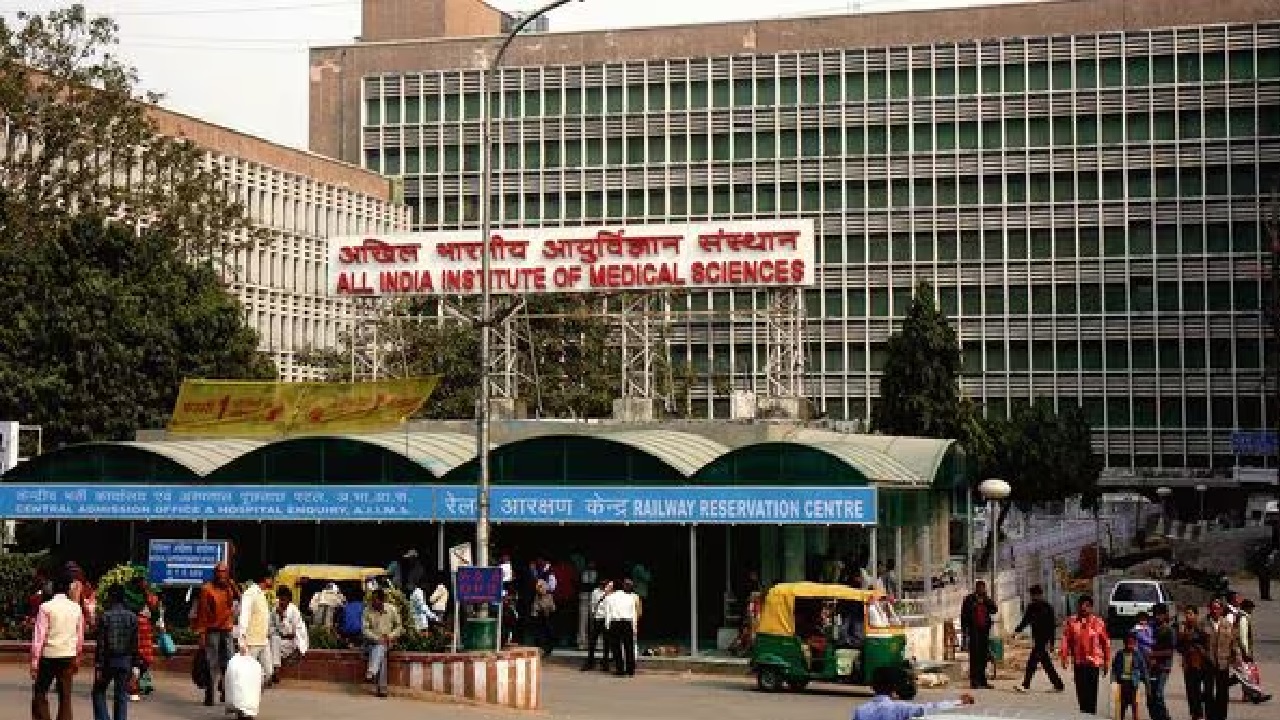
The victim was initially rushed to Pipili Hospital by local residents who responded to her desperate cries for help. Given the extent of her injuries—approximately 70% Total Body Surface Area (TBSA) burns—she was soon shifted to the All-India Institute of Medical Sciences (AIIMS) in Bhubaneswar. Doctors at AIIMS confirmed that her condition was critical upon arrival and that she has since been moved to the Burn Centre for intensive treatment and care.
Hospital authorities have described her situation as extremely fragile, with medical teams working around the clock to stabilize her. AIIMS sources also indicated that specialized burn protocols and infection prevention measures are being followed strictly due to the high-risk nature of her injuries.
Eyewitness Accounts: A Scene of Horror
Eyewitnesses recall the horrific scene unfolding in moments. According to locals, the girl was intercepted by three bike-borne youths who doused her with a flammable liquid and set her on fire before fleeing. The attackers vanished before they could be apprehended. Local residents acted swiftly, dousing the flames and rushing her for medical aid, possibly saving her life.
Police Investigation Underway
Odisha Director General of Police (DGP) Yogesh Bahadur Khurania called the incident “unfortunate” and has assured the public that justice will be delivered swiftly. “Our teams are working on the case, and I am confident the accused will be arrested soon,” he said, adding that strict legal action will follow.
The Puri Superintendent of Police has already visited the scene, and forensic teams have been deployed to gather evidence. Authorities are examining CCTV footage, eyewitness reports, and call records to track the perpetrators.
Political Outcry and Public Anguish
The incident has triggered strong reactions from across the political spectrum. Former Odisha Chief Minister and BJD leader Naveen Patnaik took to social media platform X (formerly Twitter) to condemn the attack in the strongest terms. Calling it a “horrible act,” Patnaik expressed his anguish and pointed to a deeper, systemic failure in governance.
He highlighted similar recent incidents, including the self-immolation of a girl in FM College and another violent act in Gopalpur, as evidence that Odisha is becoming increasingly unsafe for women. “These are not stray cases… These incidents point to a deep systemic failure of governance,” Patnaik posted, calling on the state government to wake from its “deep slumber” and take firm action to prevent such atrocities.
The Larger Issue: Women’s Safety in Odisha
The brutal attack in Puri is just one in a string of violent crimes against women reported across Odisha in recent months. Civil society groups and opposition leaders argue that criminals have grown emboldened by a weak law enforcement response and systemic gaps in ensuring justice and protection for women.
Critics contend that the frequency and boldness of such attacks reflect a disturbing normalisation of gender-based violence in the state. Women’s rights activists have demanded swift arrests, fast-track trials, and better protection mechanisms, including the deployment of women safety patrols in rural areas and educational institutions.
A Wake-Up Call for the State
The tragedy in Puri is a grim reminder of the growing threats women face even in public spaces. While the victim fights for her life in a hospital bed, the incident has reignited a pressing national conversation on the urgent need for systemic reforms, prompt justice, and stronger safeguards for women.
Justice must not only be served in this case, but mechanisms must be put in place to ensure such crimes are deterred in the future. The safety and dignity of women cannot remain an afterthought—it must be at the core of governance.
(With agency inputs)