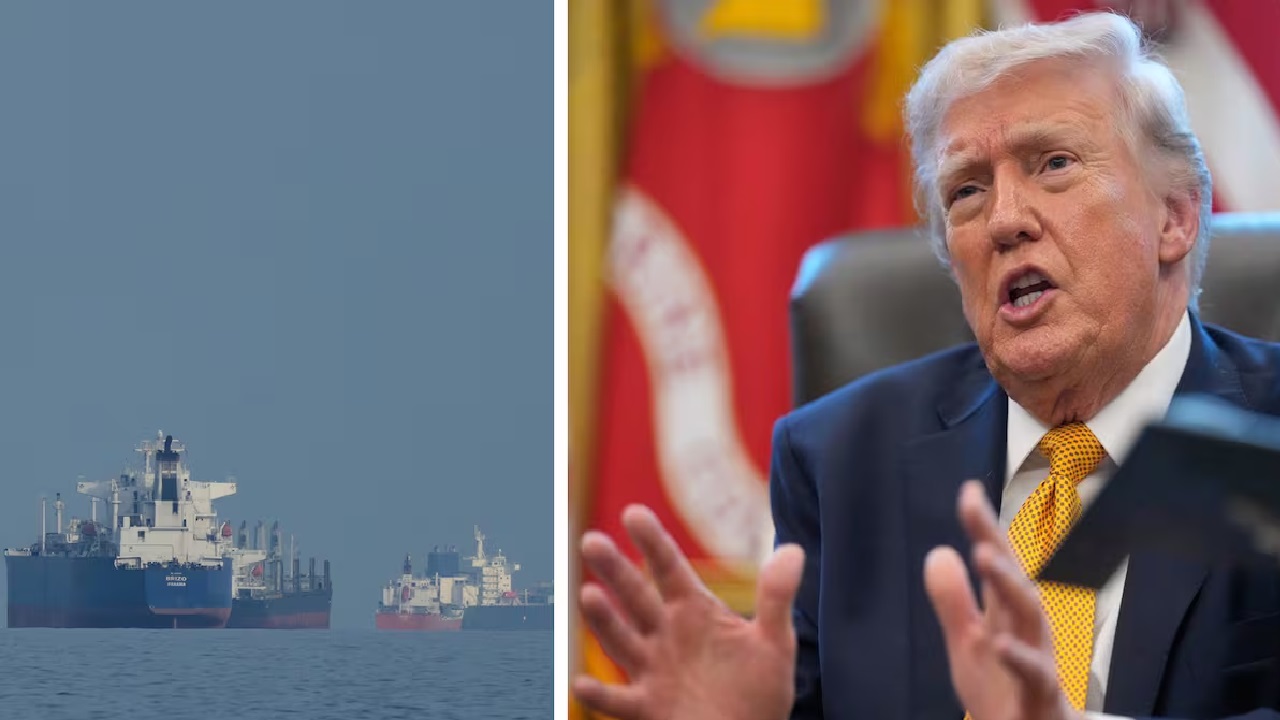
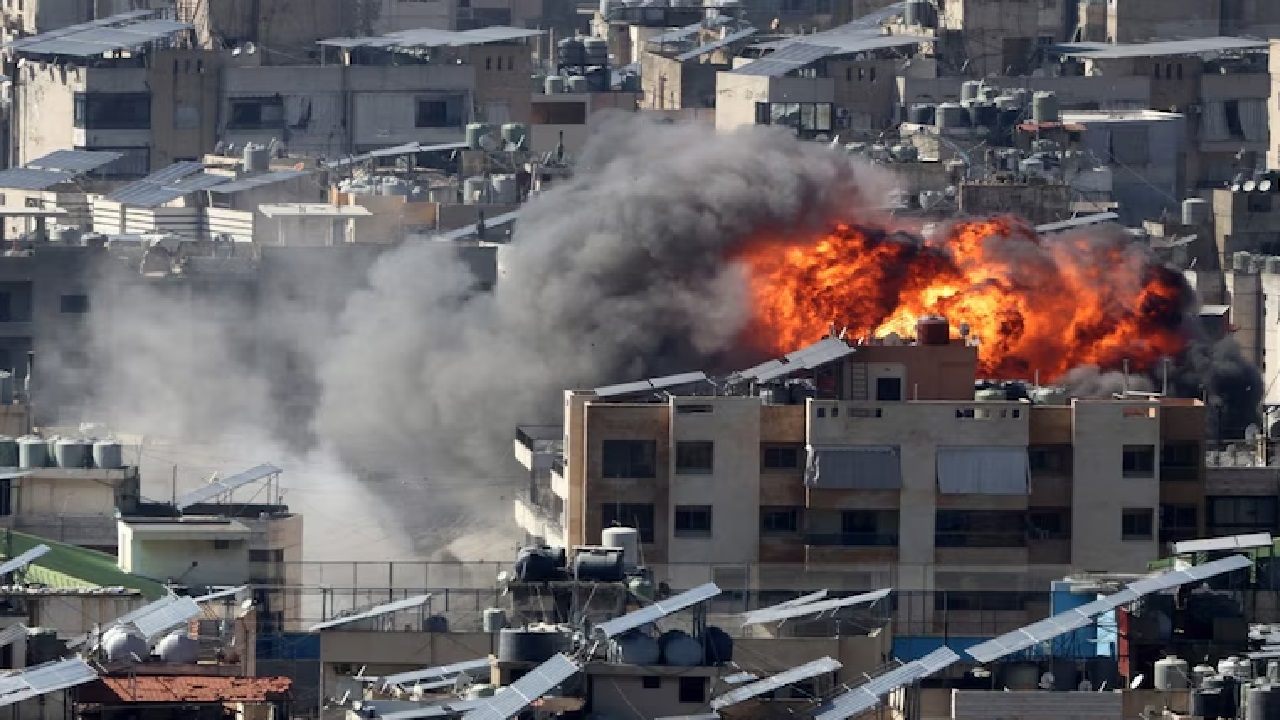
War Casts Shadow Over Russian Tradition
The ongoing war between Russia and Ukraine has once again hit home—this time, by disrupting one of Russia’s most symbolic national traditions. For the first time since its inception, the Navy Day parade in St. Petersburg was cancelled by President Vladimir Putin, marking a significant moment in the conflict. Celebrated on the last Sunday of July, Navy Day honors Russia’s maritime strength. But in 2025, the celebration was cut short—not due to diplomacy, but drones.
Ukraine’s increasing capability to strike deep inside Russian territory has changed the tone and tempo of the war. From attacking air bases and energy facilities to targeting Russia’s symbolic events, Ukrainian drones are now redefining Moscow’s sense of security.
Security Concerns Trigger Parade Cancellation
Citing “security grounds,” the Kremlin called off all planned Navy Day parades across Russia—including the grand spectacle typically held in St. Petersburg, Putin’s hometown. Similar events in Kaliningrad and Vladivostok were also scrapped. The decision follows escalating Ukrainian drone strikes, with recent attacks reaching as far as St. Petersburg itself.
In a toned-down ceremony, Putin instead marked the day by visiting the naval headquarters and reviewing the massive “July Storm” naval exercises involving over 150 warships and 15,000 personnel spanning the Baltic, Pacific, Arctic, and Caspian regions. While Putin attempted to project strength by boarding the Admiral Grigorovich frigate, even that moment was shadowed by a real-time Ukrainian drone attack in the vicinity.
Ukraine’s Drone Strategy: Tactical and Symbolic Wins
Ukraine’s drone warfare strategy has evolved rapidly, becoming a key asset in targeting Russian military, logistical, and symbolic infrastructures. In June, Ukraine destroyed nearly a third of Russia’s long-range bombers and reconnaissance aircraft. It has also repeatedly targeted weapons manufacturing hubs, energy plants, and storage sites—shaking the core of Russia’s military-industrial complex.
On the very day of the cancelled parade, over 10 Ukrainian drones were intercepted over the Leningrad region, with debris injuring a civilian and briefly shutting down St. Petersburg’s Pulkovo airport. The incident caused 57 flight delays and 22 diversions, a strong reminder that even Russia’s second-largest city is vulnerable.
Although Russian air defenses claimed to have downed 291 drones on Sunday—below May’s record of 524 before Victory Day—the psychological impact of these attacks is growing. They no longer represent isolated incidents but sustained pressure on Russian territory, military morale, and public events.
A Parade of Caution: Putin’s Recalibrated Messaging
Historically, Navy Day is not just about ships—it’s a showcase of Russian naval pride and Putin’s projection of power. The cancellation signals not only a security lapse but also a shift in how the Kremlin chooses to present resilience.
“Today we are marking this holiday in a working setting, we are inspecting the combat readiness of the fleet,” Putin said in a subdued address. His statement, though aimed at deflection, underscores a deeper reality: Russia is being forced to adapt its domestic optics in the face of ongoing military vulnerabilities.
The fact that even Putin’s own flight was delayed due to drone threats adds a personal dimension to the crisis. According to Kremlin reporters, Dmitry Peskov’s flight from Moscow was delayed for two hours—an incident that would have been unthinkable at the start of the war.
A Battle That Has Reached Russian Soil
The cancellation of the Navy Day parade is more than a logistical decision—it’s a symbol of how the battlefield has expanded, with Ukraine now challenging Russia’s sense of invincibility within its own borders. The use of drones, both strategic and symbolic, has tilted the psychological war in Ukraine’s favor.
Looking ahead, the war appears poised to escalate in unconventional ways. Russia may increase its investment in air defense systems, restrict public gatherings around military events, and further limit media transparency. For Ukraine, the drone strategy will likely continue as a low-cost, high-impact method to destabilize Russian control and disrupt propaganda narratives.
As both nations brace for a prolonged conflict, the sky is becoming a more critical front line—and the future of such symbolic events may remain in question.
(With agency inputs)