

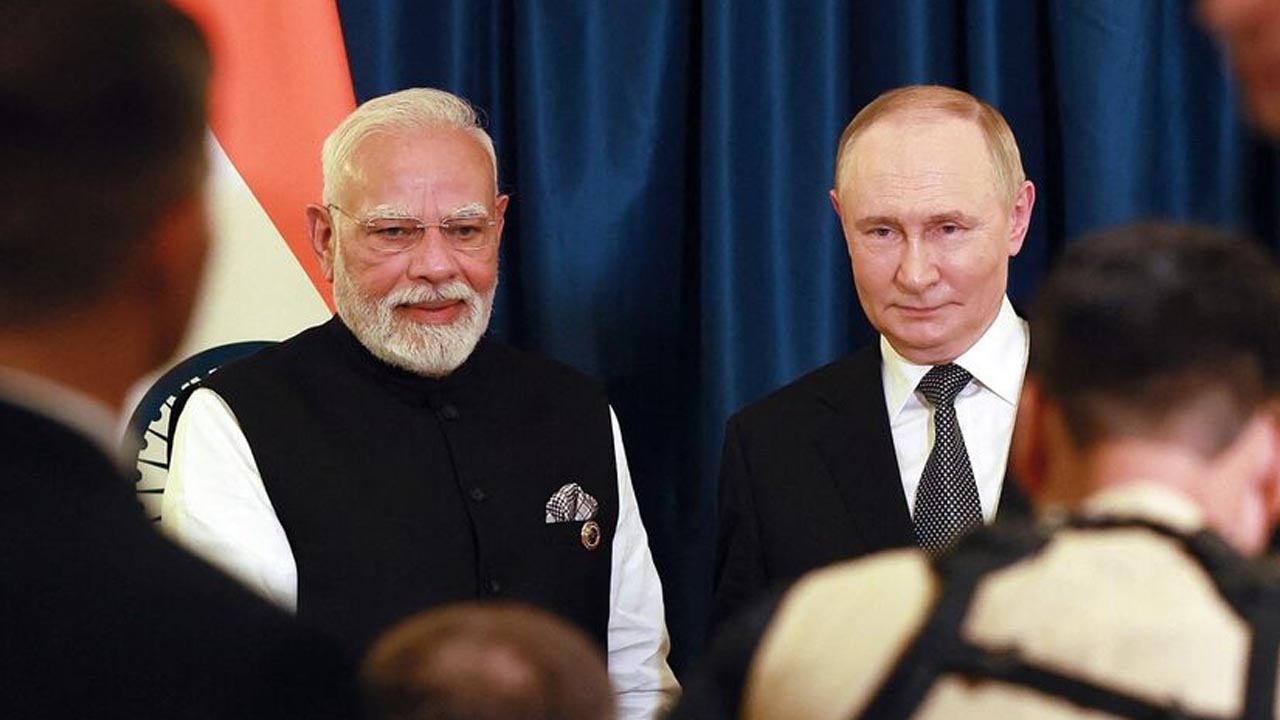
A Ride That Stole the Spotlight
At the recently concluded Shanghai Cooperation Organisation (SCO) summit in Tianjin, China, a seemingly routine car ride between Prime Minister Narendra Modi and Russian President Vladimir Putin drew global attention. What began as a short commute in Putin’s Russian-made Aurus limousine stretched into a 45-minute confidential discussion, highlighting the depth and significance of their relationship. The unusual venue of this conversation has not only intrigued observers but also underlined the trust and candor both leaders share.
Inside the Limousine: Putin Reveals
In a press briefing later, President Putin disclosed that he briefed Modi on his brief interaction with U.S. President Donald Trump in Alaska. “This is no secret, I told him (Modi) what we talked about in Alaska,” Putin remarked, admitting the exchange with Trump was limited to pleasantries. With a hint of humor, he added that the two conversed in “broken English,” noting the brevity of his encounter with Trump.
Putin’s candid comments offered rare insight into what otherwise remained a private, high-stakes discussion. Analysts suggest that the Aurus limousine, known for its advanced security features and resistance to electronic surveillance, provided an ideal environment for leaders to talk freely on matters not meant for outside ears.
Modi’s Reflections on X
Prime Minister Modi also acknowledged the ride in a post on X, describing conversations with Putin as “always insightful.” His remarks, though brief, highlighted the sense of comfort and openness the two leaders shared during the unusual carpool. The Russian president, according to local media, even waited ten minutes for Modi before the journey began—another gesture reflecting the weight he attached to the meeting.
Beyond Formal Agendas: Why the Car Talk Matters
According to Russian broadcaster VestiFM, the leaders initially intended to continue discussions at their hotel venue. Yet upon arrival, they chose to remain inside the vehicle for an additional 45 minutes rather than interrupt the flow of conversation. Kremlin spokesperson Dmitry Peskov later explained that “home walls” of the limousine created the right environment, adding that the leaders were unwilling to disrupt an “important” dialogue.
The significance of this private session cannot be underestimated. With bilateral agendas packed—ranging from energy and defense ties to global security issues—the opportunity to speak candidly, away from entourages and press, carries special importance. Such one-on-one exchanges are often where the most sensitive subjects are broached, whether on strategic cooperation, regional conflicts, or future alignments in a shifting world order.
Implications for India–Russia Ties
Both leaders have long cultivated a relationship that goes beyond protocol. For India, Russia remains a critical partner in defense and energy sectors, while Moscow values New Delhi’s independent stance in global affairs, particularly amidst Western pressure over Ukraine. The Tianjin car ride, then, was not merely symbolic—it may have served as a platform to reaffirm mutual trust at a time of geopolitical flux.
A Journey That Meant More Than Miles
What began as a simple transfer from one SCO venue to another evolved into one of the most closely watched episodes of the summit. Modi and Putin’s choice to extend their discussion within the confines of a limousine suggests that sometimes, diplomacy thrives not in ornate conference halls but in private, secure spaces where candor flows freely.
While the exact details of their conversation remain undisclosed, its symbolism is unmistakable. It reaffirmed the resilience of the India–Russia relationship and showcased how two leaders can carve out moments of genuine dialogue amid packed schedules and global scrutiny. In an era where alliances are constantly tested, this unusual carpool may prove to be a small yet telling reminder of the value of trust and personal rapport in international politics.
(With agency inputs)