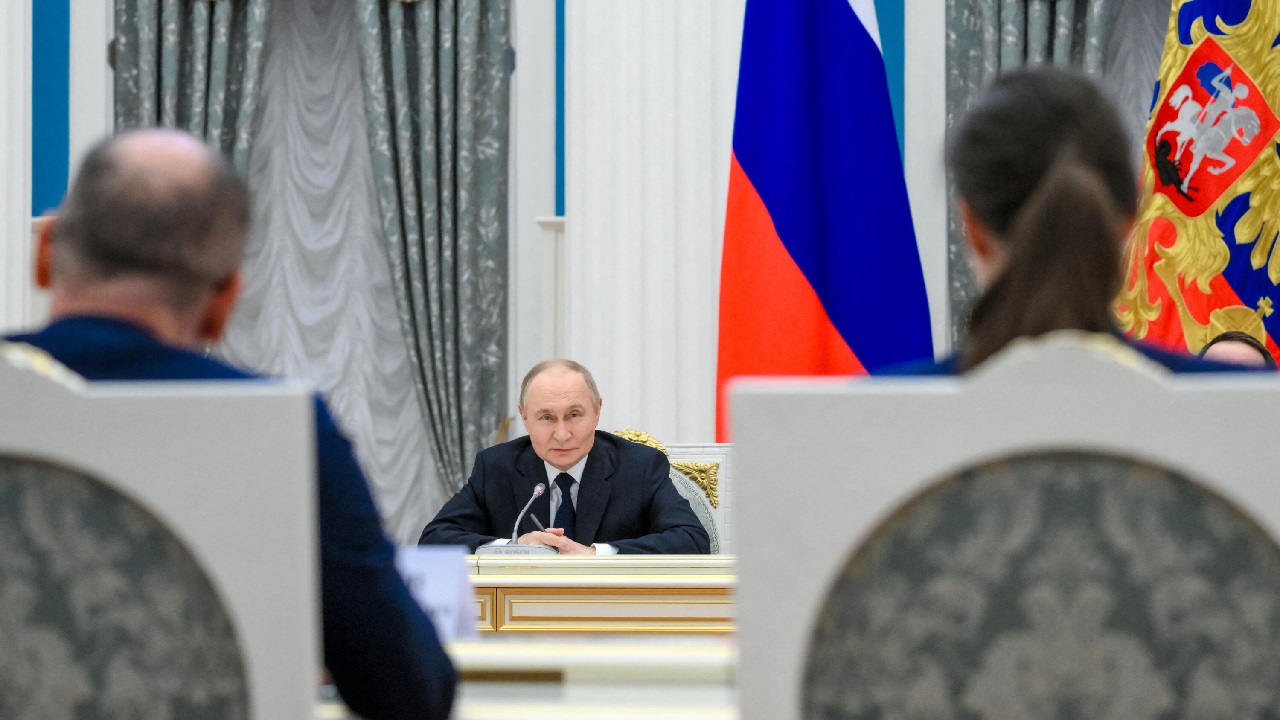
Putin Vows Retaliation After Ukraine Drone Attack
Russian President Vladimir Putin threatened a significant retaliation following a high-stakes Ukrainian drone strike on Russian airbases, which reportedly destroyed several nuclear-capable bombers. The escalation has triggered global alarm and renewed international dialogue, as tensions in the Russia-Ukraine war continue to boil over.
Putin conveyed his warning during a one-hour phone call with U.S. President Donald Trump. While Trump described the exchange as “good,” he admitted it was not one that would bring “immediate peace.” This incident marks one of the most aggressive counteroffensives by Ukraine in recent years, targeting strategic military assets deep within Russian territory.
The War So Far: Escalation and Endurance
The Russia-Ukraine war, now well into its third year, has evolved into a drawn-out conflict marked by shifting frontlines, devastating civilian losses, and global political repercussions. What began as a full-scale invasion by Russia in February 2022 has since transformed into a grinding war of attrition, with Ukraine adopting asymmetric tactics like drone warfare to compensate for its conventional military limitations.
Sunday’s drone attack dealt a significant blow to Russia’s military capacity, destroying several docked bombers reportedly capable of delivering nuclear payloads. The attack signals Ukraine’s increasing capability to strike deep into Russian territory, despite Moscow’s air defense systems and warnings.
In response, Putin has promised retaliation, suggesting that Kyiv’s latest moves are “acts of sabotage” aimed at escalating the conflict. While the Russian leader maintains he remains open to peace talks, he continues to hold Ukraine’s leadership responsible for undermining diplomatic efforts.
Global Reaction: Pressure, Warnings, and Posturing
Ukrainian President Volodymyr Zelenskyy responded firmly to Putin’s threats; warning allies that showing “weakness” would only embolden Moscow. “When he feels neither strength nor pressure, but weakness, he commits yet more crimes,” Zelenskyy posted online, urging NATO and Western governments to stand firm in support of Ukraine.
Meanwhile, North Korea entered the fray rhetorically, with its leader Kim Jong Un expressing “unconditional support” for Russia. During a meeting with top Russian official Sergei Shoigu, Kim pledged to back Moscow in its “sacred cause of justice.” This rare public alliance further complicates an already volatile geopolitical landscape, drawing battle lines that echo Cold War rivalries.
On the international stage, the United Nations has repeatedly attempted to broker a ceasefire through diplomatic channels, though with limited success. Previous resolutions have been blocked or watered down by veto powers within the Security Council, rendering the body largely ineffective in enforcing peace or sanctions strong enough to change Russia’s calculations.
Diplomatic Front: Trump and the Pope Step In
In addition to his call with Trump, Putin also spoke with Pope Leo, who reportedly emphasized the need for peace. According to the Kremlin, Putin reiterated his “interest in bringing about peace by political and diplomatic means,” while simultaneously accusing Kyiv of targeting civilian infrastructure.
Trump, who has positioned himself as a potential mediator since returning to office, has now held three calls with Putin since his re-election. While he has expressed hope for de-escalation, he acknowledged after the latest call that “Putin is not ready for immediate peace.” Trump has not yet publicly outlined a concrete peace plan, but his involvement adds a new layer to the diplomatic dynamics.
On the Brink or a Breakthrough?
The latest developments suggest the Russia-Ukraine conflict is entering a perilous new phase. Ukraine’s assertiveness on the battlefield—paired with international support—has strengthened its strategic posture. However, the cost is mounting, and with Russia vowing major retaliation, the potential for a broader and more destructive escalation looms large.
Despite diplomatic overtures from figures like Trump and the Pope, the war remains locked in a pattern of action and reaction. The global community faces a sobering truth: unless pressure mounts for meaningful negotiation, and unless actors on both sides move beyond symbolism and rhetoric, the war will continue to devastate lives and destabilize the region.
Peace remains elusive—but not impossible. The world must now decide whether to settle into prolonged conflict or push harder for a diplomatic resolution before the consequences become irreversibly catastrophic.
(With agency inputs)