
A Spark Before the Summit
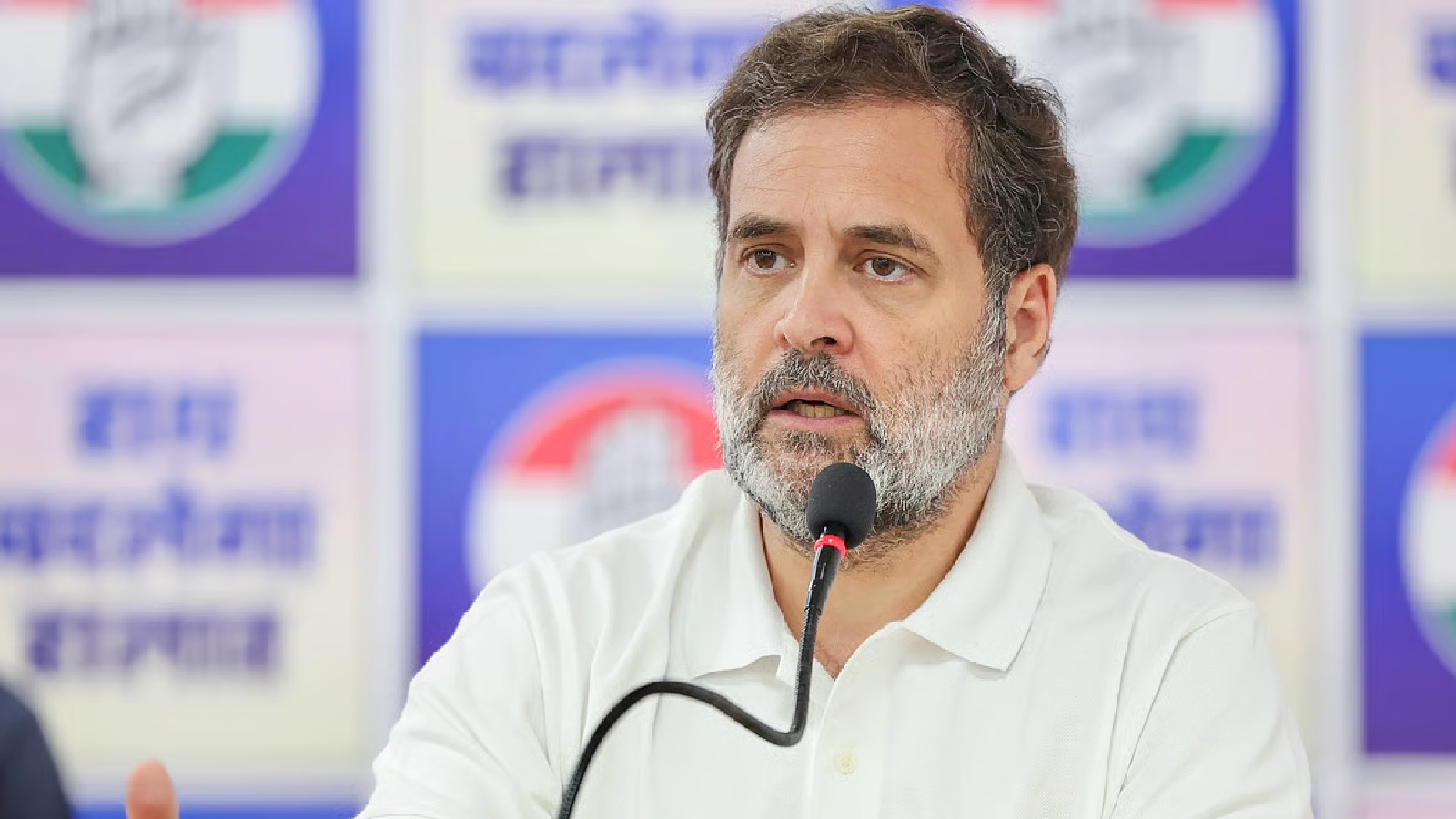
The controversy erupted just hours before Russian President Vladimir Putin’s December 4–5 visit to Delhi, when Rahul Gandhi accused the Modi government of blocking Opposition meetings with visiting foreign dignitaries. Speaking outside Parliament, Gandhi claimed that under previous governments—both Atal Bihari Vajpayee’s and Manmohan Singh’s—foreign leaders traditionally met the Leader of the Opposition (LoP) as part of diplomatic protocol. He alleged that the current administration discourages such interactions, “because of insecurity,” framing it as a break from bipartisan norms that diminishes India’s democratic image.
The Allegation in Context
Gandhi argued that meeting the LoP allows foreign leaders to gain a broader understanding of India’s perspectives on strategic issues, including bilateral ties, regional conflicts, and domestic politics. While there is no public record confirming that a meeting was requested or denied, Gandhi positioned the claim alongside the Russia visit, suggesting that even Putin was being steered away from Opposition engagement.
For the Modi government, controlling the optics of the India–Russia summit is paramount. The carefully curated agenda includes defence deals like S‑400 deliveries, mechanisms to shield trade from Western sanctions, and talks on a possible free-trade agreement with the Eurasian Economic Union. Allowing an LoP meeting could symbolically introduce dissenting voices on sensitive topics such as Ukraine, human rights, and governance, which the administration likely seeks to avoid in a high-profile bilateral visit.
Political Stakes of Gandhi’s Charge
Gandhi’s intervention serves multiple political purposes:
· Democratic Norms: By invoking the practices of Vajpayee and Singh governments, he frames the LoP meeting as an established bipartisan convention, portraying Modi as personalising foreign policy and side-lining institutional opposition.
· Insecurity Narrative: Presenting the government as fearful of alternative voices challenges the strong-leader image central to Modi’s political brand.
· Strategic Signaling: By asserting that the Opposition also represents India, Gandhi subtly signals to Moscow and other capitals that India’s policy line could shift under a future government, positioning himself as a credible interlocutor on foreign policy.
The government’s response has been limited to general statements that summit formats are “standard practice,” with officials privately noting that foreign leaders structure their own engagements and LoP interactions are not obligatory.
Comparisons to Past LoP Traditions
Historically, LoP meetings with foreign leaders were seen as a courtesy that reflected India’s commitment to a bipartisan approach in diplomacy. During Vajpayee and Singh tenures, visiting dignitaries occasionally met opposition leaders, providing broader insights and reinforcing India’s image as a democratic polity. Gandhi’s claim underscores the perception that such informal norms are fading, replaced by a highly centralised, leader-focused diplomatic model under Modi.
Implications and Conclusion
Substantively, excluding the LoP does not impact core outcomes like defence or trade deals. Symbolically, however, Gandhi’s public criticism internationalises a domestic debate, highlighting that India’s foreign policy is increasingly linked to the Prime Minister’s persona rather than institutional consensus.
For Russia, which prioritises a strong, consistent counterpart, the allegation is unlikely to alter engagement. Yet for Western observers, the episode reinforces perceptions of centralisation in India’s foreign policy and signals a politically sensitive environment for Opposition voices. In the lead-up to future electoral cycles, such controversies may both challenge the government’s image of inclusive diplomacy and bolster Gandhi’s positioning as an alternative national interlocutor.
(With agency inputs)