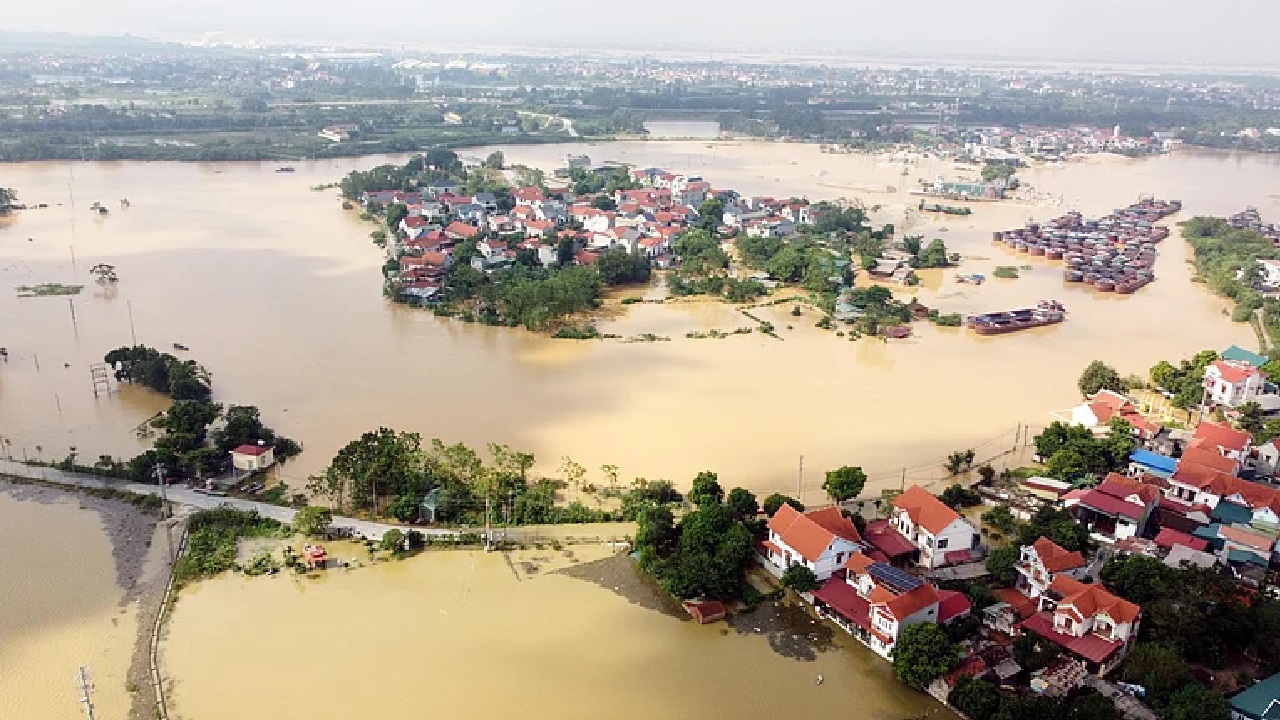
A Region Overwhelmed by Relentless Rain
Central Vietnam is reeling under the impact of three days of unyielding torrential rains that have triggered catastrophic flooding and deadly landslides. At least 41 people have lost their lives, and thousands have been uprooted as the region faces its worst natural disaster in recent years. Known for its thriving coffee plantations and bustling coastal tourism, this crucial economic corridor is now battling widespread destruction, power outages, and mounting humanitarian needs.
Scale of Destruction: Homes Submerged, Lives Uprooted
The intensity of rainfall—exceeding 150 centimetres (60 inches) in several districts—has inundated more than 52,000 homes and forced nearly 62,000 people to flee across six provinces, including Khanh Hoa, Dak Lak, Gia Lai, and Quang Ngai. Landslides have blocked key transportation routes, severing communities from emergency assistance and complicating already difficult relief operations.
Electricity infrastructure has taken a significant hit: nearly one million households remain without power. The absence of electricity not only hampers communication and coordination but also jeopardizes critical services such as medical care, water purification, and emergency shelter operations. With continuing rainfall projected, authorities warn that the situation may deteriorate further.
Rescue Efforts: Courage Amid Crisis
Rescue teams on the ground face formidable challenges. In hard-hit Gia Lai and Dak Lak, responders have deployed boats to reach submerged neighborhoods and have been forced to break through windows and rooftops to extract families trapped on upper floors. Military and police units have been mobilized to support evacuations, crowd management, and the distribution of basic supplies.
Despite the scale of the disaster, the coordinated response reflects Vietnam’s extensive experience in managing seasonal storms. However, persistent downpours and the threat of renewed landslides demand uninterrupted vigilance and sustained deployment of resources.
Economic Fallout: Coffee Belt and Tourism Under Threat
Beyond the humanitarian emergency, the floods pose a significant economic risk. Central Vietnam is a critical coffee-producing region, and harvesting requires dry weather to process coffee cherries. Waterlogged farms, damaged crops, and obstructed transport networks now threaten both local livelihoods and global supply chains. As one of the world’s largest coffee exporters, Vietnam may see ripple effects manifest in price volatility on international markets.
Tourism, another pillar of the regional economy, has also suffered severe setbacks. Rising water levels around UNESCO-listed Hoi An have prompted mass evacuations of residents and travelers. Flooded heritage streets, shuttered businesses, and structural threats to centuries-old architecture add to the mounting socio-economic toll.
Climate Context: A Pattern of Escalating Extremes
This disaster is not an isolated event—it follows a string of climate-related crises across Southeast Asia. Increased monsoon variability, intensified tropical storms, and changing rainfall patterns point to the growing impact of climate change on already vulnerable regions. The unfolding crisis underscores the urgent need for climate-resilient infrastructure, stronger early-warning systems, and sustainable land and water management.
A Disaster with Human and Economic Costs
The unrelenting rains in central Vietnam have unleashed a multifaceted crisis marked by tragic loss of life, widespread displacement, and significant economic disruption. As rescue teams continue their tireless efforts and authorities brace for more rainfall, the disaster illustrates the fragile interplay between climate vulnerability, economic stability, and effective disaster response. The road to recovery will demand not only urgent relief but also long-term strategies to protect one of Vietnam’s most important regions from future climate-driven threats.
(With agency inputs)