Iran Draws a Red Line
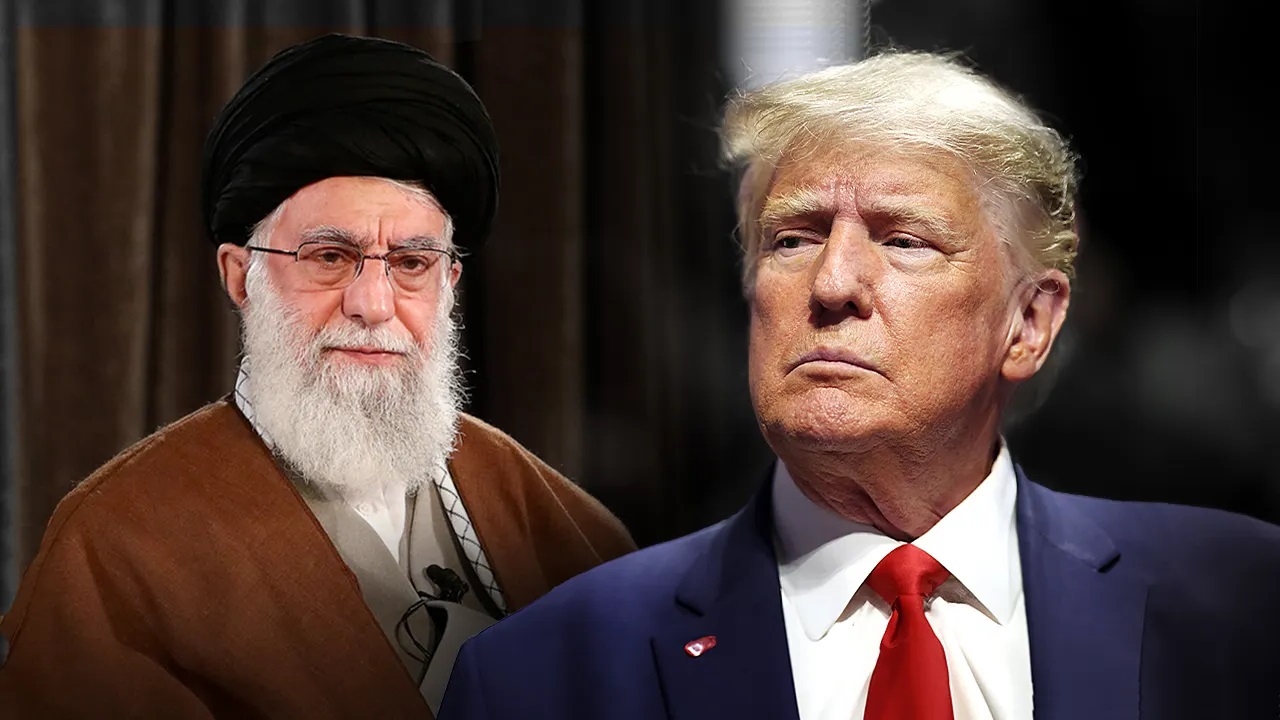
Iran has delivered its most uncompromising warning yet to US President Donald Trump, declaring that any military strike on Iranian territory—regardless of scale or intent—would be treated as a declaration of “all-out war.” The statement follows Washington’s announcement of a major naval deployment toward the Middle East, signalling a sharp escalation in an already volatile regional environment. As of late January 2026, the rhetoric on both sides suggests a revival of crisis-era brinkmanship with potentially global consequences.
A Long Arc of US–Iran Confrontation
US–Iran relations have been defined for decades by mutual distrust, sanctions, proxy conflicts, and nuclear tensions. The current flare-up sits at the intersection of two sensitive fault lines: Iran’s internal unrest and long-standing Western fears over its nuclear ambitions. Widespread protests that erupted in Iran in late December over economic hardship and governance failures have been met with severe crackdowns, drawing condemnation from Western capitals. Simultaneously, Washington has revived elements of its earlier “maximum pressure” doctrine, warning Tehran against both domestic repression and any move to restart its nuclear program.
The Military Signal: Washington’s Calculated Show of Force
President Trump’s announcement of a large US naval armada—anchored by the USS Abraham Lincoln carrier strike group—represents a classic deterrence strategy: overwhelming presence designed to dissuade escalation without immediate combat. Positioned near the Strait of Hormuz, the deployment includes destroyers, combat aircraft, and thousands of personnel, underscoring the strategic importance of global energy chokepoints. Trump has framed the move as precautionary, yet his repeated public warnings suggest an attempt to coerce Iranian behaviour through visible military readiness.
Tehran’s Response: Deterrence Through Defiance
Iran’s reply has been swift and deliberately unambiguous. Senior officials have made clear that Tehran will not differentiate between “limited” or “surgical” strikes, insisting that any attack would trigger a comprehensive military response. Foreign Minister Abbas Araghchi reinforced this stance in international media, emphasising Iran’s readiness to use all available means in self-defence. This posture reflects Iran’s broader doctrine of asymmetric deterrence, which relies on regional allies, missile capabilities, and the implicit threat of wider regional destabilisation.
Global Reactions: A Fractured International Response
International reactions reveal deep geopolitical divisions. Western allies broadly align with Washington’s pressure campaign. Germany, France, and the UK have condemned Iran’s handling of protests and signalled readiness for additional sanctions, while Israel has reiterated support for pre-emptive action should Iran advance its nuclear program.
In contrast, Gulf states have prioritised de-escalation. Saudi Arabia, Qatar, Oman, and Egypt have reportedly engaged in urgent diplomacy to prevent military confrontation, warning of severe regional fallout and economic shockwaves. Riyadh has sought to reassure Tehran that its territory will not be used as a launchpad for attacks.
Russia and China have taken more critical positions toward Washington. Moscow has described US threats as unjustified and called for dialogue, while Beijing has warned that pre-emptive military action sets a dangerous precedent, urging renewed negotiations.
A Dangerous Pause, not a Resolution
The current standoff represents less a crisis resolved than a crisis temporarily contained. Military deployments and maximalist rhetoric may deter immediate action, but they also narrow diplomatic space and raise the cost of miscalculation. With protests simmering inside Iran, energy markets exposed, and regional alliances on edge, the situation remains fragile. Sustainable de-escalation will depend not on naval armadas, but on calibrated diplomacy, restraint, and renewed engagement on both nuclear and humanitarian fronts. Until then, the Gulf remains one misstep away from a wider confrontation.
(With agency inputs)