


India’s Oil Shift and Reliance’s Rise
When Western sanctions on Moscow in early 2022 rerouted Russian crude away from Europe, India stepped into a role it had never occupied before: one of Russia’s largest energy customers. Discounted barrels of Urals crude, once bound for Western markets, began docking in Indian ports in unprecedented volumes.
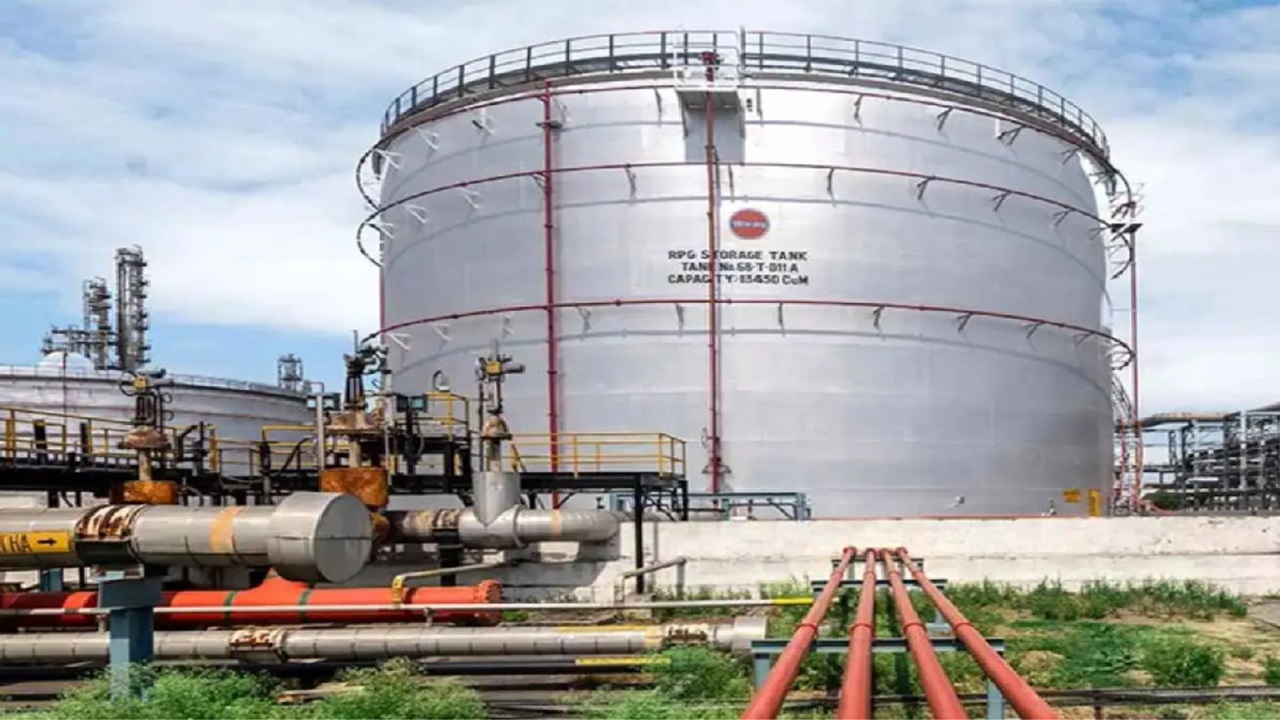
For Indian refiners, it was a once-in-a-generation opportunity. And no company has capitalized on it more than Mukesh Ambani’s Reliance Industries Limited (RIL), operator of the vast Jamnagar refining complex in Gujarat—the world’s largest single-site refinery. In just three years, the company has transformed Russian crude from a marginal input into a cornerstone of its operations, translating bargain-basement feedstock into soaring profits from fuel exports.
From Margins to Mainstream – Russian Crude’s New Role
Before the Ukraine war, India’s imports of Russian crude were negligible. Today, Russian barrels account for nearly 30% of Reliance’s daily throughput of 1.4 million barrels. This transformation accelerated after Reliance inked a decade-long supply agreement with Russian oil giant Rosneft in January 2024, guaranteeing 500,000 barrels per day—set to rise to 700,000 next year.
Industry analysts calculate that Reliance alone has reaped roughly $6 billion in additional earnings from these imports, a substantial share of the $16 billion windfall enjoyed by Indian refiners collectively. Cheap Russian inputs are refined into higher-value fuels and shipped to global buyers—often at prices tied to more expensive non-Russian benchmarks.
Key Players in the Russian Oil Bonanza
While Reliance leads the charge, it is far from alone. Nayara Energy—partly owned by Rosneft and commodities trader Trafigura—has sharply increased its reliance on Urals crude. In 2025, 72% of Nayara’s total crude intake came from Russia, compared to just 27% in 2022.
Together, Reliance and Nayara have become dominant buyers. According to market intelligence firm Kpler, the two companies accounted for 45% of India’s Urals imports in the first half of 2025. Reliance alone purchased 77 million barrels over that period, making it the world’s largest single buyer of Urals crude.
State-owned refiners such as Indian Oil Corporation (IOC) and Bharat Petroleum (BPCL) have also benefited, though their gains are tempered by government controls on domestic fuel prices, limiting the profit lift seen by private firms.
Export Boom to Global Markets
The refining windfall is not just about cheap feedstock—it’s about what happens after the crude is processed. In FY 2024–25, Reliance and Nayara together shipped $60 billion worth of refined petroleum products abroad. Remarkably, $15 billion of that went to the European Union in just the first six months of 2025, even as EU states officially ban direct imports of Russian crude. The refined products, however, fall outside those restrictions, offering Indian refiners a profitable loophole.
Storm Clouds on the Horizon
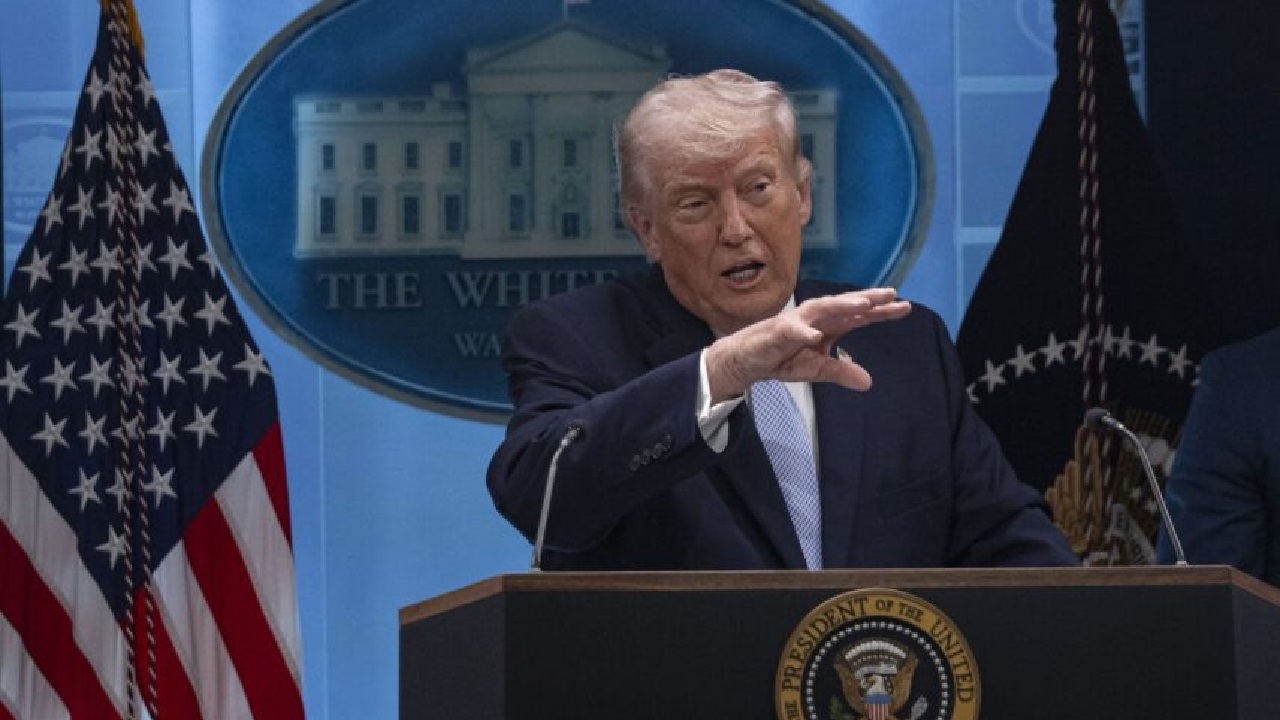
The surge in Russian crude imports has not gone unnoticed in Washington. U.S. President Donald Trump recently slapped 50% tariffs on selected Indian exports, citing concerns that profits from this trade indirectly support Russia’s war in Ukraine. Future sanctions or stricter enforcement of the G7’s price cap on Russian oil could squeeze margins for Indian refiners.
At home, policymakers are also debating the sustainability of this crude-dependent strategy. Elevated retail fuel prices have drawn criticism and triggered calls from ministers, including Nitin Gadkari, to accelerate adoption of ethanol and alternative fuels—changes that could reshape domestic demand and reduce refinery profitability.
Reliance’s Strategic Balancing Act
For Mukesh Ambani’s Reliance Industries, the Russian crude play is as much about geopolitics as it is about economics. By diversifying supply sources and securing long-term contracts, Reliance has insulated itself from some market volatility. Yet the company’s fortunes are now intertwined with shifting diplomatic alignments between Moscow, Washington, and New Delhi.
Urals crude, once peripheral to India’s energy mix, is now at the heart of its refining economy. For Reliance, the barrels arriving from Russian ports are more than just cheap inputs—they are the foundation of a global export machine that stretches from Gujarat to Rotterdam.
Profits Amid Uncertainty
India’s embrace of discounted Russian crude has reshaped its energy landscape in less than three years. Reliance Industries stands at the center of this transformation, turning cut-price oil into record-setting export revenues. Alongside peers like Nayara, it has demonstrated how opportunistic buying and advanced refining capacity can turn geopolitical upheaval into corporate profit.
But the calculus could change quickly. Intensifying Western scrutiny, potential sanctions adjustments, and evolving domestic fuel policies all threaten to disrupt the flow of cheap Russian barrels. For now, Ambani’s refinery empire continues to thrive—positioned at the crossroads of global energy flows, but navigating an increasingly narrow channel between commercial gain and political risk.
(With agency inputs)