



A War That Refuses to End
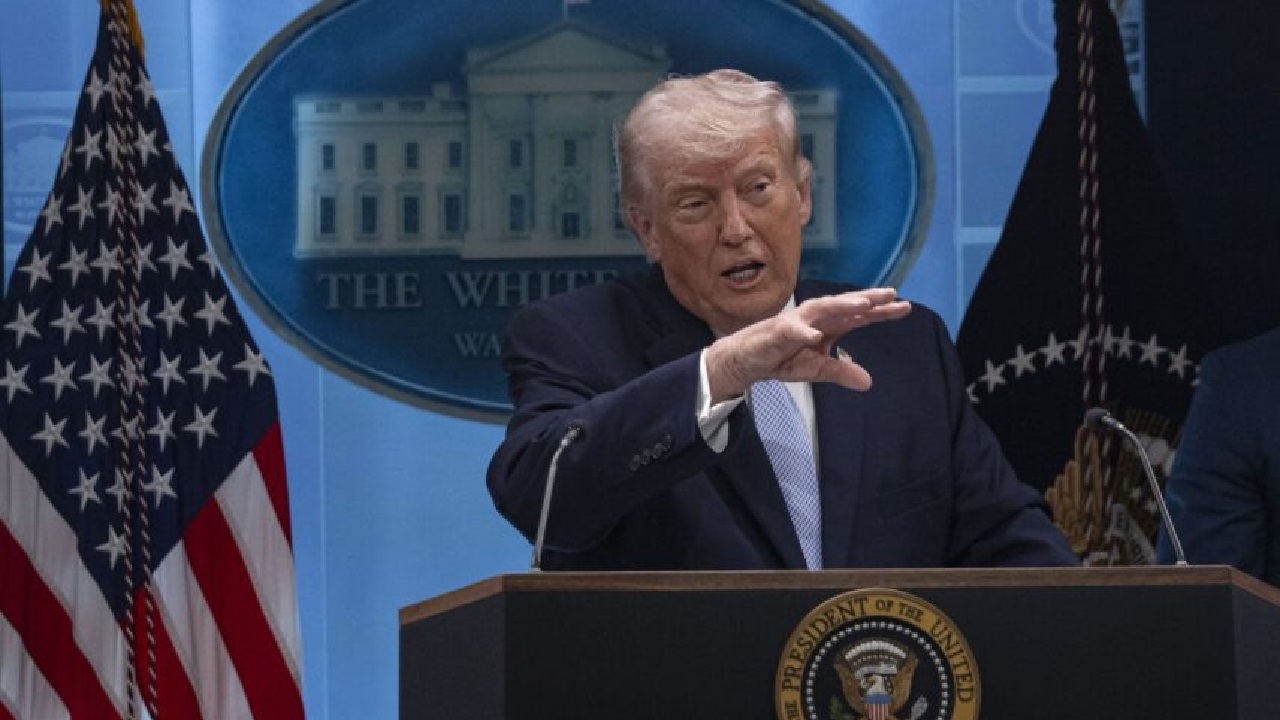
More than two years into the devastating conflict, the war between Russia and Ukraine remains one of the world’s most volatile crises. What began with a full-scale Russian invasion in 2022 has spiraled into a grinding, attritional war that shows few signs of resolution. Amidst repeated Western attempts to support Kyiv and press Moscow diplomatically, U.S. President Donald Trump recently made headlines by promising to send more defensive weapons to Ukraine—marking a significant shift in his administration’s evolving Ukraine policy.
Within hours of this announcement, Russia retaliated with a record-breaking aerial assault, launching 728 drones across Ukraine in one night. The attack, though largely repelled by Ukrainian air defenses, underscored how quickly escalations follow political developments in this fragile theatre of war.
A Record Attack: 728 Drones in One Night
The overnight strike was the most massive drone attack since the war began. Ukraine’s air force confirmed on Telegram that almost all of the drones were intercepted—many through electronic jamming systems—but the sheer scale of the attack sparked alarm across the country.
Cities across Ukraine, including Kyiv and the western city of Lutsk, were targeted. According to Ukrainian President Volodymyr Zelenskiy, this latest assault reaffirms the need for “biting” secondary sanctions—particularly on nations that continue to finance Russia’s war economy through oil and gas purchases.
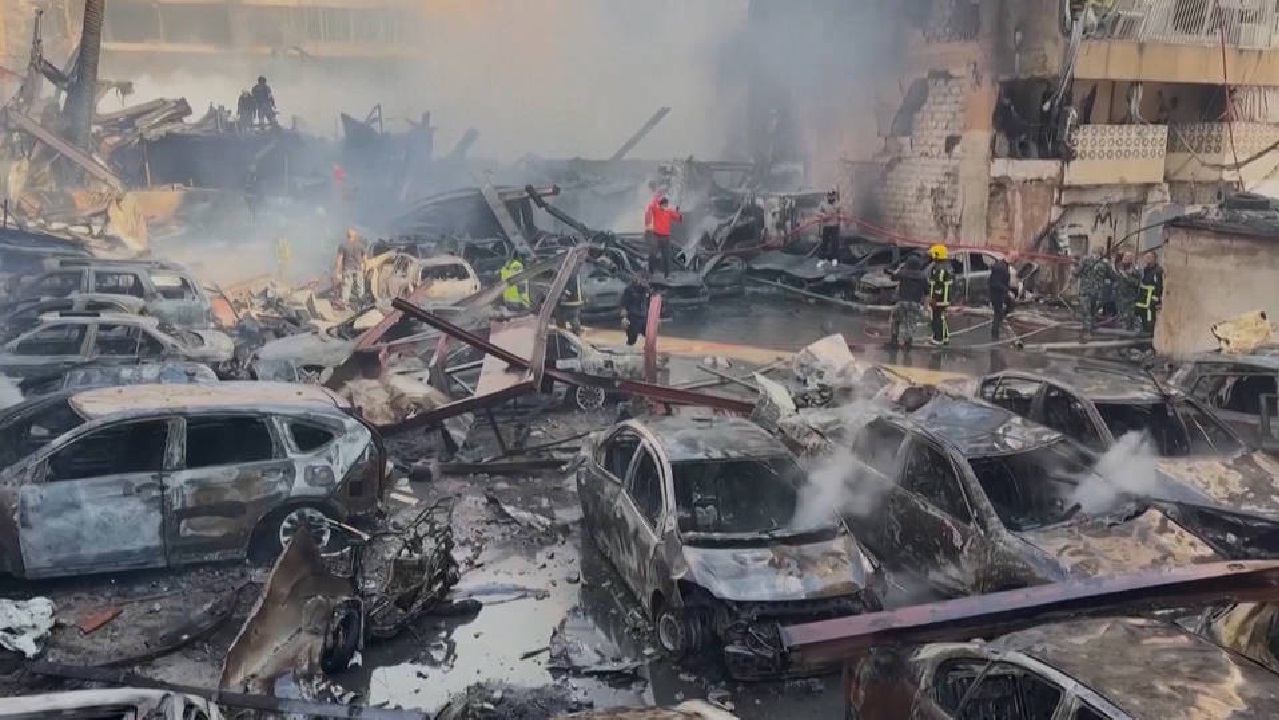
While casualties were avoided in Lutsk, damage to buildings and infrastructure was reported. Fires broke out at a storage facility and in parking areas. Officials said 50 drones and five missiles alone flew over the Volyn region, which includes Lutsk. The attack stretched as far west as 200 km from the Polish border, prompting NATO member Poland to scramble its jets in coordination with allied forces to ensure airspace safety.
Trump’s Shift in Rhetoric and Policy
President Trump’s promise to reverse Pentagon delays and send more defensive weapons to Ukraine is seen as a sharp pivot. Initially campaigning on a promise to “end the war quickly,” Trump has recently shown signs of taking a firmer line on Moscow. At a Cabinet meeting, he sharply criticized Russian President Vladimir Putin, saying, “We get a lot of bullshit thrown at us by Putin… He’s very nice all the time, but it turns out to be meaningless.”
Trump added that he is considering supporting a Senate bill that would impose severe sanctions on Russia—including 500% tariffs on countries that buy Russian energy and minerals. His remarks suggested a possible return to more traditional hardline Republican foreign policy, at least in part, as global outrage over Russian aggression mounts.
Still, Trump hinted at unpredictability when asked about his specific plans against Putin: “I wouldn’t tell you. We want to have a little surprise.”
Ukraine Responds: Calls for Sanctions, Weapons, and Unity
Reacting to both the drone assault and Trump’s renewed support, Zelenskiy has ordered the expansion of U.S.-Ukraine military coordination, prioritizing air defense systems. Kyiv sees bolstered Western military aid as critical to halting Russia’s increasingly frequent and destructive aerial campaigns.
Zelenskiy also called again for secondary sanctions, targeting nations that continue to trade with Russia and indirectly finance the war. “Without cutting off the economic lifeline, the aggression will not stop,” he said.
Ukraine’s international diplomacy is also ramping up. Keith Kellogg, Trump’s envoy to Ukraine, is set to attend a major international aid summit in Rome on July 10–11, where Zelenskiy and European allies are expected to push for expanded support.
The Poland Angle: NATO on Alert
Russia’s targeting of western Ukraine, especially areas near the Polish border, added a dangerous new dimension to the strike. The Polish Armed Forces confirmed it had activated fighter jets to monitor and protect its airspace in coordination with NATO allies.
Though the drones did not cross into Poland, the proximity of the assault has reignited concerns about the conflict spilling over into NATO territory—an act that could draw the alliance directly into war under Article 5.
The War Intensifies, Again
Russia’s record-breaking drone attack in response to Trump’s vow of renewed aid is a stark reminder that peace remains elusive. As Ukraine fortifies its defenses and strengthens international alliances, Russia appears intent on pushing the boundaries—both militarily and geographically.
Trump’s dual approach of harsh rhetoric and proposed sanctions could change the strategic calculus, but whether it will deter Moscow remains uncertain. For now, the war continues to escalate, with each political move met by fire from the skies.
(With agency inputs)