A Night of Destruction: Ukraine Plunged into Darkness
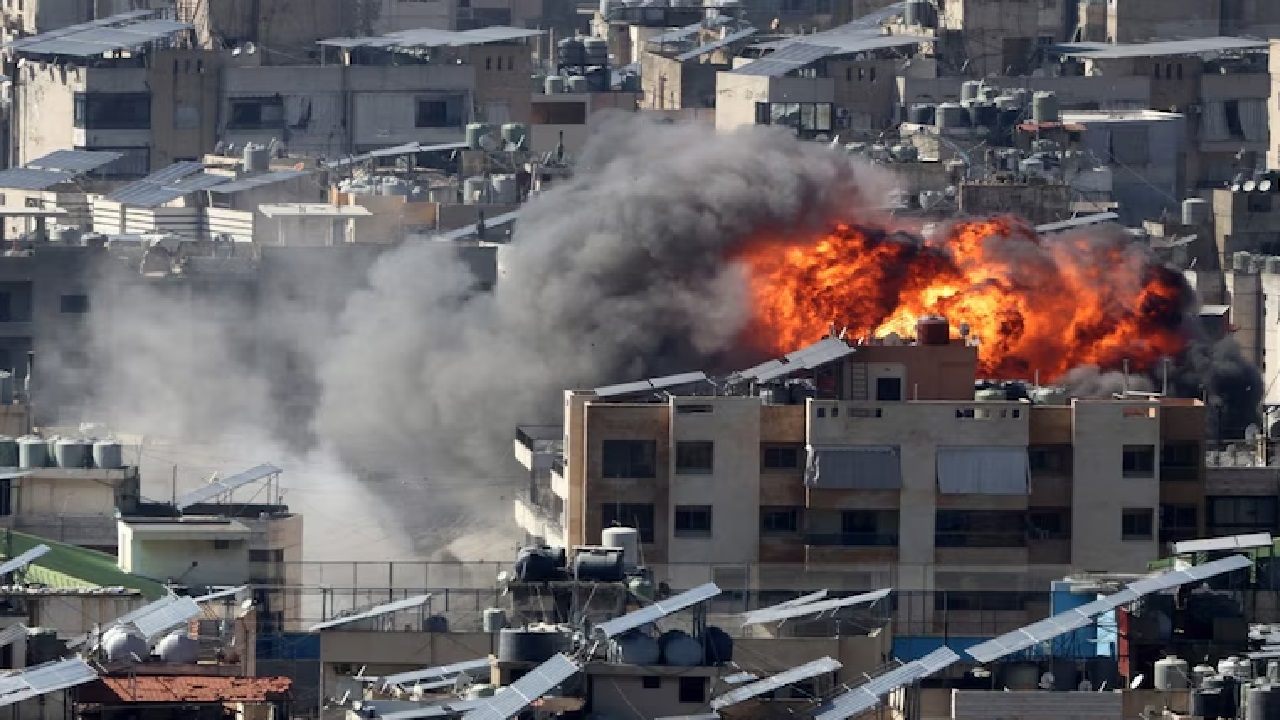
Ukraine awoke on October 22, 2025, to another grim chapter of the war — a barrage of Russian missiles and drones that turned the night sky into a storm of fire and chaos. The overnight assault, among the fiercest in recent weeks, killed at least six civilians, including two children, and injured over twenty others. Residential buildings, power stations, and transportation networks across Kyiv, Odesa, Dnipropetrovsk, Chernihiv, and Poltava were battered, leaving millions without electricity amid freezing temperatures.
President Volodymyr Zelensky described the attack as “a night of horror and heartbreak,” condemning Moscow for deliberately targeting civilians ahead of winter. Kyiv’s mayor, Vitali Klitschko, said debris from intercepted missiles caused fires across residential blocks, while hundreds of homes were shattered by shockwaves.
The Ukrainian Energy Ministry confirmed widespread emergency blackouts, calling the assault a calculated escalation aimed at crippling the country’s fragile energy grid. “Entire districts of Kyiv and Odesa have gone dark. The objective is clear — to freeze Ukraine into submission,” said a ministry statement.
The Energy War: A Battle Beyond the Battlefield
This wave of blackouts signals the deepening of what analysts call Russia’s “energy war” — a strategy that weaponizes winter against Ukraine’s population. Since the invasion began in 2022, Moscow has targeted power plants, fuel depots, and grid infrastructure to break morale and force political concessions.
Ukraine’s grid operator, Ukrenergo, reported that repair crews were unable to reach some critical sites due to hovering Russian drones. Hospitals switched to backup generators, while train services were partially suspended. The country’s largest private energy firm, DTEK, described “unprecedented damage” to supply networks, warning that full restoration could take weeks.
Humanitarian agencies fear a worsening crisis as the country faces its fourth winter under bombardment. “The targeting of energy infrastructure is not only unlawful — it’s a deliberate assault on civilians,” said UN humanitarian coordinator Denise Brown, who urged immediate international assistance to help Ukraine prepare for the cold months ahead.
Diplomatic Fallout: Trump–Putin Summit Called Off
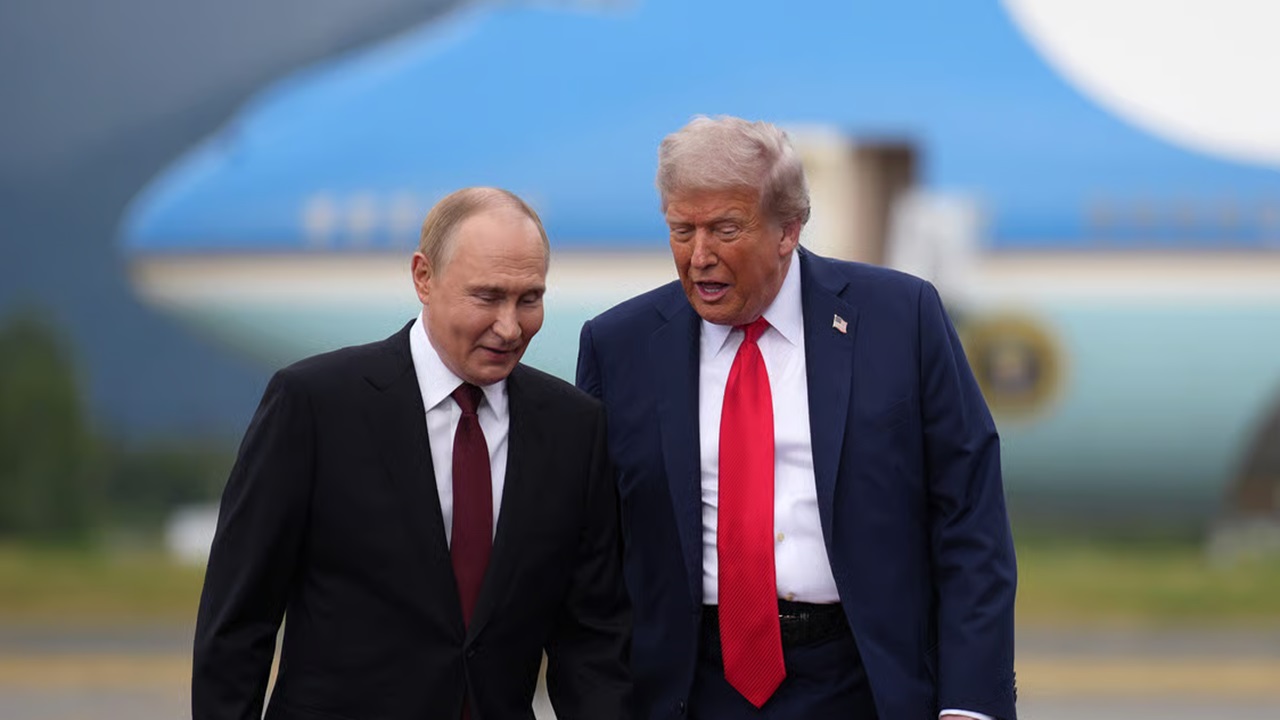
Even as Ukraine struggled to restore light and heat, a parallel development in global diplomacy dimmed prospects for peace. The planned Trump–Putin summit in Budapest — once touted as a potential turning point — was abruptly shelved indefinitely.
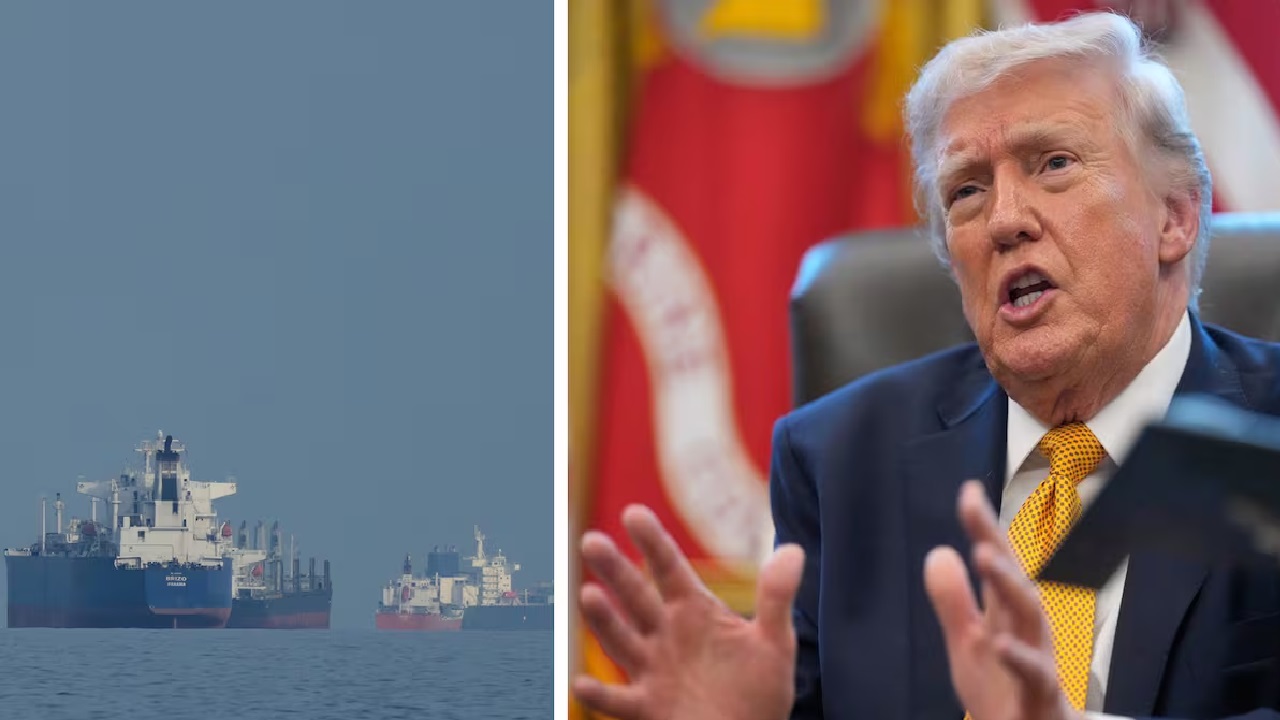
U.S. President Donald Trump, who had hinted at brokering a ceasefire “within two weeks,” told reporters he did not want a “wasted meeting,” citing Moscow’s refusal to agree to a freeze along current frontline. “It’s not worth doing if Russia isn’t serious about peace,” Trump said, signaling growing frustration within the White House.
Secretary of State Marco Rubio also canceled scheduled talks with Russian Foreign Minister Sergey Lavrov, following what officials described as an “unproductive call.” The Kremlin responded coolly, asserting that “no official date had been fixed” and blaming the U.S. for lacking “a genuine peace agenda.”
In Kyiv, President Zelensky cautiously welcomed Washington’s decision, reiterating that “no summit should reward aggression.” He warned that Moscow often used diplomatic overtures as “a smokescreen for continued violence,” and insisted that Ukraine’s sovereignty and accountability for war crimes remain non-negotiable preconditions for any talks.
Global Reactions: Relief, Concern, and Political Calculus
The cancellation triggered mixed reactions across the international stage. In Europe, the response leaned toward cautious relief. Leaders in London, Paris, and Berlin praised the U.S. decision, arguing that premature diplomacy could have legitimized Russia’s territorial gains. The European Council, in a joint statement by 11 EU heads of state, reaffirmed that any peace effort must “honor Ukraine’s sovereignty and uphold accountability for war crimes.”
By contrast, Hungarian Prime Minister Viktor Orbán, who had offered to host the summit, lamented the lost opportunity, calling it “a missed chance for dialogue.” His pro-Russian stance once again highlighted fissures within the EU.
In Moscow, Kremlin spokesperson Dmitry Peskov dismissed the cancellation as a “routine adjustment,” while Russian state media framed it as proof of Washington’s “disinterest in peace.” Analysts close to the Kremlin suggested the decision could embolden Russia to intensify its winter offensive, exploiting Ukraine’s growing energy vulnerability.
Meanwhile, China struck a characteristically neutral tone. A Foreign Ministry spokesperson reiterated Beijing’s 12-point peace plan and emphasized “the importance of multipolar diplomacy.” Observers note that Beijing views Washington’s inability to convene talks as a sign of waning Western leverage.
In the Global South, responses were pragmatic. Nations across Africa, Asia, and Latin America — burdened by energy inflation and disrupted grain supplies — urged renewed efforts through UN-led or neutral mediations, warning that prolonged conflict would continue to damage global economic stability.
The War That Refuses to End
The twin events — the brutal overnight strikes and the collapse of diplomatic momentum — expose a grim truth: this war has settled into a stalemate of suffering. With the frontlines largely static, both sides now wage battles of endurance — one through missiles and attrition, the other through diplomacy and resistance.
Analysts warn that Russia’s renewed attacks on energy infrastructure could plunge millions into hardship, potentially testing Western resolve as aid fatigue grows. Simultaneously, the failure of the Trump–Putin summit underscores how deep mistrust and divergent ambitions continue to obstruct even the possibility of dialogue.
Consequences Beyond the Battlefield
The October strikes and the aborted summit together illustrate the widening chasm between warfare and diplomacy. While Ukraine’s cities flicker in darkness, world leaders remain trapped in debates over frameworks and formats. Every diplomatic delay translates into more civilian suffering, more shattered homes, and more despair.
Yet amid the destruction, one truth remains unshaken — Ukraine’s resilience endures, powered by a nation unwilling to surrender its future. As the conflict grinds on and winter descends, the world faces a defining choice: to treat this war as distant news, or as a collective test of moral and political will.
For now, the lights of Kyiv may dim, but the resolve of its people continues to burn — a beacon of defiance in a world still struggling to find the way back to peace.
(With agency inputs)