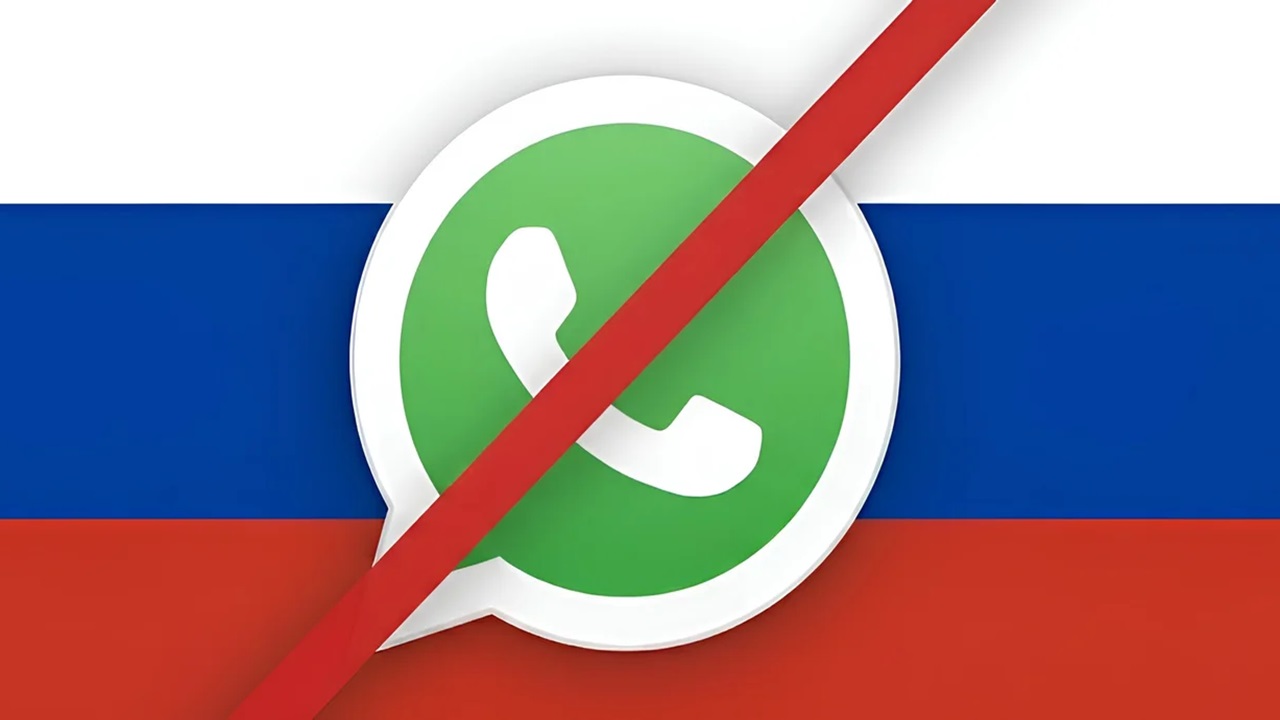
Crackdown on Meta and the Rise of a “National Messenger”
Russia has moved to block Meta-owned WhatsApp nationwide after authorities said the platform failed to meet domestic data-storage and content-control requirements. Officials framed the decision as a matter of digital sovereignty, arguing that foreign platforms must comply with local regulations or risk exclusion. With the ban now in effect, the government is promoting MAX—a state-supported messaging application—as the country’s primary communication tool. The shift marks one of the most sweeping attempts yet to replace a globally dominant service with a domestically controlled alternative.
Sovereign Internet Strategy in Motion
The WhatsApp shutdown fits into Moscow’s broader effort to build a self-contained internet ecosystem. Over recent years, Russia has tightened rules on foreign technology companies, demanding that user data be stored locally and accessible to security agencies. Meta has long resisted some of these demands, and tensions intensified after earlier restrictions on Instagram and Facebook. By removing WhatsApp from the market, authorities aim to reduce dependence on foreign platforms while strengthening oversight of digital communication. Critics argue that the move prioritizes control over openness and risks isolating Russian users from global networks.
MAX vs WhatsApp and Telegram: Feature and Privacy Comparison
MAX is positioned as more than a messaging app. Developed by a domestic tech conglomerate, it integrates state services, digital identity tools, and payment systems into a single interface. However, unlike WhatsApp—which uses end-to-end encryption by default—MAX reportedly lacks full encryption, enabling broader access to user data and metadata. Telegram occupies a middle ground: it offers optional encrypted chats and large public channels but stores many messages in the cloud.
In terms of functionality, MAX supports voice and video calls, file sharing, and mini-apps, similar to its rivals. Yet its key distinction lies in its integration with government services, making it a gateway for administrative tasks and official communication. WhatsApp remains stronger in global connectivity and security, while Telegram continues to attract users seeking flexibility and large-scale broadcasting features. MAX’s growth will likely depend on state mandates and incentives rather than organic user migration.
Economic and Social Impact
The ban has immediate consequences for businesses and communities that relied on WhatsApp for daily operations. Small enterprises, international partners, and diaspora networks face disruption as they shift to alternative platforms. Some users are turning to VPNs or migrating to Telegram and other services, though connectivity may become increasingly restricted. Economists warn that limiting access to global communication tools could hinder productivity and innovation, particularly in sectors reliant on cross-border collaboration.
Control Versus Connectivity
Russia’s decision to block WhatsApp and elevate MAX reflects a strategic pivot toward digital self-reliance and tighter information management. While the move strengthens domestic oversight and supports local technology development, it also raises concerns about privacy, global integration, and user choice. Whether MAX can replicate WhatsApp’s scale and trust remains uncertain. What is clear, however, is that Russia’s communications landscape is entering a new phase—one defined less by open connectivity and more by state-shaped digital infrastructure.
(With agency inputs)