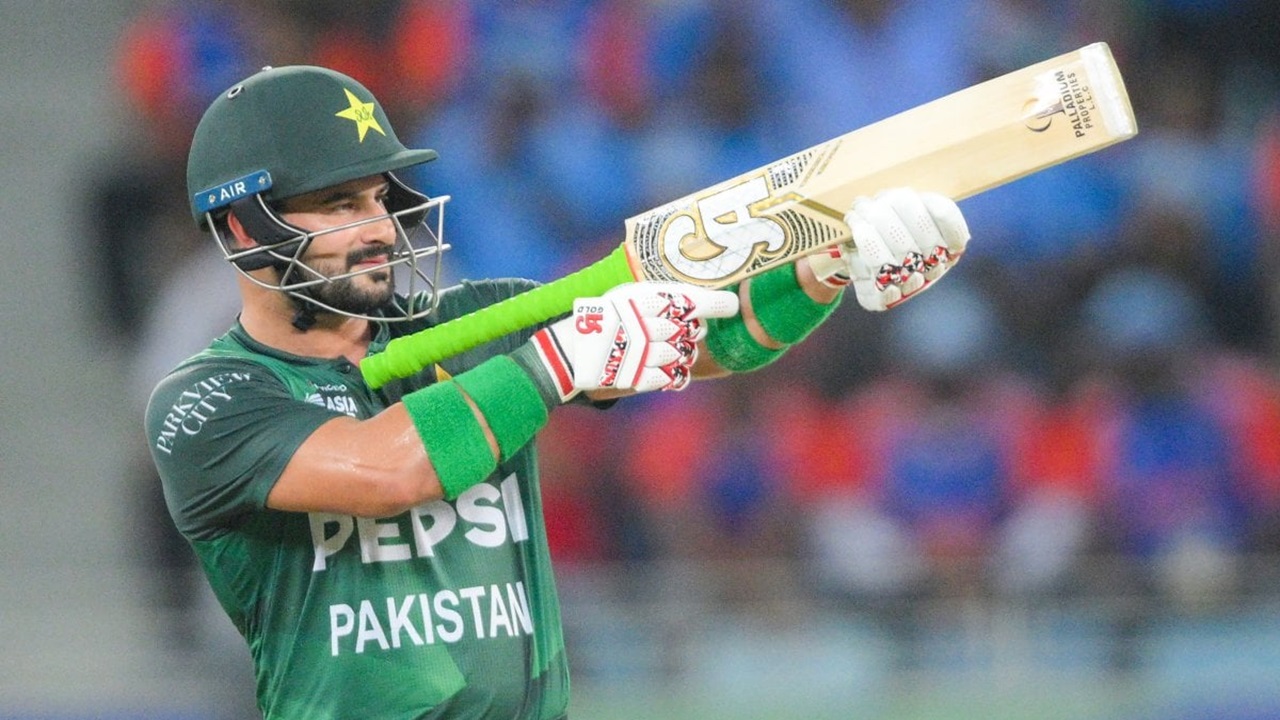
Farhan’s Controversial Celebration
Pakistan batter Sahibzada Farhan made headlines during the Asia Cup 2025 Super 4 clash against India by scoring 58 runs from 45 balls. While his half-century helped Pakistan reach a total of 171, it was his post-shot celebration—mimicking an AK-47—that sparked widespread criticism. The 29-year-old, when asked about the gesture, stated unequivocally, “Mujhe parwah nahi” (I don’t care), asserting that he celebrated in the way he wanted and that aggressive cricket should be played against every opponent, not just India.
Farhan’s action reignited debates over the intersection of sportsmanship, politics, and religiosity within Pakistani cricket. Analysts and fans criticized the gesture as an example of militant symbolism creeping into the game, further fueling calls to boycott the Pakistani team.
Pakistan Cricket and the “Mujahid” Ethos
Critics have long observed an undercurrent of religiosity in Pakistan cricket, which surfaces particularly when performances falter. The so-called “mujahid mentality”—a militant, religiously charged approach—has occasionally influenced players’ behavior on and off the field.
Historically, incidents such as the 2007 World Cup in the West Indies exemplified this trend. Several players, influenced by the conservative Islamic missionary group Tableeghi Jamaat, skipped training to preach to locals, disrupting team cohesion. Pakistani journalist Syed Muzammil noted that this compromised professionalism, prompting the Pakistan Cricket Board (PCB) to introduce clauses banning religious or political preaching during tours.
High-profile players have openly embraced this identity. Former captain Inzamam-ul-Haq, dubbed “Mujahid-e-Multan,” publicly praised teammate Mohammad Rizwan for strictly adhering to Islamic practices, framing religious observance as integral to leadership and merit. Other accounts suggest that players invited Indian Muslim cricketers to listen to religious sermons in the dressing room, illustrating the permeation of missionary zeal into cricketing culture.
Past and Present Incidents
Farhan’s gesture is the latest in a series of provocative acts by Pakistani players. Fast bowler Haris Rauf, for instance, previously mimicked shooting down a plane in a celebration, symbolizing similar militant undertones.
Former players’ statements highlight the depth of religiosity in team dynamics. Batsman Ahmed Shehzad once told Sri Lanka’s Tillakaratne Dilshan that non-Muslims who converted would secure a place in heaven. Mohammad Yousuf’s mid-career conversion from Christianity was later attributed to the religious atmosphere within the team. Conversely, Hindu spinner Danish Kaneria claimed that his faith limited his opportunities, suggesting systemic exclusion based on religious conformity rather than merit.
These incidents collectively illustrate how a mix of religiosity and militant symbolism has periodically influenced behavior, performance, and team culture. Farhan’s recent celebration is not merely a spontaneous act but part of a long-standing pattern where religion and political signaling intersect with sport.
Performance and Strategy on the Field
Despite the controversy, Farhan emphasized tactical aspects during the post-match press conference. Pakistan’s batting strategy during powerplays was a key focus. Farhan noted that previous matches saw early wickets lost in the first six overs, a factor the team intended to rectify against Sri Lanka. In Sunday’s match, the team scored around 90 runs in the first ten overs, though the middle order collapsed, highlighting areas for improvement.
He stressed the importance of playing aggressive cricket across all opponents and using powerplays effectively while maintaining wickets—a strategic message that blends professionalism with competitive aggression, separate from celebratory theatrics.
Constructive Analysis and Broader Implications
The Farhan incident underscores a persistent challenge for Pakistan cricket: balancing cultural and religious identity with professionalism and sportsmanship. While players may view gestures like the AK-47 mimicry as personal expression, such acts have wider consequences—fueling criticism from fans, observers, and international audiences.
Institutional reforms, like PCB’s earlier bans on preaching during tours, have attempted to curb such behavior, but the persistence of the “mujahid” ethos indicates deeper cultural and structural issues. Future success will require stronger enforcement of codes of conduct, education on sportsmanship, and conscious efforts to separate personal beliefs from public performance.
Reconciling Faith, Identity, and Cricket
Sahibzada Farhan’s AK-47 celebration is a microcosm of broader challenges in Pakistani cricket, where religiosity, militant symbolism, and competitive sport intersect. Addressing these issues demands a nuanced approach: fostering talent while curbing actions that compromise professionalism or international perception.
If Pakistan cricket can reconcile religious identity with discipline and ethical conduct, it can improve team cohesion, global credibility, and long-term performance. Farhan’s talent is evident, but the cricketing fraternity must ensure that celebrations, faith, and personal expression enhance rather than overshadow the game.
(With agency inputs)