A Shifting Political Landscape
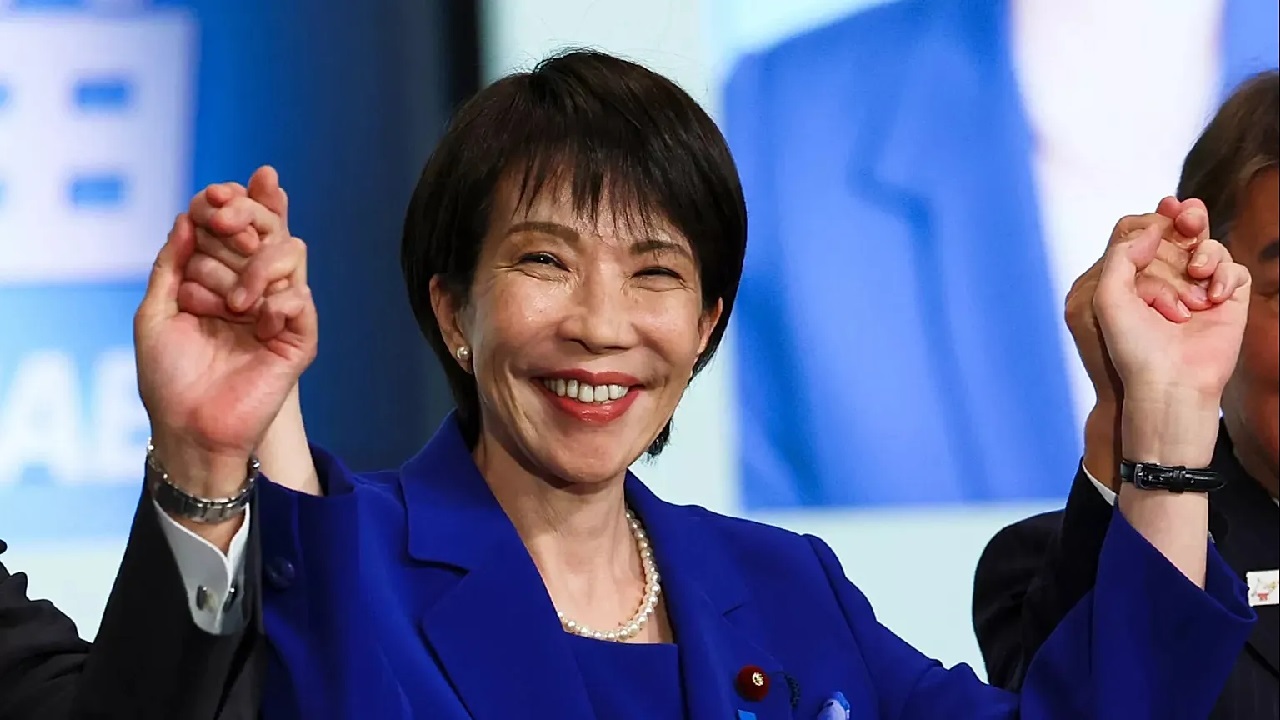
Japan’s political arena is entering a defining moment. The ruling Liberal Democratic Party (LDP), long dominated by male leadership and traditional power blocs, has chosen Sanae Takaichi as its new party head, positioning her to take office as Japan’s first female prime minister. Her rise comes at a time when the LDP faces dwindling trust, battered by corruption scandals, election defeats, and voter frustration over rising living costs. With her victory, Takaichi inherits both the weight of history and the heavy responsibility of reviving her party’s credibility.
The Road to Victory
The leadership race was triggered after Shigeru Ishiba, who served just a year as prime minister, stepped down amid mounting pressure from within the party. Ishiba’s tenure had been unpopular with the LDP’s right wing, leaving a leadership vacuum. Takaichi, a staunch conservative known for her nationalist stance, seized the moment, promising to restore pride and prosperity to Japan’s global standing.
The contest culminated in a tense runoff against Shinjiro Koizumi, a reform-minded moderate and son of former Prime Minister Junichiro Koizumi. Although many expected Koizumi to benefit from stronger support among lawmakers, Takaichi defied predictions. According to Kyodo News, she secured 183 of 589 votes in the first round, eliminating three other contenders, before clinching victory in the final round.
Echoes from the Past
Japan has witnessed moments of leadership shakeups before, though never with such a groundbreaking outcome. When Junichiro Koizumi himself rose to power in 2001, his promise of reform energized voters, though his successors often struggled to maintain stability. Similarly, Ishiba’s abrupt departure after only a year underscored the volatility within the LDP. Yet, unlike these previous transitions, Takaichi’s ascent carries symbolic weight, signaling a potential cultural shift in a nation often criticized for its lack of female representation in politics.
Challenges Ahead
Despite the historic milestone, Takaichi faces daunting obstacles. The LDP no longer commands a parliamentary majority, meaning her government will need to navigate fragile coalitions and skeptical voters. Her immediate priority will be to unify a party fragmented by ideological divisions and tarnished by scandal. She has already acknowledged the public’s disillusionment, stating before the runoff vote: “I wanted to turn people’s anxieties about their daily lives and the future into hope.”
Internationally, her leadership will be closely watched. Takaichi has emphasized a strong defense posture and a firm foreign policy, echoing Japan’s broader concerns over regional security. Yet, she must balance these ambitions with economic recovery and the domestic struggle against rising costs.
A Constructive Conclusion
Sanae Takaichi’s victory is more than just a political development—it is a historic breakthrough that redefines Japan’s leadership trajectory. While she steps into office under the shadow of scandals, poor election results, and wavering public trust, her success offers the LDP a chance to reset its identity. Japan has often shown resilience through political turbulence, and Takaichi now has the opportunity to channel that spirit into genuine reform. If she can bridge divisions within her party, restore confidence among citizens, and deliver on her promises, she may not only secure her place in history as Japan’s first woman prime minister but also as a leader who helped her nation rediscover its direction.
(With agency inputs)