LUMS Reintroduces Sanskrit
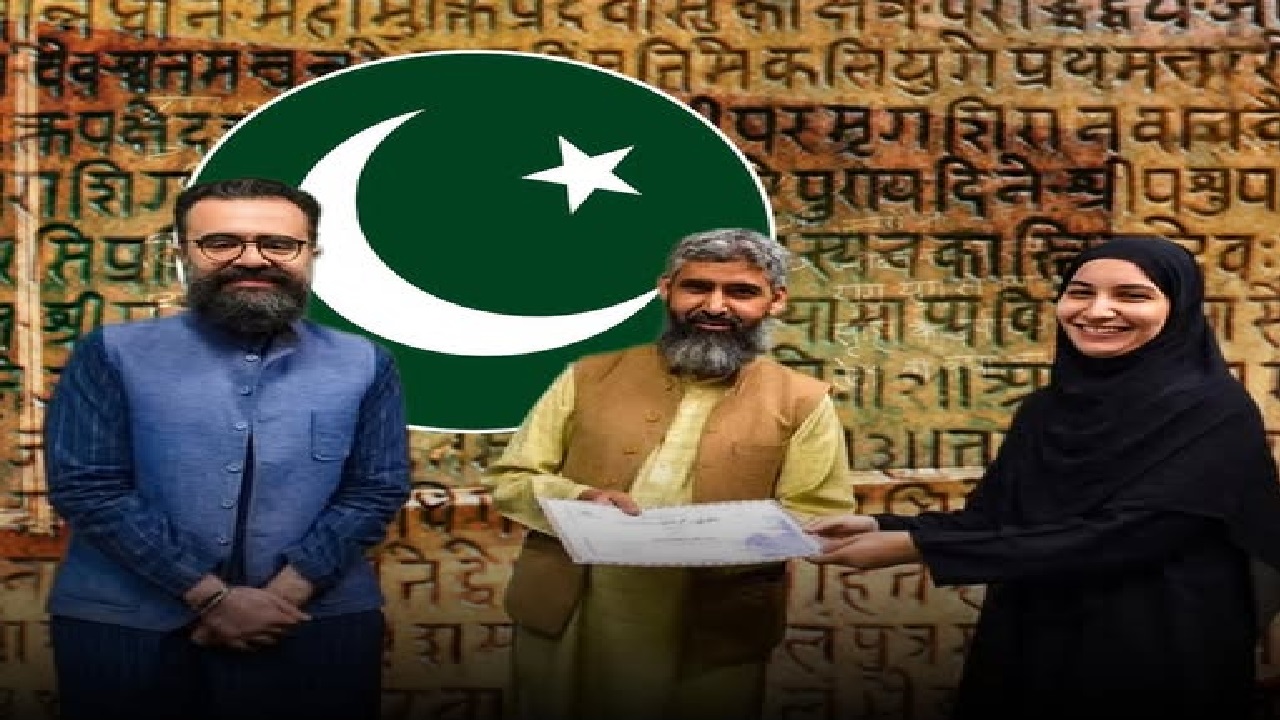
Lahore University of Management Sciences (LUMS) has launched a four-credit elective in Sanskrit, marking the first time the classical language is formally taught at a Pakistani university since Partition in 1947. The initiative, spearheaded by Professor Shahid Rasheed, seeks to revive interest in South Asia’s shared linguistic and cultural heritage, bridging historical divides in a region often defined by political tensions.
Course Genesis: From Personal Passion to Academic Offering
Shahid Rasheed, an engineer turned sociology professor, initiated the course out of a personal fascination with ancient texts. His self-directed study evolved into a collaborative effort with Indian Sanskrit scholars to ensure authenticity in pedagogy. The curriculum spans foundational grammar, literary masterpieces including the Rigveda, and philosophical treatises, emphasizing Sanskrit’s enduring influence on South Asian thought.
The pilot semester, launched in fall 2025, attracted 25 students, highlighting the language’s appeal among youth eager to explore regional heritage. By situating Sanskrit within historical, linguistic, and philosophical frameworks, LUMS aims to counter the post-Partition erasure of shared cultural legacies and foster a nuanced understanding of India-Pakistan historical ties.
Academic Rationale and Interdisciplinary Appeal
The decision to teach Sanskrit at LUMS rests on multiple academic arguments. Rasheed underscores its contributions to Urdu vocabulary, Sufi poetry, and broader South Asian literary traditions. Sanskrit is presented as an interdisciplinary tool, connecting linguistics, history, religious studies, and comparative philosophy.
Analysts note that such an approach mirrors global trends: universities like Harvard, Oxford, and SOAS have long offered Sanskrit courses to deepen critical thinking, cultural literacy, and analytical skills. At LUMS, the course leverages modern tools—including digital access to Upanishads and classical texts—allowing students to engage with ancient literature through contemporary platforms.
Professor Behind the Revival
Professor Rasheed is central to the initiative’s success. Beyond curriculum design, he has negotiated collaborations with Indian academics, translated key texts for classroom use, and contextualized Sanskrit in ways that resonate with Pakistani students. His efforts reflect a deliberate strategy to revive the language as a bridge between modern scholarship and traditional South Asian intellectual heritage.
How LUMS Implemented Sanskrit Teaching
The program was structured as an elective to test interest and feasibility. Small class sizes ensure individualized attention, while pedagogical methods combine textual study, philosophical debate, and linguistic exercises. By framing Sanskrit as both a historical and living language, LUMS seeks to attract students beyond conventional language majors, encouraging engagement from disciplines such as sociology, history, and comparative religion. Plans for expansion could see additional courses in related classical languages such as Pali or Tamil.
Broader Implications
LUMS’ Sanskrit initiative carries cultural, diplomatic, and educational significance. It challenges narratives that distance Pakistan from pre-Islamic or “Hindu” legacies, while fostering pluralism and academic exchange despite visa and geopolitical barriers. Supporters, including the Pakistan Hindu Council, see it as a step toward inclusivity and soft power enhancement. The course may also influence broader humanities education in Pakistan, providing a model for interdisciplinary programs in a context where traditional subject enrollment is declining.
A Bridge Across Time and Borders
By reintroducing Sanskrit, LUMS is not merely teaching a language—it is reclaiming a shared heritage, promoting critical inquiry, and offering students a lens into South Asia’s intellectual past. Professor Rasheed’s vision underscores how academia can transcend politics, creating a space where history, culture, and scholarship converge, and where learning becomes an instrument of dialogue, understanding, and regional engagement.
(With agency inputs)