


SCO and India’s Diplomatic Stakes
The Shanghai Cooperation Organization (SCO), founded in 2001, has steadily evolved into one of the most influential regional blocs in Eurasia, encompassing major powers like China, Russia, India, and Central Asian states. For New Delhi, participation in SCO is more than symbolic—it is an avenue to engage both friends and competitors in a single forum. Against the backdrop of shifting global alignments, the SCO has become a crucial platform for India to articulate its strategic interests, strengthen regional security cooperation, and deepen economic linkages.
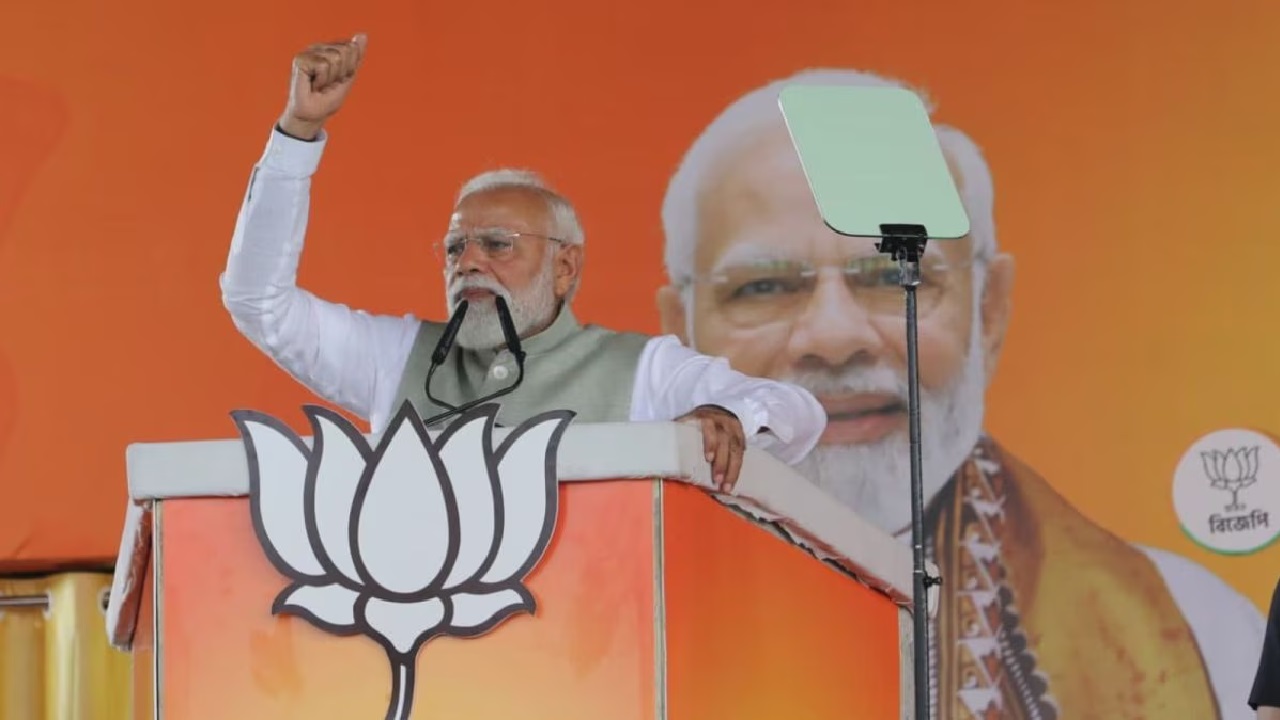
As Prime Minister Narendra Modi heads to Tianjin, China, for the 25th SCO Summit (August 31–September 1), the occasion offers New Delhi an opportunity to shape discussions on connectivity, sustainable growth, and security—issues central to India’s diplomacy.
A Historic Gathering in Tianjin
This year’s summit, hosted by China for the fifth time, marks the SCO’s silver jubilee. More than 20 heads of state and 10 leaders of international organizations are attending, making it the largest and most ambitious gathering in the body’s history.
Chaired by President Xi Jinping, the summit will review 25 years of the SCO’s achievements and chart a ten-year development strategy. The presence of global leaders—including Russia’s Vladimir Putin and India’s Narendra Modi—underscores the weight the SCO carries in shaping Eurasia’s political and economic order.
India’s Priorities at the Summit
Prime Minister Modi’s agenda highlights India’s desire to play a constructive role within the SCO framework. His interventions are expected to focus on:
· Regional Security: Addressing terrorism, narcotics trafficking, and cyber threats that affect stability across borders.
· Connectivity and Trade: Enhancing sustainable infrastructure and regional connectivity projects that link South Asia with Central Asia.
· Sustainable Development: Building consensus on clean energy, climate action, and balanced growth across SCO nations.
· Multilateral Cooperation: Using the SCO as a bridge to foster dialogue amid global polarisation, particularly in light of tensions between major powers.
India’s active engagement signals not only its commitment to the SCO but also its broader vision of promoting a cooperative Eurasian order.
Putin’s Endorsement of the SCO’s Role
Russian President Vladimir Putin, in remarks ahead of the summit, stressed that the SCO is becoming an indispensable pillar of global governance. He noted that the organization’s appeal lies in its principles of equal cooperation, respect for national identities, and non-targeting of third parties.
According to Putin, these principles strengthen the SCO’s ability to confront contemporary challenges, consolidate Eurasian solidarity, and contribute to a more equitable multipolar world order. He expressed confidence that the Tianjin summit would give “new momentum” to the SCO, modernizing it to meet evolving global realities.
Why the SCO Matters for India Now
For India, participation in Tianjin comes at a pivotal moment. With global supply chains strained, regional conflicts simmering, and the multipolar order still unsettled, the SCO provides a valuable space to safeguard national interests. The summit also allows India to balance its relationships: engaging Russia, managing its complex ties with China, and building partnerships with Central Asian republics.
By placing emphasis on connectivity, India can promote its International North-South Transport Corridor (INSTC) and link regional economic growth to its own aspirations. Similarly, the focus on counter-terrorism and energy security aligns directly with New Delhi’s strategic priorities.
A Chance to Shape Eurasia’s Future
The Tianjin SCO Summit is more than a diplomatic gathering—it is a stage where India can reinforce its standing as a responsible regional power. By pushing for practical cooperation in security, trade, and development, New Delhi can help the SCO move beyond rhetoric to deliver tangible outcomes.
If India successfully leverages the summit, the long-term outcome could be a stronger foothold in Central Asia, smoother cooperation with Russia and China despite differences, and greater influence in shaping the evolving multipolar world. For Prime Minister Modi, Tianjin is not just another summit; it is a platform to signal India’s readiness to lead within regional frameworks and contribute to global stability.
(With agency inputs)