A Jarring Drop on Dalal Street
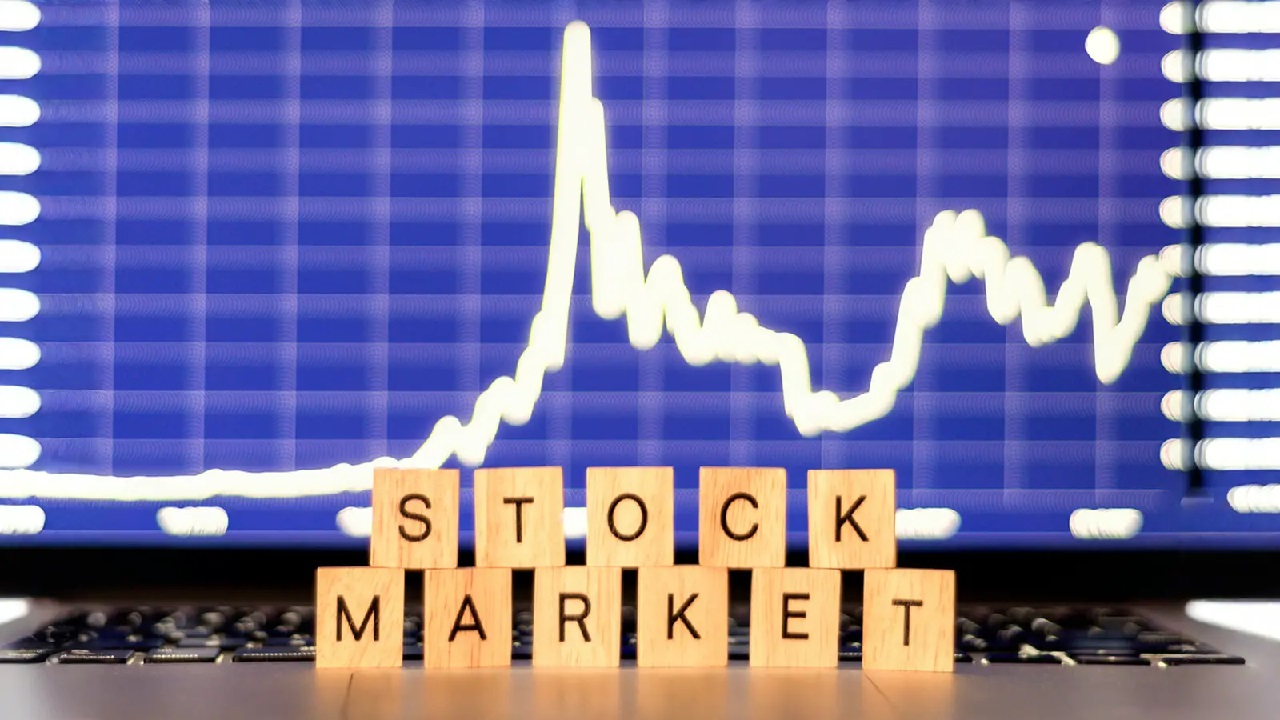
On January 9, 2026, Indian equity markets witnessed a significant downturn, with the BSE Sensex tumbling more than 600 points in early trade and the NSE Nifty50 also under pressure. This continued a multi-day slide that has erased substantial market capitalization and reflected rising apprehension among investors on Dalal Street. The catalyst? Heightened anxiety over looming U.S. tariff threats that could dramatically affect India’s export competitiveness, coupled with ongoing foreign portfolio investor outflows and muted global cues.
What Triggered the Market Bloodbath
The primary factor unsettling Indian markets is the spectre of sharply increased U.S. tariffs on imports linked to geopolitical leverage. Reports indicate that U.S. leadership is backing a bill that could see punitive duties of up to 500 % on goods from countries that continue to import Russian commodities—raising the stakes far above the existing tariff levels. This perceived escalation has rattled traders, especially in export-linked segments.
Export-oriented stocks, spanning textiles, leather, gems & jewellery, and other labour-intensive categories, have borne the brunt of the selloff as fear grips the market over potential declines in demand and competitiveness. Simultaneously, foreign institutional investors have continued to reduce equity positions, reinforcing downward pressure.
Analytical Deep Dive: Policy Playbook to Cushion Export Pain
1. Diplomatic and Trade Negotiations
One immediate avenue for India is to intensify diplomatic engagement with U.S. policymakers to seek tariff exemptions or phased implementation. Highlighting adjustments India has already undertaken—such as reducing reliance on Russian oil imports and shifting towards diversified energy sources—could form part of active lobbying efforts. Strengthening bilateral channels and leveraging plurilateral forums, including Quad discussions on trade, may help press India’s strategic importance and negotiate tariff rationalization.
Additionally, expediting stalled trade talks with the U.S. and working toward a comprehensive framework agreement could remove much of the policy uncertainty that markets are currently discounting.
2. Export Diversification and Market Access
India can also lessen its exposure to a single destination by deepening trade ties with alternative markets. This includes accelerating the negotiation of free-trade agreements with partners like the EU, ASEAN, and the UK, and expanding export promotion schemes such as the Remission of Duties and Taxes on Exported Products (RoDTEP). Targeted sectoral support—especially for textiles, footwear, and engineering goods—can help reposition exporters toward Brazil, Africa, and Southeast Asia, reducing sensitivity to U.S. tariff shifts.
3. Strengthening Domestic Buffers
On the home front, policy measures such as boosting export credit guarantees, interest rate subventions, and enhancing duty drawback rates can provide temporary relief to sectors hit by trade barriers. Further incentives for value-added manufacturing—especially in pharmaceuticals, engineering, and IT services that face lower tariff risk—can also help sustain growth momentum.
India could reinforce infrastructure and skill development to improve global competitiveness, while also challenging punitive tariffs through international legal channels if they violate World Trade Organization principles.
Navigating Policy Risks and Market Sentiment
The recent slip in benchmark indices is less about India’s broader economic fundamentals and more about risk repricing as global trade tensions escalate. While short-term volatility is a given amid tariff uncertainty and foreign outflows, long-term resilience depends on India’s ability to diversify export markets, strengthen domestic support mechanisms, and engage proactively on the diplomatic front. Prudent policy responses, clear communication from government and regulators, and progress in trade negotiations could restore investor confidence and reaffirm India’s growth narrative—even in the face of external trade headwinds.
(With agency inputs)