A Province Shaken in 24 Hours
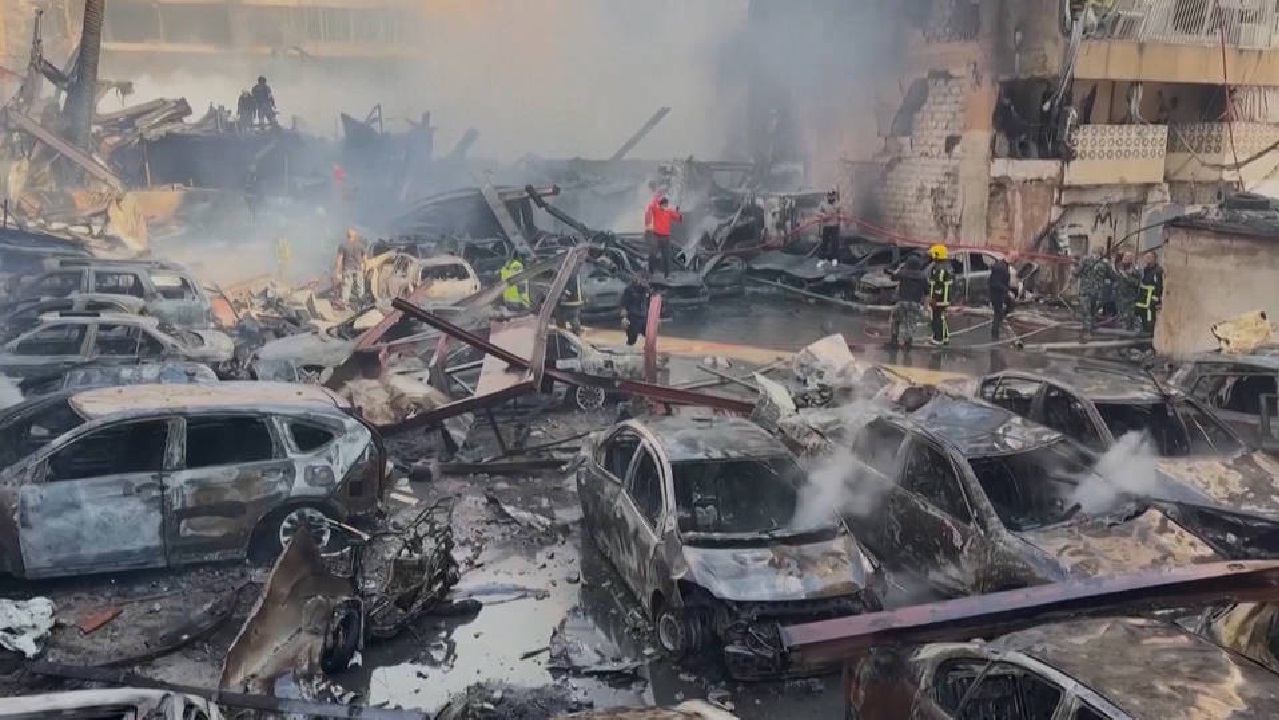
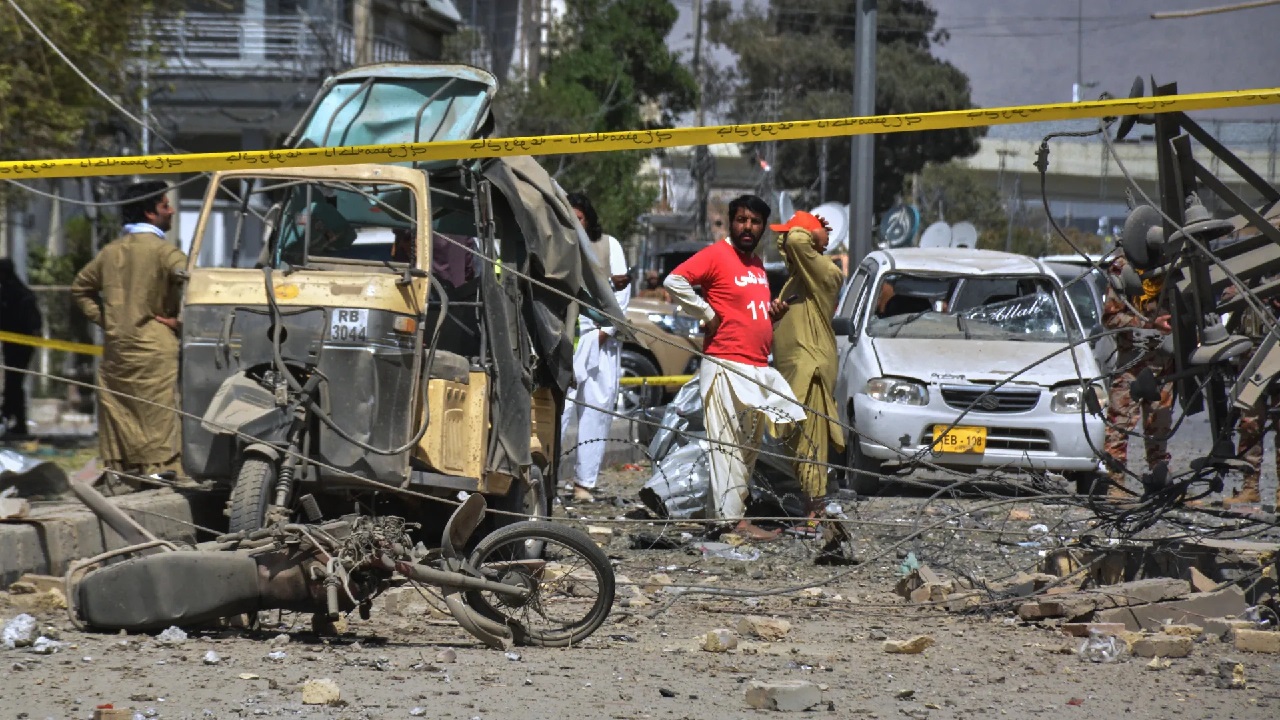
Balochistan, Pakistan’s most volatile province, was rocked by seven explosions within 24 hours between November 29 and 30, 2025, in what appears to be a coordinated surge in insurgent violence. The blasts—spread across Quetta and Dera Murad Jamali—targeted police posts, security patrols, and critical infrastructure. Although no fatalities were reported, two security guards were injured in grenade attacks, and essential equipment and telecom lines suffered damage. The rapid succession of explosions triggered panic across the region, forcing authorities to place the province on high alert.
Unpacking the Attack Sequence
The wave of violence began with hand grenades hurled at a police checkpoint in Quetta, soon followed by an IED detonation near an Anti-Terrorism Department vehicle. As the day progressed, three more explosions hit the outskirts of Lohr Karez—one disrupting the main telecom line linking Quetta to other regions—and a grenade strike on a police patrol in Dera Murad Jamali.
The next morning, two more grenades were launched at the Manzoor Shaheed police station, one of which was defused, along with another attack targeting the Kech Beg police post. Senior police officials reported that the attackers used motorcycles for quick entry and escape—long a hallmark of insurgent operations in Balochistan.
Who Likely Carried Out the Attacks?
While no outfit has claimed responsibility, the Baloch Liberation Army (BLA) and Balochistan Liberation Front (BLF) stand out as the most probable perpetrators. Their operational signatures—low-casualty grenade attacks, IED explosions in urban zones, and disruptive strikes on infrastructure—match the events of these 24 hours. Both groups have carried out similar attacks earlier in 2025 but often delay or withhold claims to avoid international scrutiny.
Secondary possibilities include the Baloch Republican Army (BRA) or affiliated factions, known for motorcycle-mounted hit-and-run tactics. Conversely, Islamist groups such as TTP or IS-K appear unlikely given their preference for high-fatality suicide bombings rather than symbolic sabotage.
Motives Behind the Escalation
The motives behind the attacks can be traced to long-standing grievances in Balochistan:
· Perceived Economic Exploitation: Militants frame attacks as resistance against disproportionate resource extraction, especially gas and minerals.
· Opposition to CPEC Projects: Disrupting telecom lines, construction sites, and transport infrastructure aligns with separatist hostility toward Chinese investments in Gwadar, which they view as encroachment on local territories.
· Psychological Warfare: Multiple low-casualty explosions create maximal public anxiety with minimal operational cost, undermining the state’s claim of restoring order.
· Political Timing: The attacks appear timed to exploit post-election instability and stretched Pakistani military deployments.
By injuring security guards and damaging development-linked assets, the perpetrators aimed to signal their continued operational reach and willingness to sabotage economic progress.
Strategic Implications for Pakistan
The seven blasts underscore persistent vulnerabilities in Pakistan’s counter-insurgency apparatus. Despite years of military operations, separatist networks retain mobility along the porous borders with Iran and Afghanistan. Continued low-intensity violence threatens to imperil foreign investment, particularly China’s CPEC infrastructure, while further eroding public confidence in the state’s ability to protect its largest province.
Ongoing unrest also risks inflaming ethnic tensions, straining federal–provincial relations, and compelling heavier security responses that could trigger human-rights concerns.
A Resilient Insurgency, An Uncertain Road Ahead
Balochistan’s latest spasm of violence reaffirms a hard reality: the insurgency remains deeply entrenched despite years of military pressure. The coordinated blasts reflect a strategic insurgent calculus—maximize disruption, minimize exposure, and steadily undermine the state’s development agenda. Without meaningful political dialogue, economic inclusion, and stronger intelligence coordination, Pakistan is likely to face recurring cycles of unrest in this strategically vital but chronically neglected province.
(With agency inputs)