Prime Minister Narendra Modi chaired a Cabinet Committee on Security (CCS) meeting to review the evolving situation arising from the ongoing conflict in West Asia and assess India’s preparedness to mitigate its impact. Convened on March 22, 2026, the high-level session reflected urgency as geopolitical tensions intensified, with ripple effects threatening global energy markets, trade flows, and economic stability. The meeting underscored India’s intent to stay ahead of disruptions while safeguarding domestic interests.
Conflict Context and Global Stakes
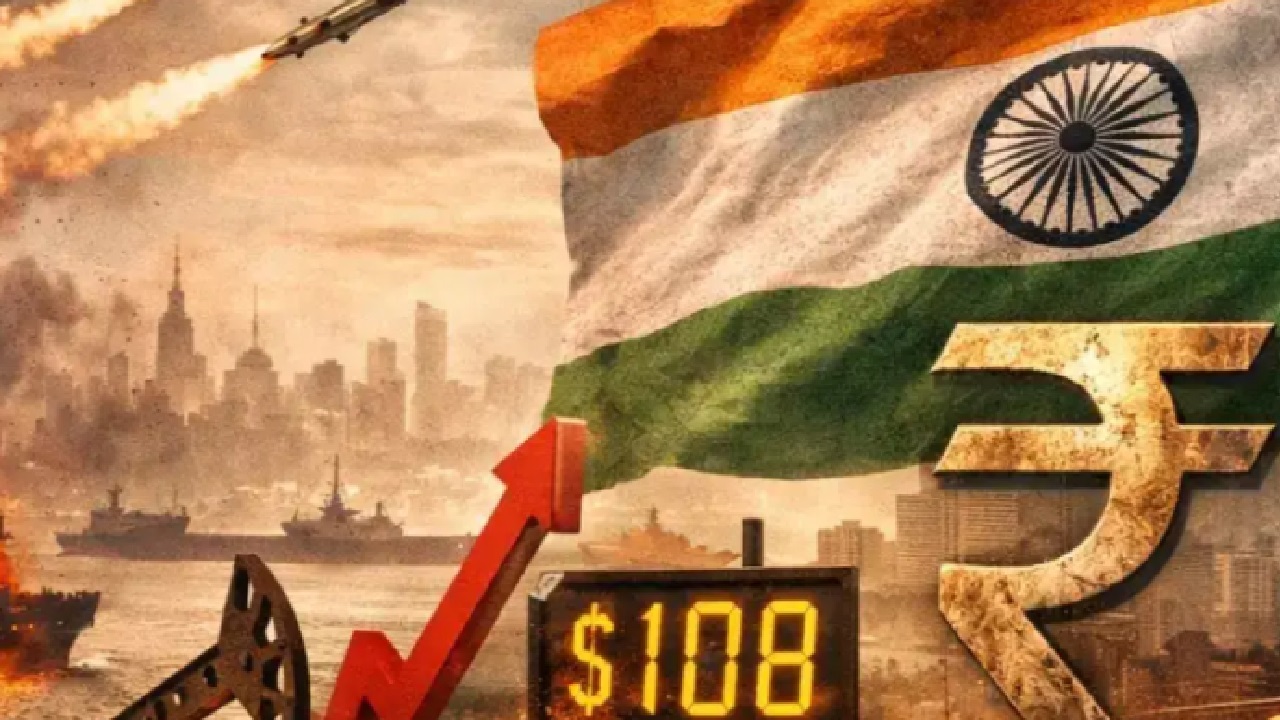
The crisis in West Asia escalated sharply following coordinated US-Israel strikes on Iran on February 28, 2026, triggering retaliatory actions and destabilizing critical maritime routes, particularly the Strait of Hormuz. This corridor, vital for global oil shipments, has seen disruptions, sending crude prices upward and injecting volatility into international markets.
For India, the implications are profound. As one of the world’s largest energy importers, relying heavily on Gulf nations for crude oil and liquefied natural gas, the country faces heightened vulnerabilities. Rising oil prices are pressuring the rupee, inflating import bills, and posing risks to fiscal balance, trade deficits, and inflation. The interconnected nature of global supply chains further compounds these challenges.
Securing Essentials and Economic Stability
A key priority of the CCS meeting was ensuring uninterrupted access to essential commodities—food, fuel, and energy. Detailed strategies were discussed across short-, medium-, and long-term horizons. These include diversifying import sources for critical sectors such as chemicals, pharmaceuticals, and petrochemicals, alongside identifying new export markets to offset potential disruptions.
Energy preparedness featured prominently. The government confirmed that coal reserves at power plants remain sufficient to meet seasonal demand, reducing the risk of electricity shortages. Additionally, India’s crude oil reserves, estimated at around 25 days of supply, provide a temporary buffer against immediate shocks, further supported by increased procurement from alternative suppliers.
Prime Minister Modi also emphasized protecting citizens from indirect fallout, directing states to remain vigilant against hoarding and black-marketing. This reflects a broader concern about inflationary pressures and supply-side constraints affecting everyday life.
A Whole-of-Government Approach
Recognizing the complexity of the crisis, the CCS adopted a “whole-of-government” strategy. Dedicated groups comprising ministers and senior officials have been tasked with real-time monitoring, rapid decision-making, and coordinated execution. Sector-specific teams will engage closely with industry stakeholders to ensure responsiveness and adaptability.
This institutional mechanism is designed to function as a “war-room,” enabling swift policy adjustments as the situation evolves. It also builds on India’s prior efforts to diversify energy sources and strengthen economic resilience, reducing long-term dependence on any single region.
Broader Strategic Implications
Beyond immediate concerns, the CCS acknowledged the broader economic and geopolitical consequences of a prolonged conflict. Supply chain disruptions, export challenges, and sustained energy price volatility could reshape global trade dynamics. For India, this necessitates a careful balancing act—protecting growth while navigating an increasingly fragmented global order.
Resilience Through Preparedness
India’s response to the West Asia crisis reflects a calibrated blend of caution and strategic foresight. By prioritizing energy security, economic stability, and coordinated governance, the country is positioning itself to withstand external shocks. While uncertainties persist, the proactive measures outlined by the CCS signal a clear commitment: to transform vulnerability into resilience and ensure that national interests remain protected in an unpredictable world.
(With agency inputs)