A War Recasting West Asia’s Power Balance
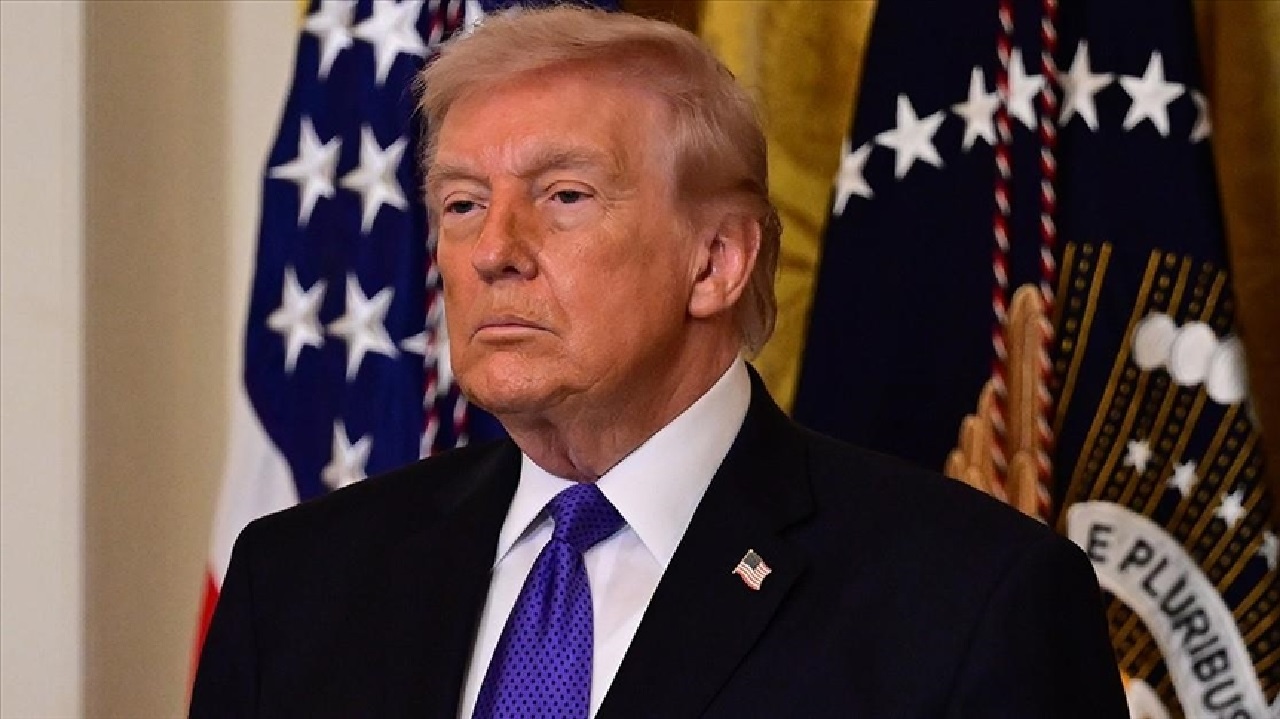
The US–Israel–Iran conflict, which erupted on February 28, 2026, has fundamentally reshaped the geopolitical landscape of West Asia. Joint American and Israeli air operations—code-named “Operation Epic Fury” and “Operation Roaring Lion”—struck Iranian nuclear installations, military assets, and top leadership figures, culminating in the killing of Iran’s Supreme Leader, Ali Khamenei. The targeted elimination of a sitting head of state, reportedly amid sensitive diplomatic exchanges, has sparked intense international debate over sovereignty and the rules of engagement.
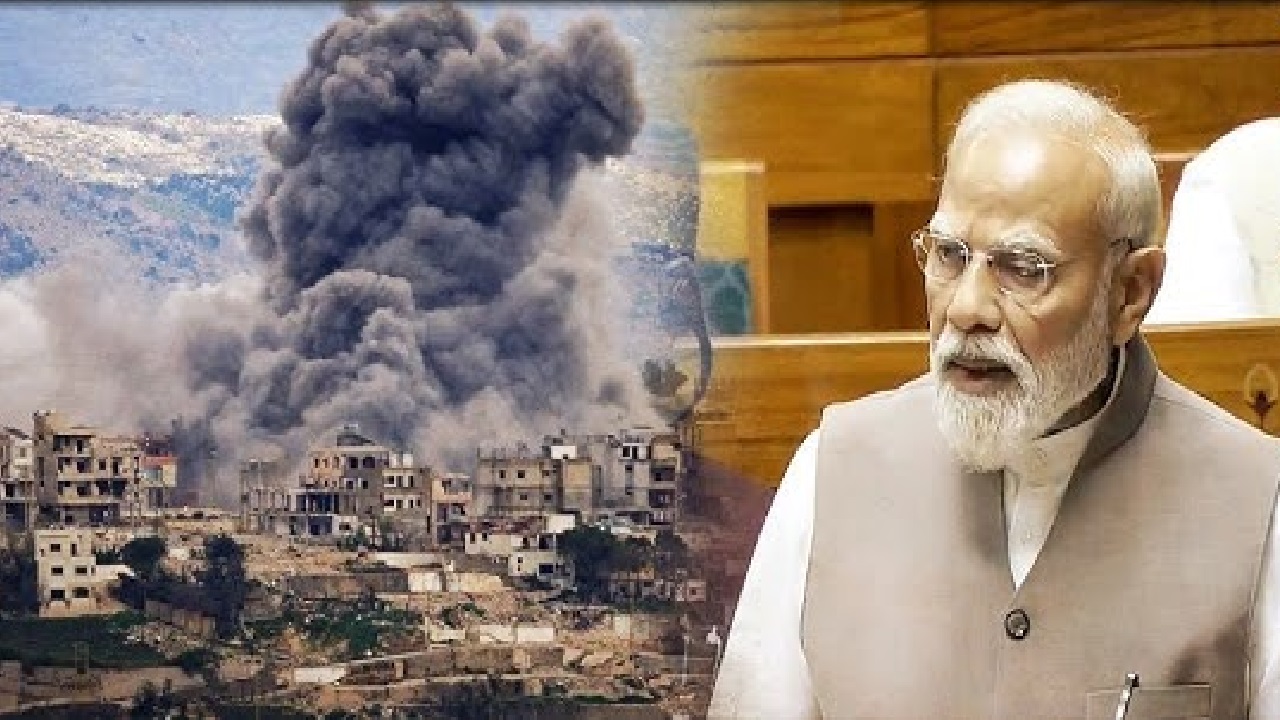
Tehran responded with massive missile and drone attacks across the Gulf, striking US bases and allied territories. The conflict quickly expanded beyond Iranian borders, marked by a drone strike on the American embassy in Riyadh. Amid this rapidly escalating crisis, India’s measured reaction—or what critics describe as silence—has triggered a heated political discourse at home.
Sonia Gandhi’s Sharp Critique
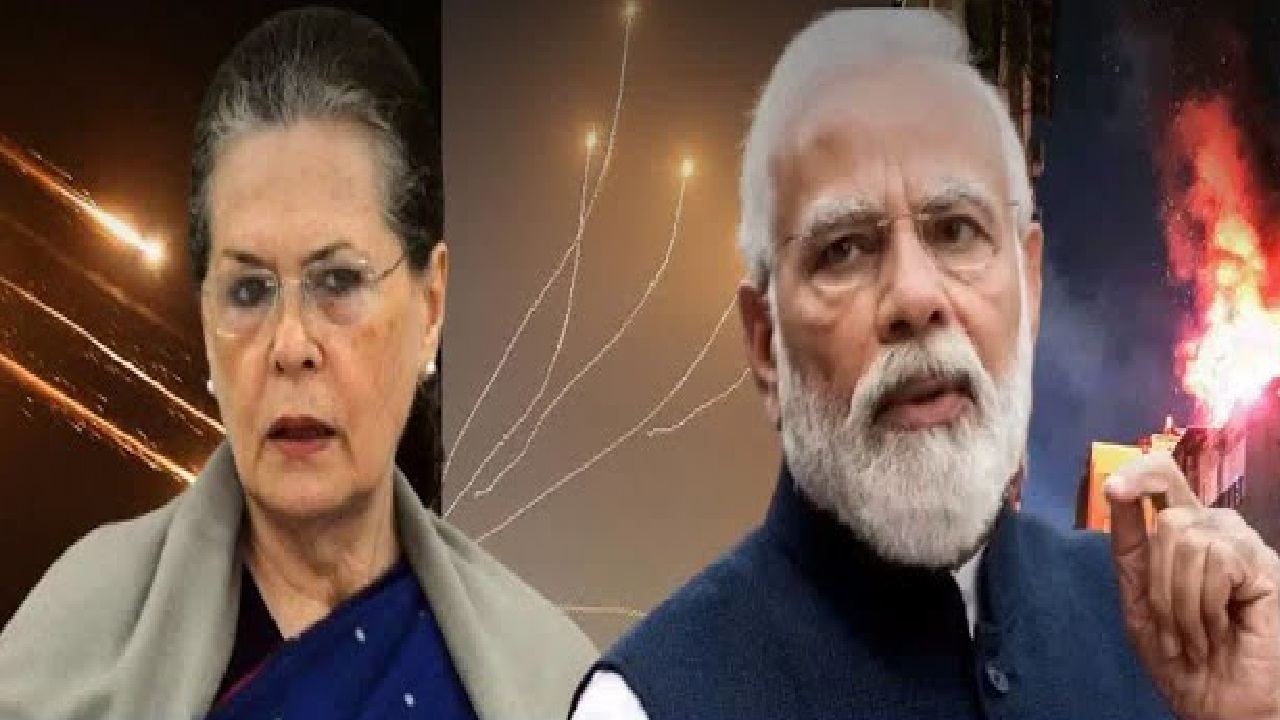
Sonia Gandhi, chairperson of the Congress Parliamentary Party, has openly criticized the Modi government’s silence on the US–Israel strikes. In an op-ed published in The Indian Express, she described New Delhi’s stance as “an abdication, not neutrality,” arguing that silence in the face of such actions amounts to tacit endorsement.
Gandhi characterized the February 28 bombings and Khamenei’s killing as a “grave rupture” in international relations, asserting that they violated Iran’s sovereignty and principles enshrined in the UN Charter. She warned that such targeted assassinations risk normalizing regime-change doctrines and destabilizing an already fragile region.
Congress, she emphasized, has unequivocally condemned the attacks, framing them as dangerous escalatory steps with far-reaching global consequences.
Call for Parliamentary Debate
Gandhi has demanded a full debate during Parliament’s Budget Session (second part), pressing the government to clarify India’s foreign policy position. She questioned why Prime Minister Narendra Modi condemned Iran’s retaliatory actions in the UAE but refrained from criticizing what she termed the “unprovoked” US–Israel strikes.
According to her, subsequent calls for “dialogue and de-escalation” are insufficient without acknowledging the triggering event. By invoking Article 51 of the Indian Constitution—which encourages the promotion of international peace—Gandhi positioned her critique within a constitutional and moral framework.
Modi Government’s Calibrated Response
The Modi government has maintained a carefully balanced stance, urging restraint, diplomacy, and de-escalation without directly condemning Washington or Tel Aviv. This measured approach reflects India’s complex strategic interests.
Before sanctions, Iran supplied 10–15% of India’s oil needs, and the Chabahar port remains crucial for India’s connectivity to Afghanistan and Central Asia. Simultaneously, India’s partnerships with the United States and Israel are vital for defense procurement, intelligence cooperation, and advanced technology transfers.
India’s abstentions in previous UN votes on contentious West Asian issues underscore its commitment to strategic autonomy. Officials argue that explicit condemnation could entangle New Delhi in great-power rivalries at a time when stability is paramount.
Strategic Stakes and Domestic Pressures
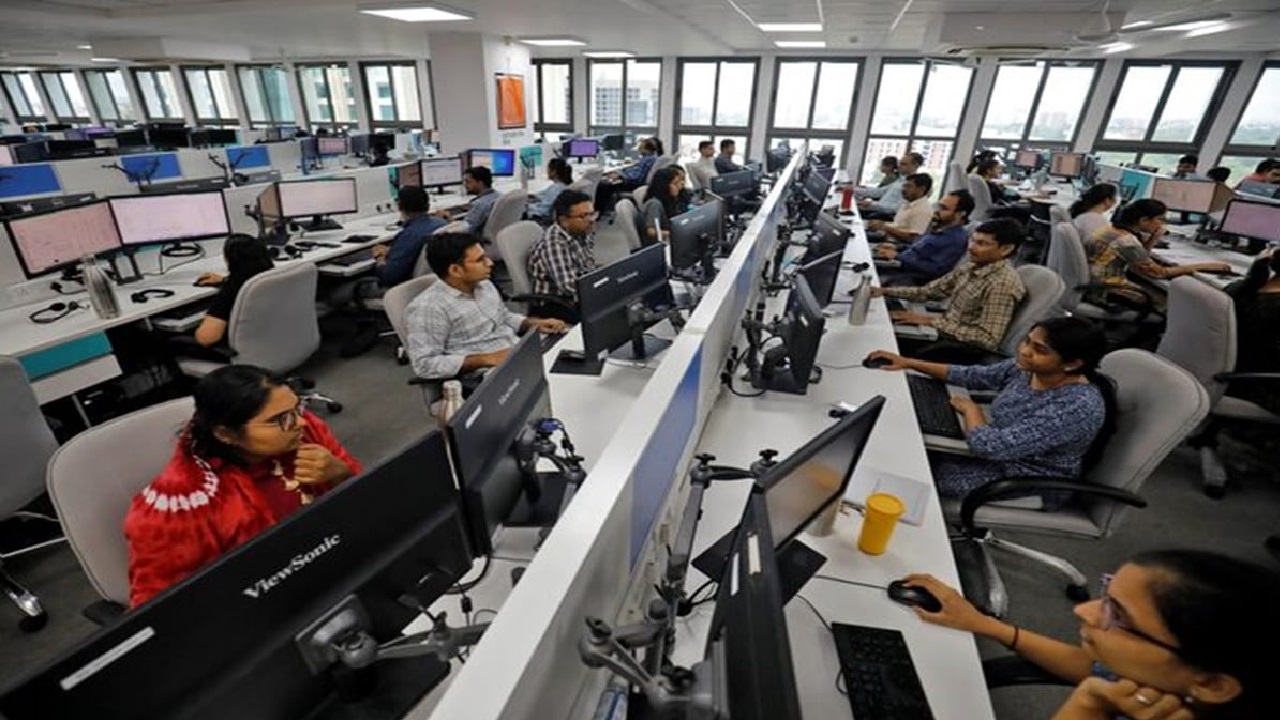
The fallout from Khamenei’s assassination and Iran’s retaliation has already affected India materially. With 8–10 million Indians residing in Gulf countries, airspace closures and security risks have stranded thousands and heightened anxiety among expatriate communities. Rising oil prices threaten domestic inflation.
Gandhi’s intervention has therefore resonated beyond ideology. It amplifies concerns about diaspora safety, evacuation planning, and India’s long-term balancing act between Tehran and its Western allies.
Politically, the issue sharpens contrasts between Congress’s emphasis on multilateralism and the BJP’s pragmatic, interest-driven diplomacy. With key state elections approaching, foreign policy has unexpectedly entered the domestic battleground.
Neutrality Under Scrutiny
The debate over India’s response to the US–Israel strikes on Iran is more than partisan sparring—it reflects a deeper question about the country’s role in a turbulent multipolar world. Is restraint a sign of strategic maturity, or does silence erode moral credibility?
As West Asia edges toward prolonged instability, India’s balancing act grows more delicate. A parliamentary debate, as demanded by Sonia Gandhi, may not alter policy overnight, but it could clarify the principles guiding India’s engagement. In times of global upheaval, the test of leadership lies not only in preserving interests, but also in articulating values.
(With agency inputs)