

A Veteran Politician in Custody
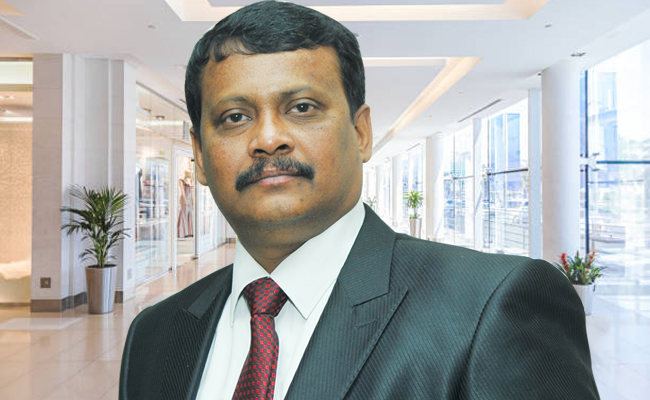
Ranil Wickremesinghe, Sri Lanka’s long-time political stalwart and former president, was arrested on Friday over allegations of misusing public money for private travel. The 76-year-old, who briefly steered the country through its financial meltdown in 2022, now faces one of the most serious challenges of his career. The arrest marks a dramatic turn for a leader who once carried the reputation of being a stabiliser during Sri Lanka’s darkest economic hours.
Allegations of Misuse
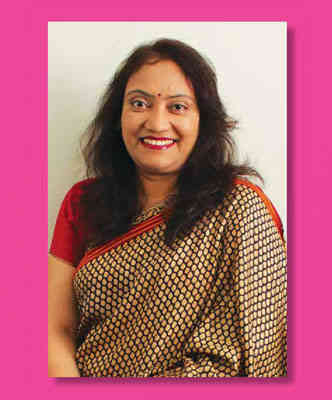
According to the Criminal Investigation Department (CID), Wickremesinghe diverted government resources to cover expenses for a 2023 trip to London, where he attended his wife Professor Maithree Wickremesinghe’s convocation at the University of Wolverhampton. While the stop in London followed an official visit to Havana for the G77 summit, investigators argue that the UK leg was a private detour funded by the state.
The charges include not only flight and travel costs but also expenses incurred for his security detail. Police confirmed he would be produced before the Colombo Fort Magistrate’s Court. Earlier, members of his presidential staff, including former secretary Saman Ekanayake and private secretary Sandra Perera, were interrogated in connection with the trip.
Wickremesinghe’s Defence
The former president has firmly rejected the accusations, calling them “false and misleading.” His office insists no state money was used and maintains that his wife covered her own expenses. The statement also denied the existence of a Wolverhampton ceremony on the dates cited, promising a legal rebuttal once his counsel reviews the case.
Despite these denials, Friday’s arrest places him among the highest-ranking Sri Lankan politicians to face detention in recent years, intensifying scrutiny of elite accountability.
A Checkered Political Journey
Wickremesinghe’s career spans nearly five decades. First elected to parliament in 1977, he went on to serve six terms as Prime Minister before assuming the presidency in July 2022 after Gotabaya Rajapaksa resigned amid public fury over corruption and economic collapse.
Though credited with stabilising Sri Lanka’s currency and securing IMF support during his presidency, Wickremesinghe’s legacy has been clouded by controversy. The Batalanda Commission in the 1990s accused him of administrative responsibility over alleged torture camps targeting political opponents, though he was never criminally charged. The shadow of those allegations continues to follow him.
India-Sri Lanka Relations During His Tenure
During his short presidency, Wickremesinghe worked to strengthen Colombo’s partnership with New Delhi. India emerged as Sri Lanka’s lifeline during the 2022 financial collapse, providing crucial credit lines for fuel, medicines, and food. Wickremesinghe often praised India’s role in stabilising Sri Lanka’s economy and supported regional cooperation. However, balancing ties with both India and China remained a recurring challenge, with Colombo navigating pressures from both powers.
A Signal in the Anti-Corruption Drive
The arrest comes at a time when Sri Lanka’s public is demanding deeper reforms and accountability after years of mismanagement. Legal experts argue that taking action against a leader of Wickremesinghe’s stature suggests a broader willingness by authorities to target high-level corruption. More prominent names could face investigation in the months ahead.
A Turning Point for Sri Lanka
Ranil Wickremesinghe’s arrest is not merely a personal setback but a significant moment in Sri Lanka’s political narrative. It underscores the fragile balance between public trust, accountability, and the privileges of high office. Whether the charges hold up in court remains to be seen, but the episode is likely to shape the debate on political integrity and governance in a country still recovering from economic and institutional crises.
If pursued transparently, this case could mark the beginning of a new era of accountability. If mishandled, however, it risks deepening public cynicism toward the nation’s political class.
(With agency inputs)