Top Court Questions Pre-Election Handouts
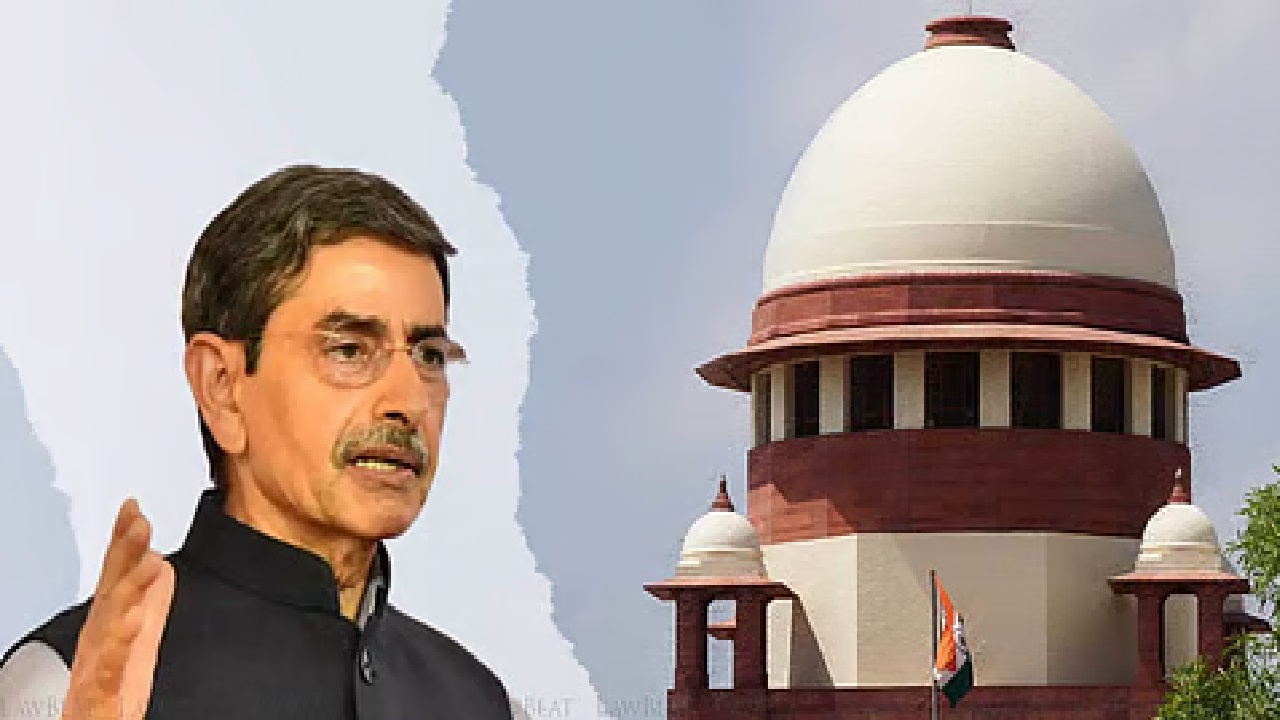
The Supreme Court of India came down sharply on Thursday morning against the practice of pre-election giveaways by state governments, warning that indiscriminate “freebies” risk draining public finances and undermining long-term development. A bench led by Chief Justice Surya Kant questioned the fiscal logic behind universal schemes such as free electricity, asking how such measures are funded and whether they crowd out essential public investment. Notices were issued to both the Tamil Nadu government and the Centre, signalling the possibility of broader scrutiny of welfare promises across states.
The court’s remarks came in response to a plea linked to the state power utility’s free electricity scheme, which provides benefits irrespective of income. Judges warned that unchecked populist spending could weaken budgets, erode fiscal discipline, and divert resources from infrastructure and job creation.
Judicial Concerns: Fiscal Drain and Policy Distortion
The bench observed that widespread handouts—free electricity, consumer goods, and transport benefits—risk leaving “not a penny” for development if not carefully budgeted. It also flagged the broader political trend of last-minute welfare announcements before elections, suggesting that such measures distort fiscal planning and create a cycle of competitive populism among parties.
Beyond finances, the court raised sociological concerns, noting that extensive subsidies without productivity-linked outcomes may affect work incentives and long-term economic resilience. While not singling out one state alone, the remarks placed Tamil Nadu’s extensive welfare network at the centre of the debate.
Economic Impact on Tamil Nadu’s Finances
Tamil Nadu’s welfare commitments are estimated to cost between ₹45,000 crore and ₹50,000 crore annually, placing significant pressure on the state’s fiscal position. Outstanding liabilities have crossed ₹8 lakh crore, roughly one-third of its gross state domestic product, with interest payments alone consuming a substantial portion of annual revenue.
Free electricity schemes alone account for thousands of crores each year, contributing to mounting losses in the power sector. The state utility’s cumulative losses and subsidy burden have forced increased borrowing, limiting fiscal space for infrastructure investment. As a result, capital expenditure has remained comparatively low, affecting road construction, power-grid upgrades, and public-service expansion.
The revenue deficit has widened in recent years, with subsidy spending accounting for a large share of total expenditure. Economists warn that this imbalance can slow growth by reducing funds available for productivity-enhancing projects such as transport networks, healthcare facilities, and industrial infrastructure. Persistent borrowing to fund recurring subsidies also raises concerns about long-term debt sustainability and credit ratings.
Political and Social Trade-Offs
Despite fiscal stress, welfare schemes remain politically influential. Subsidies and free services have historically helped parties secure electoral support and address short-term cost-of-living pressures. Some initiatives—such as bicycles or educational devices—have delivered measurable social benefits.
However, economists and policy advisers argue that universal subsidies often benefit higher-income households as well, diluting their impact on the poorest. Targeted transfers or job-creation programmes may offer more sustainable outcomes while preserving fiscal discipline. The court’s suggestion that a fixed share of revenue be reserved for infrastructure reflects a push toward balancing welfare with long-term growth.
Toward a Sustainable Welfare Model
The Supreme Court’s intervention has reopened a long-standing debate over the role of subsidies in India’s political economy. Tamil Nadu’s experience illustrates both the benefits and the risks of expansive welfare commitments: while they can provide immediate relief and political stability, they may also strain public finances if not carefully targeted and funded.
Going forward, states may need to recalibrate welfare policies toward more targeted assistance, stronger fiscal accountability, and higher investment in growth-enhancing infrastructure. A balanced approach—combining social support with sustainable budgeting—will be crucial to ensuring that welfare schemes strengthen rather than weaken long-term economic development.
(With agency inputs)