


Origins of the JF-17 Thunder
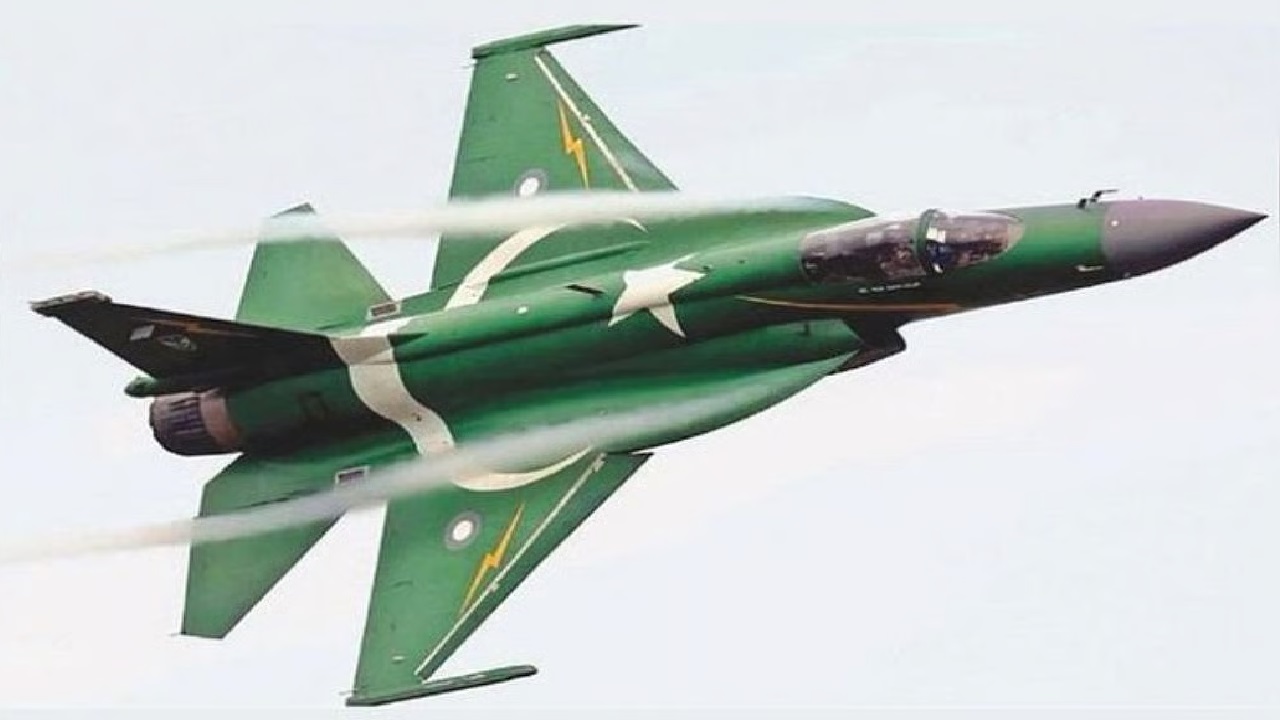
The JF-17 Thunder is a lightweight, single-engine, multi-role fighter aircraft positioned in the 4.5-generation category. It emerged from a 1998 joint venture between Pakistan Aeronautical Complex (PAC) at Kamra and China’s Chengdu Aircraft Corporation, conceived to replace the Pakistan Air Force’s ageing Mirage III/V and F-7 fleets. Designed with affordability as its core selling point, the aircraft entered serial production in 2007 and has since evolved through multiple variants, with the latest Block III featuring an AESA radar, advanced avionics, helmet-mounted sighting, and compatibility with long-range air-to-air missiles. With an estimated unit cost far lower than Western fighters, the JF-17 has become Pakistan’s flagship export defence product.
Export Momentum and Pakistan’s Growing Strain
In recent months, Pakistan has faced a paradox: rising international interest in the JF-17 just as its ability to deliver aircraft at scale is being tested. Countries such as Bangladesh, Iraq, and Indonesia are reportedly exploring acquisitions, while others in West Asia and Africa view the jet as a cost-effective alternative to expensive Western platforms.
However, this demand surge comes at a time when PAC Kamra’s production capacity remains limited, producing fewer than 20 aircraft annually. Compounding the issue is Pakistan’s continued dependence on China for critical components, including engines and avionics. With domestic squadron requirements taking priority, export commitments risk delays—exposing structural weaknesses in Pakistan’s defence manufacturing ecosystem.
Why India Is Watching Closely
For India, the growing visibility of the JF-17 is less about the aircraft alone and more about the strategic ripples it could create. Expanded exports would help Pakistan sustain and modernise its air force while strengthening defence ties with countries in India’s neighbourhood. A potential JF-17 induction by Bangladesh, for instance, would be closely scrutinised in New Delhi given regional sensitivities in eastern India.
That said, Indian assessments remain cautious rather than alarmist. The Indian Air Force continues to field a qualitative edge through platforms such as the Rafale and indigenous fighters, supported by superior airborne early-warning systems, training standards, and network-centric warfare capabilities.
JF-17 vs Tejas: A Comparative Assessment
When compared with India’s HAL Tejas Mk1A, the JF-17 reveals a classic quantity-versus-quality contrast. The JF-17 offers slightly longer range and a marginally higher service ceiling, making it attractive for air forces prioritising endurance and cost. Its payload capacity, however, is lower, and its airframe relies more heavily on conventional alloys.
The Tejas Mk1A, by contrast, benefits from extensive use of composites, resulting in a lower radar cross-section and better agility. Its more powerful engine, advanced flight-control system, and indigenous electronic warfare suite give it an edge in close-combat manoeuvring and survivability. While the Tejas is marginally more expensive per unit, India’s expanding production capacity and higher indigenous content reduce long-term lifecycle costs and strategic dependence.
Limited Threat, Clear Lessons
The JF-17 Thunder’s rising export profile highlights Pakistan’s ambition to position itself as a low-cost fighter supplier—but also exposes the constraints of its industrial base and reliance on China. For India, the aircraft does not fundamentally alter the regional air power balance, yet it reinforces the importance of accelerating indigenous fighter programmes. As New Delhi scales up Tejas production and advances next-generation projects, the contrast becomes clear: sustainable air power rests not just on selling jets cheaply, but on mastering technology, manufacturing depth, and strategic autonomy.
(With agency inputs)