


A Nation in Turmoil
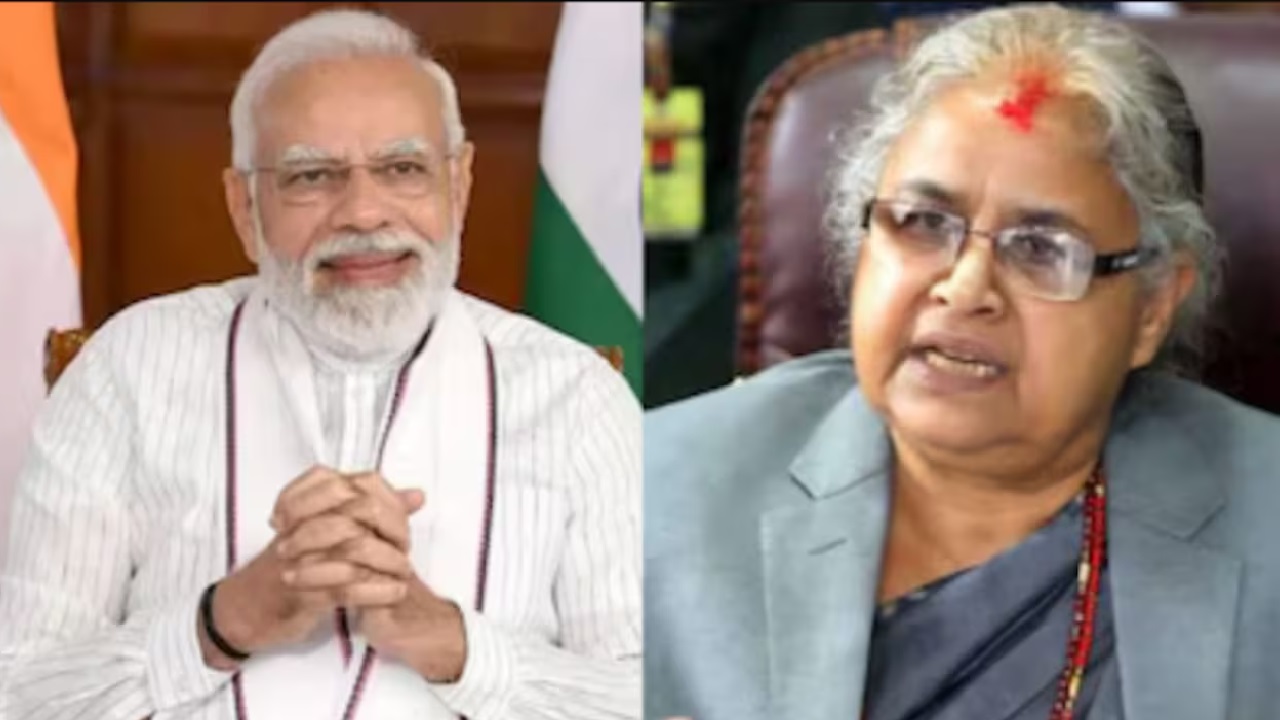
Nepal, which has witnessed repeated political disruptions over the past two decades, is once again at a crossroads. The recent resignation of Prime Minister KP Sharma Oli amid violent youth-led demonstrations has left the Himalayan nation grappling with instability. In response, President Ram Chandra Paudel appointed Sushila Karki as the head of an interim government, marking the first time a woman has led the country as prime minister. Against this turbulent backdrop, Indian Prime Minister Narendra Modi held talks with Karki, expressing condolences for lives lost and pledging India’s continued support for peace and stability in its neighbour.
India’s Diplomatic Outreach
Prime Minister Modi’s phone call to Karki was both symbolic and strategic. He conveyed heartfelt sympathies for the deaths of at least 74 protesters and injuries to more than 2,300 during the so-called “Gen Z protests,” which erupted over governance failures and youth disenchantment. Modi underscored that “peace and prosperity of Nepal are of utmost importance” and extended greetings ahead of Nepal’s National Day on September 19. His outreach also reaffirmed India’s role as a steady partner in Nepal’s quest for stability.
The Ministry of External Affairs later reinforced this sentiment, noting that India “will continue to work closely with Nepal for the well-being and prosperity of our two peoples and countries.” For India, Nepal’s internal calm is critical, not only due to shared cultural ties and an open border but also because unrest in Kathmandu inevitably reverberates in New Delhi.
The Rise of Sushila Karki
Karki’s appointment followed days of political haggling after Oli resigned under pressure from widespread protests. As the first woman to assume Nepal’s premiership, her elevation carries symbolic significance. Yet her tenure is temporary: her foremost task is to oversee the dissolution of the House of Representatives and prepare for fresh elections scheduled for March 2026.
Karki inherits a fragile system with frayed legitimacy. Her early decisions, particularly the recommendation to dissolve parliament, indicate a desire to reset Nepal’s political landscape. However, whether she can balance competing party interests while addressing public anger remains an open question.
Democratic Fragility in Nepal
Nepal’s democratic journey since the abolition of monarchy in 2008 has been anything but smooth. The country has seen over a dozen governments in just 16 years, with prime ministers frequently ousted due to factional rivalries and fragile coalitions. Even after adopting a new constitution in 2015, the cycle of instability has persisted.
Recent events highlight this fragility. The police crackdown on young protesters not only led to tragic loss of life but also further eroded public trust in political institutions. With more than 70 deaths and thousands injured, the state’s heavy-handed response has deepened the perception that leaders are disconnected from citizens’ aspirations. Surveys conducted by regional think tanks in recent years consistently show declining faith in parliament, political parties, and governance processes.
Implications for India and the Region
For India, political volatility in Nepal presents both challenges and responsibilities. Instability risks creating vacuums that external actors, particularly China, may exploit. Moreover, unrest in Nepal often spills over to border districts in India, affecting trade, security, and cultural exchanges. By engaging directly with Karki and signaling diplomatic backing, India is attempting to steady the waters without appearing interventionist.
For the broader South Asian region, Nepal’s troubles are a reminder of the fragility of democratic transitions in societies where institutions remain weak and public frustration is mounting. Youth-led protests, such as those in Kathmandu, underline the generational demand for accountability and reform, pressures that other regional governments cannot afford to ignore.
The Road Ahead for Nepal
Sushila Karki’s interim leadership arrives at a critical juncture for Nepal’s democracy. Her immediate challenge lies in restoring calm, building trust, and creating conditions for credible elections. While symbolic breakthroughs—such as her being the first woman prime minister—matter, the real test will be her ability to manage competing political demands and address citizens’ grievances.
For India, reaffirming support for Nepal’s peace and democratic process reflects both solidarity and strategic necessity. Ultimately, Nepal’s future will depend on whether its leaders can learn from past turbulence, strengthen institutions, and meet the aspirations of its restless youth. Stability in Kathmandu is not only vital for Nepalis themselves but also for the wider region that shares in both the promise and the peril of Nepal’s political journey.
(With agency inputs)