A Clash of Trade Agendas
The global trade stage has once again been unsettled by U.S. President Donald Trump’s latest tariff salvo, this time targeting nations that impose digital services taxes on American technology giants. While Trump insists such levies unfairly disadvantage U.S. companies, India has responded by reinforcing its commitment to protect its farmers, small traders, and entrepreneurs—even as Washington escalates tariffs on Indian exports. This standoff signals a deeper confrontation between economic nationalism in Washington and grassroots resilience in New Delhi.
Trump’s Digital Tax Offensive
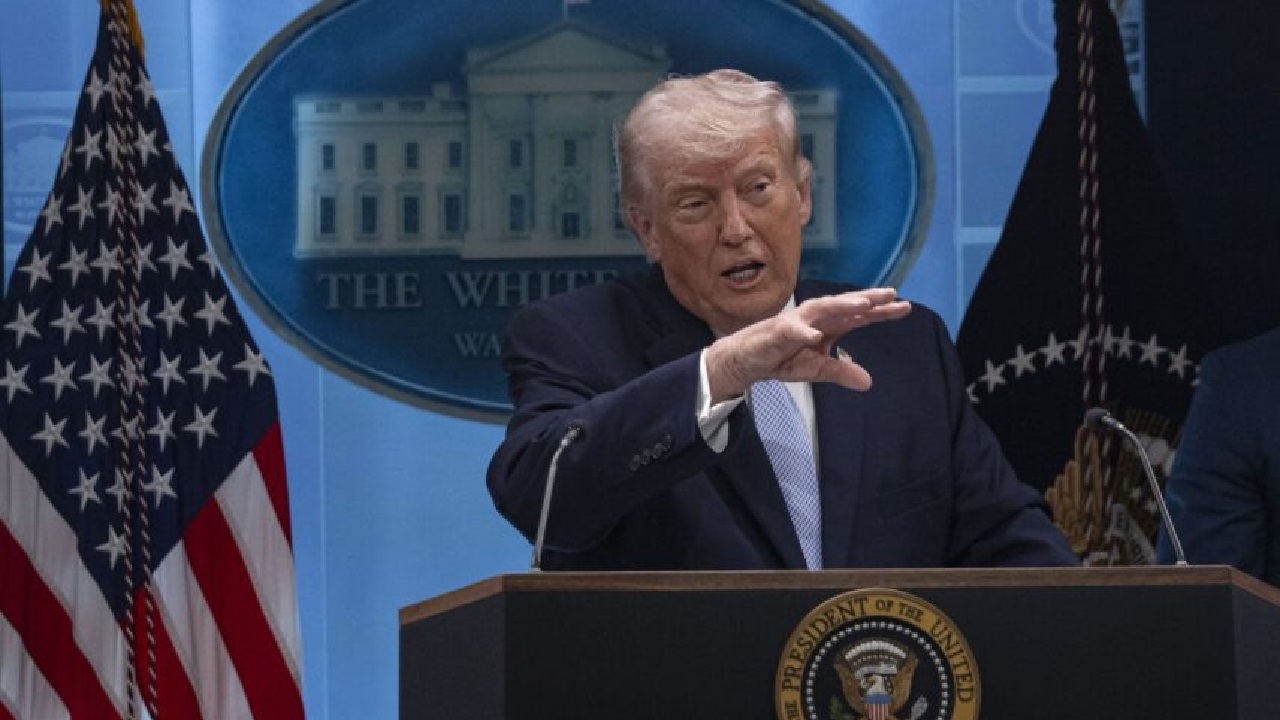
President Trump has long argued that digital services taxes—designed to regulate large tech platforms—are intentionally discriminatory toward American firms such as Alphabet, Amazon, and Meta. Taking to Truth Social, he condemned these policies as biased, alleging that they create loopholes favoring Chinese technology conglomerates while targeting U.S. companies.
In a forceful declaration, Trump announced that his administration would not only introduce new tariffs but also restrict American chip exports to countries imposing such measures. His message was blunt: either eliminate these taxes or face “substantial” economic consequences. “America is not the piggy bank of the world,” he warned, making clear that U.S. tech dominance is non-negotiable under his leadership.
A Broader Strategy of Pressure
The tariff threat is part of a wider push by Washington to recalibrate global trade rules. Earlier, the U.S. and the European Union pledged not to impose customs duties on electronic transmissions and vowed to tackle “unjustified trade barriers.” Yet, this cooperative spirit did not extend to other partners. Canada saw trade talks collapse over similar tax disputes, and now India has been thrust into the spotlight.
On August 27, the U.S. will activate a fresh round of tariffs on Indian imports—an additional 25 percent—marking a sharp escalation. The official notification framed India’s inclusion as linked to broader geopolitical risks involving Russia, reflecting Washington’s displeasure with New Delhi’s continued energy trade with Moscow.
Strain in Indo-U.S. Relations
Indo-U.S. ties, once bolstered by shared strategic interests, are showing signs of strain. Trump’s latest tariff decision follows earlier hikes that have already doubled duties on some Indian goods, taking total tariffs to nearly 50 percent. The punitive measures are designed to pressure India into aligning with American foreign policy priorities, particularly regarding energy supplies.
For New Delhi, however, the issue extends beyond numbers. It raises questions of sovereignty and fairness in global trade negotiations. India has consistently maintained that its policies, including digital taxation, are aimed at ensuring a level playing field for domestic businesses, not at targeting any single nation.
India’s Response: Modi’s Defiant Stand
Speaking in Ahmedabad on August 26, Prime Minister Narendra Modi directly addressed the economic pressure, promising citizens that India would not capitulate. Emphasizing self-reliance and protection of grassroots stakeholders, he assured farmers, shopkeepers, and small entrepreneurs that their interests remain paramount.
Modi’s message carried both reassurance and defiance: “Today the world operates on economic self-interest. We see this clearly, and no matter how much pressure comes, India will strengthen its capacity to withstand it.” By invoking the legacy of Gandhi’s land, Modi positioned India’s response as not just an economic defense but also a moral stand against coercive trade tactics.
The Stakes for India’s Economy
The additional tariffs undoubtedly present challenges for Indian exporters, particularly in sectors already grappling with global slowdown pressures. Small manufacturers may face tighter margins, while agricultural exports could see reduced competitiveness in American markets. However, India’s growing domestic market, diversification of trade partnerships, and focus on self-reliance provide some cushioning.
Moreover, New Delhi has been steadily expanding its engagement with alternative partners across Asia, Africa, and Latin America, reducing dependence on any single market. Analysts suggest that while tariffs will sting in the short term, India’s longer-term strategy of balancing global alliances could mitigate the fallout.
Building Strength Through Resilience
Trump’s latest tariff threat underscores a fundamental clash between Washington’s defense of its tech titans and India’s determination to safeguard its small producers and national interests. While the United States wields tariffs as a tool of pressure, India has chosen to respond with resilience, pledging to support its farmers, traders, and entrepreneurs through turbulent times.
The road ahead may bring further friction in Indo-U.S. ties, yet New Delhi appears committed to standing firm rather than bending under pressure. India’s strategy will likely combine pragmatic diversification of trade relations with renewed investment in domestic capacity. Ultimately, this standoff may prove less about tariffs alone and more about defining the balance of power in a rapidly shifting global economy.
(With agency inputs)