Tariffs Overshadow F‑35 Offer
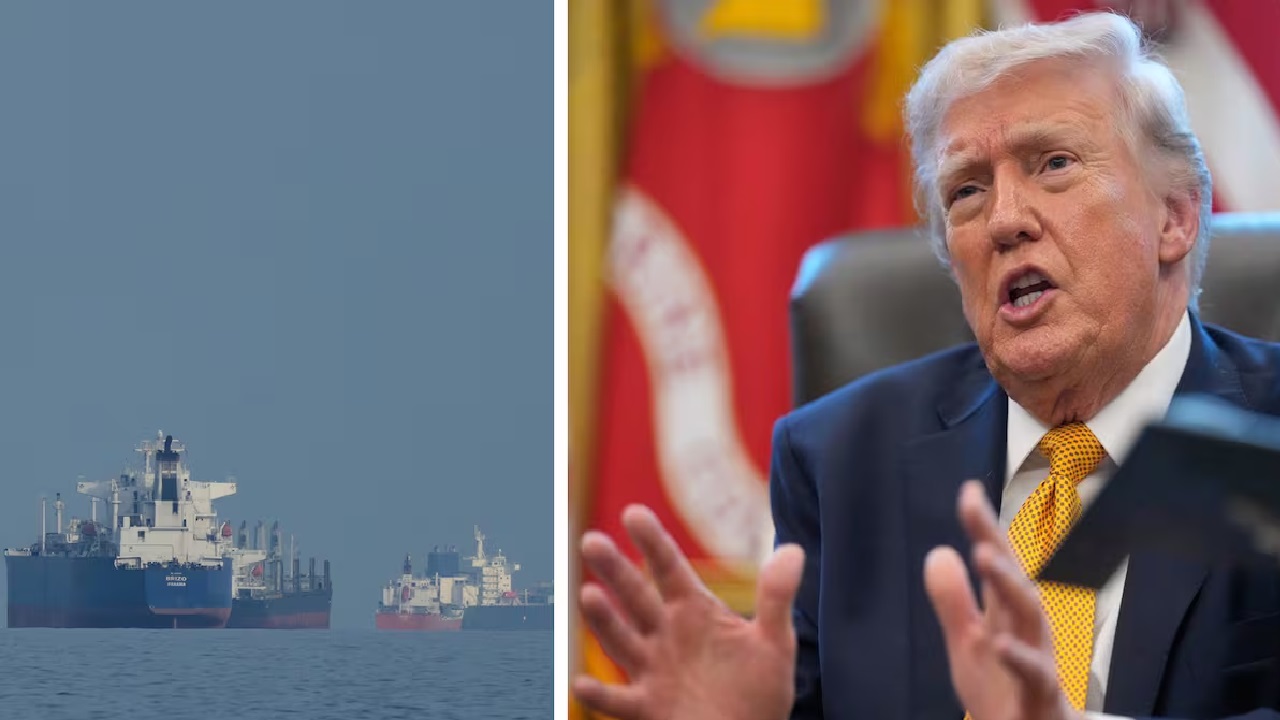
A brewing tariff storm between the U.S. and India has cast uncertainty over Washington’s offer to sell F‑35 stealth fighter jets, a proposal floated by President Trump during Prime Minister Modi’s February visit. Just days before, Trump announced sweeping 25% tariffs on Indian goods, raising geopolitical tensions and making New Delhi wary of tying trade friction to sensitive defense deals.
India’s Signal: No Immediate F‑35 Deal
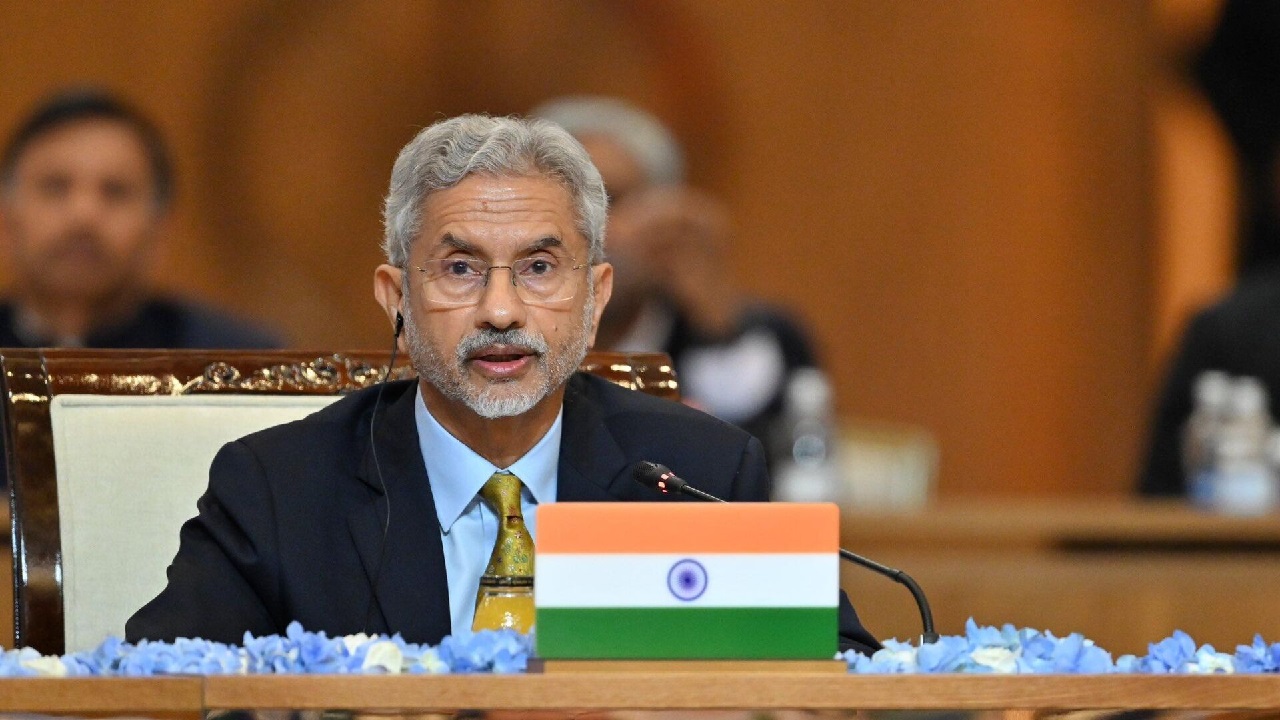
India has quietly informed U.S. counterparts that it is not currently interested in acquiring F‑35 jets, a move reported by multiple sources. Officials emphasized that their defense strategy prioritizes indigenous design and manufacturing, consistent with the ongoing ‘Make in India’ push and major projects like the Multi‑Role Fighter Aircraft (MRFA) tender.
Instead of military hardware imports, New Delhi is focused on maintaining bilateral trade talks and is exploring ways to reduce its goods trade surplus through increased U.S. imports of crops, energy, electronics, and communication gear.
Trade Retaliation Deferred, Diplomatic Strategy Takes Priority
While the U.S. tariff warning shocked Indian policymakers, New Delhi has ruled out immediate retaliatory action. Instead, officials are gauging the tariff’s impact on exporters and gathering feedback from industry stakeholders to determine measured responses.
Commerce Minister Piyush Goyal confirmed Parliament consultations are ongoing. Although India has reserved the right to challenge U.S. tariffs at the World Trade Organization (WTO), retaliation may be delayed strategically to protect broader trade pact negotiations and diplomatic goodwill.
Expert Views: Assessing India’s Response
Trade analysts stress that India’s options hinge on the depth of the tariff’s economic impact. For exporters in pharmaceuticals, textiles, and auto parts sectors—responsible for nearly 22% of India’s GDP—the impact could be substantial if tariffs remain for long.
Strategic affairs observers see the F‑35 proposal as a negotiation tactic rather than a fully formed plan. As trade expert Abhijit Das notes, “Trump being Trump”—his offers and threats can shift quickly, much like prior EU negotiations.
Defense Implications: Costs, Control, Sovereignty
Military analysts caution that purchasing the F‑35 brings cost, compatibility, and control concerns. India has longstanding equipment from Russia and France, including the S‑400 air defense system, raising integration hurdles. Added to that, the high unit cost and exclusive U.S. control over maintenance and mission systems present sovereignty risks.
Yet proponents argue that the F‑35 could boost deterrence and diversify India’s defense procurement—especially given disruptions in other countries’ supply chains induced by U.S. tariffs.
Policy Options for New Delhi
Negotiated diplomacy: Seek interim relief from U.S. tariffs through phased trade agreements, reducing pressure on exporters without sacrificing strategic partnerships.
Defense diversification: Continue with MRFA multivendor competition and focus on local development via Tejas Mk-2 and other Make in India programs rather than relying on Foreign Military Sales.
Strategic leverage: Use current leverage in talks on energy, agriculture, and electronics imports to rebalance trade while avoiding overt defense concessions.
Conclusion: Caution Amid Complexity
By declining immediate acquisition of F‑35 jets yet remaining engaged in trade dialogue, India appears to strike a cautious balance—preserving strategic autonomy without antagonizing its largest economic partner. While U.S. tariffs remain volatile, New Delhi’s blend of diplomacy, long‑term defense planning, and selective imports may help it weather the storm.
As analysts note, the calculus will depend heavily on trader impact and whether tariffs remain in play or are softened through negotiation.
(With agency inputs)