From Partnership to Confrontation
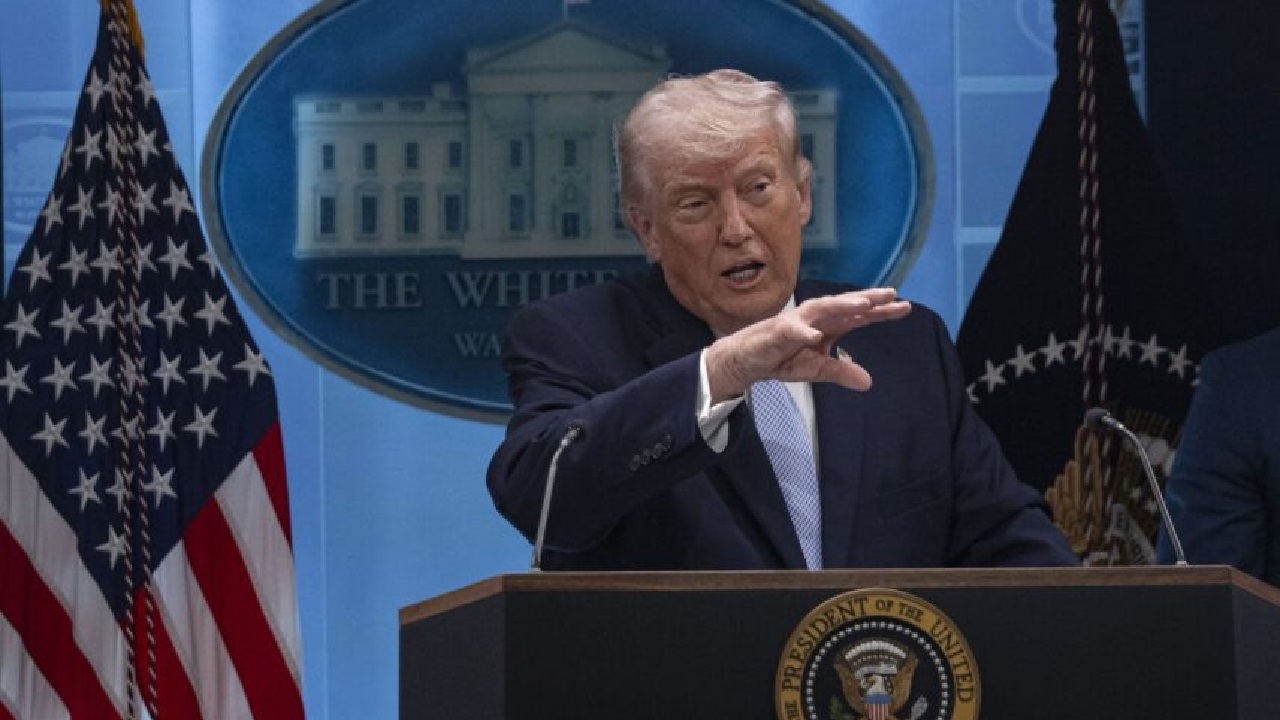
For over three decades, New Delhi and Washington painstakingly cultivated a relationship built on shared strategic interests, pragmatic compromises, and mutual respect. Even when disagreements arose, leaders on both sides sought middle ground rather than open conflict. That equilibrium now appears shattered. Under President Donald Trump, punitive tariffs, sharp rhetoric, and strategic overtures to India’s rivals have brought the partnership to its lowest point since the early 1990s. The transformation is not merely a matter of trade disputes—it reflects a deeper shift in how the United States is choosing to engage with one of its most important partners in Asia.
The Sudden Collapse of Trade Talks
According to diplomatic insiders, negotiations between Indian and US trade teams were progressing well through mid-2019. Both sides had sketched a framework—possibly for a smaller “mini-deal” rather than a full-scale trade pact—aimed at resolving regulatory irritants and opening the door for American businesses in India. These concessions, sources say, were focused on easing compliance hurdles and creating a more welcoming investment climate, but stopped short of touching highly sensitive sectors such as agriculture, dairy, or genetically modified crops.
Then, without warning, Trump upended the process. New demands emerged—more sweeping and unrealistic than before. Tariff proposals bounced erratically between 10%, 15%, and 19%, frustrating negotiators who saw no consistency in the American position. Progress evaporated overnight, replaced by ultimatums.
A Deal Maker’s Uncompromising Stance
Despite his self-image as a master negotiator, Trump’s approach has appeared less like bargaining and more like pressure tactics. Rather than aiming for a mutually beneficial arrangement, his stance suggested a determination to secure all advantages for Washington, leaving New Delhi with little room for dignity or balance.
Dr. Ram Singh, professor of international trade and business at the Indian Institute of Foreign Trade, observes:
“India has always valued its strategic autonomy. Unlike Japan or South Korea, it is not reliant on US security guarantees. A take-it-or-leave-it posture is counterproductive—previous US administrations understood India’s sensitivities far better.”
Echoes of the Cold War
Trump’s confrontational strategy has triggered comparisons to Richard Nixon’s tilt toward Pakistan during the 1971 war. Nixon’s decision to send the US Seventh Fleet into the Bay of Bengal left a lasting scar in Indian political memory. Many fears a similar erosion of trust now, with Trump aligning more closely with Islamabad, downplaying India’s security concerns, and even engaging with regimes such as Turkey and Syria that have opposed Indian positions on key issues.
The perception in New Delhi is that Washington is not merely contesting tariffs but is seeking to curb India’s growing influence. For a relationship that is only about three decades old in its modern, cooperative form, this level of distrust could prove corrosive.
Beyond Trade: A Broader Strategic Strain
The fallout extends beyond commerce. Trump has made controversial remarks on Jammu and Kashmir, drawn moral equivalence between India and Pakistan, and undermined India on sensitive operations such as Sindoor. These actions have hardened anti-US sentiment among both policymakers and the public.
Yusuf Unjhawala, a geopolitical analyst at the Takshashila Institute, warns:
“The relationship is effectively frozen for now. This will affect multilateral initiatives like the Quad. But it also opens space for other middle powers—India, Japan, and Australia—to forge deeper cooperation independent of Washington.”
Economic Consequences for Key Sectors
Trump’s tariffs are not merely symbolic—they strike at labour-intensive industries that are both economically and politically significant in India. Marine exports such as shrimp and prawns, textile manufacturing hubs, and small-scale food processing industries (including fruit and pickle production) face the greatest vulnerability. Disruptions in these sectors could have knock-on effects on employment, rural livelihoods, and regional political stability.
Dr. Singh cautions that such pressure risks triggering a retaliatory cycle, further damaging bilateral trust and reducing the space for future negotiations.
Expert Analysis: Why This Matters
Experts broadly agree that Trump’s style of diplomacy is transactional to an extreme. While this can yield results in certain contexts, applying it to India—a country deeply protective of its policy independence—risks alienating a partner whose cooperation the US needs on issues from counterterrorism to Indo-Pacific security.
Historically, US-India relations have advanced when both sides recognized each other’s core priorities and avoided forcing compliance. The present impasse, they warn, is less about substantive differences than about a breakdown in the negotiating ethos.
A Way Forward
The current chill in US-India ties is neither inevitable nor irreversible. But repairing it will require a shift in tone and approach—most likely under a future US administration. Washington must recommit to genuine dialogue, avoid public hectoring, and focus on incremental trust-building measures.
For its part, India should continue engaging with other democratic partners, diversifying its strategic options while keeping channels open with the US. In trade, both sides could start with targeted, sector-specific agreements that are politically feasible and economically beneficial, rather than aiming for an all-encompassing pact in one go.
The last thirty years have shown that India and the US can be natural partners when mutual respect and pragmatism prevail. Without those anchors, however, even decades of progress can unravel quickly—leaving both nations weaker in a rapidly changing world.
(With agency inputs)