Diplomatic Gambit Falls Flat
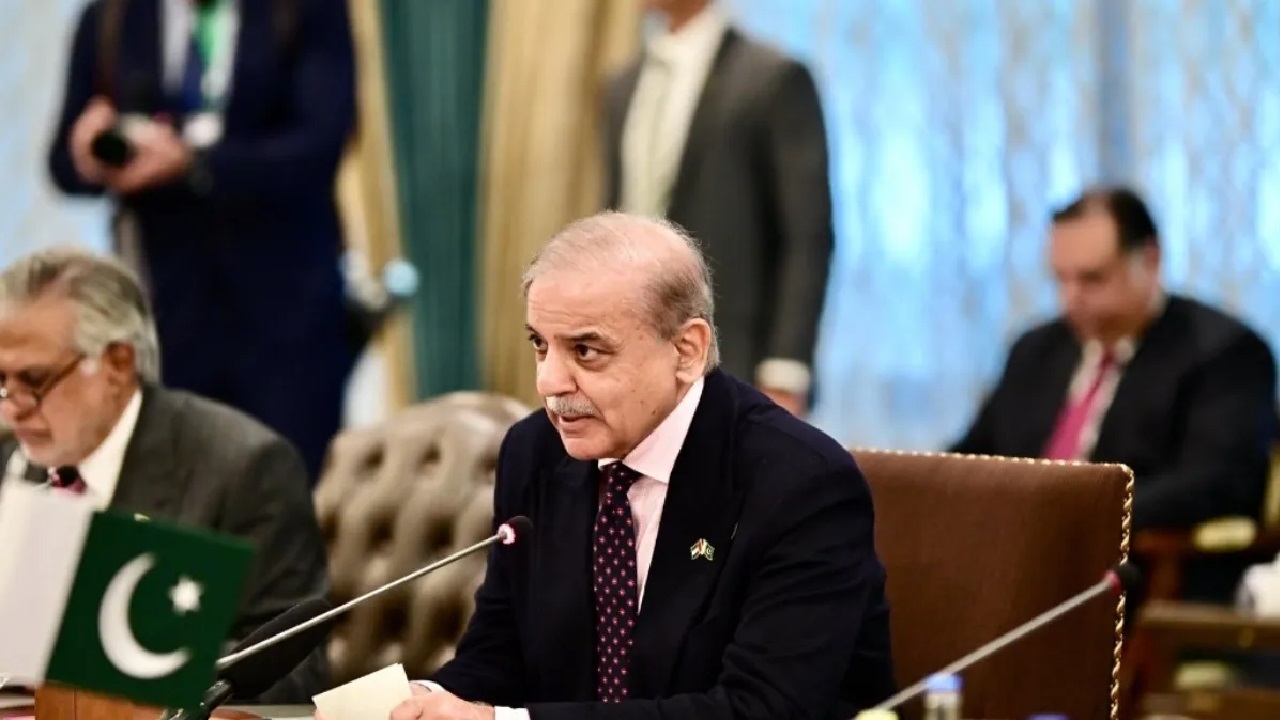
In an apparent attempt to draw regional support in its long-standing standoff with New Delhi, Pakistan Prime Minister Shehbaz Sharif raised the India-Pakistan conflict during his recent visit to Tehran. At a joint press conference with Iranian President Masoud Pezeshkian, Sharif called for peace talks with India, emphasizing unresolved issues like Kashmir, water, terrorism, and trade.
However, Iran’s response remained notably measured and neutral—a diplomatic tone that was far from the unequivocal support Islamabad might have hoped for. Supreme Leader Ayatollah Ali Khamenei posted on X, “We are delighted with the end of conflicts between Pakistan and India and hope that the differences between the two countries will be resolved,” signaling a balanced stance without taking sides.
Iran Urges Dialogue, But Avoids Partisanship
While Iranian state media reported that President Pezeshkian supported a “durable ceasefire” and encouraged dialogue between the two nuclear-armed neighbours, there was no endorsement of Pakistan’s narrative on Kashmir or its grievances.
Iran’s focus remained on regional de-escalation and stability—particularly vital given Tehran’s own turbulent past with Islamabad. Just earlier this year, the two countries exchanged airstrikes, with Iran targeting the Jaish al-Adl terror group in Pakistan’s Balochistan, and Pakistan retaliating against what it described as Baloch militant groups operating from Iranian soil.
This history likely influenced Tehran’s cautious diplomacy, highlighting Iran’s broader regional agenda of balancing ties rather than becoming entangled in South Asia’s conflicts.
India’s Firm Stand: No Talks Until Terror Ends
While Sharif’s rhetoric emphasized a desire for peace, India’s position remains unyielding: dialogue can only occur in the context of Pakistan-occupied Kashmir and an end to cross-border terrorism.
New Delhi’s posture has only hardened after the April 22 Pahalgam terror attack, which claimed 26 Indian lives. India launched Operation Sindoor in response, a series of precision strikes on terrorist infrastructure in Pakistan and PoJK. Pakistan’s retaliatory strikes between May 8 and 10 were swiftly countered, reinforcing India’s resolve and military preparedness.
Sharif’s overtures in Tehran, in this context, appear less a genuine peace offering and more a diplomatic maneuver—one that fell short in swaying Iran or shifting India’s stance.
Regional Optics: Iran Plays the Balancer
Iran’s decision to avoid taking a side reflects its evolving diplomatic identity. Tehran is actively working to stabilize its relationships in the region—not deepen them along ideological or sectarian fault lines. This was particularly evident in the Supreme Leader’s framing of peace as a shared interest, not a partisan plea.
Iran appears increasingly invested in avoiding entanglement in the India-Pakistan rivalry, especially given its own security concerns on the Balochistan border and its economic ties with both nations.
Diplomatic Chess, Not Checkmate
Shehbaz Sharif’s attempt to internationalize the India-Pakistan conflict in Tehran may have been aimed at gaining leverage, but it has instead highlighted Pakistan’s diminishing diplomatic capital. Iran’s carefully crafted response underscores a growing trend among regional powers: stability over sympathy.
For New Delhi, Tehran’s neutrality is a quiet diplomatic win. For Islamabad, it’s a reminder that rhetorical appeals are no substitute for concrete action—especially when the world increasingly sees terrorism, not talks, as the core roadblock to peace.
(With agency inputs)