A Stark Message to Washington
Tehran has issued one of its most direct warnings in recent years, signaling that the rules of engagement in the Middle East have fundamentally changed. A spokesman of Iran’s top joint military command bluntly addressed the United States: “Do not call your defeat an agreement.” The statement cuts through diplomatic ambiguity, framing the current tensions not as a pathway to negotiated peace but as a decisive shift in regional power dynamics. It also reflects Iran’s growing confidence that the balance of influence is tilting away from Washington’s traditional dominance.
Rejecting the Narrative of Negotiation
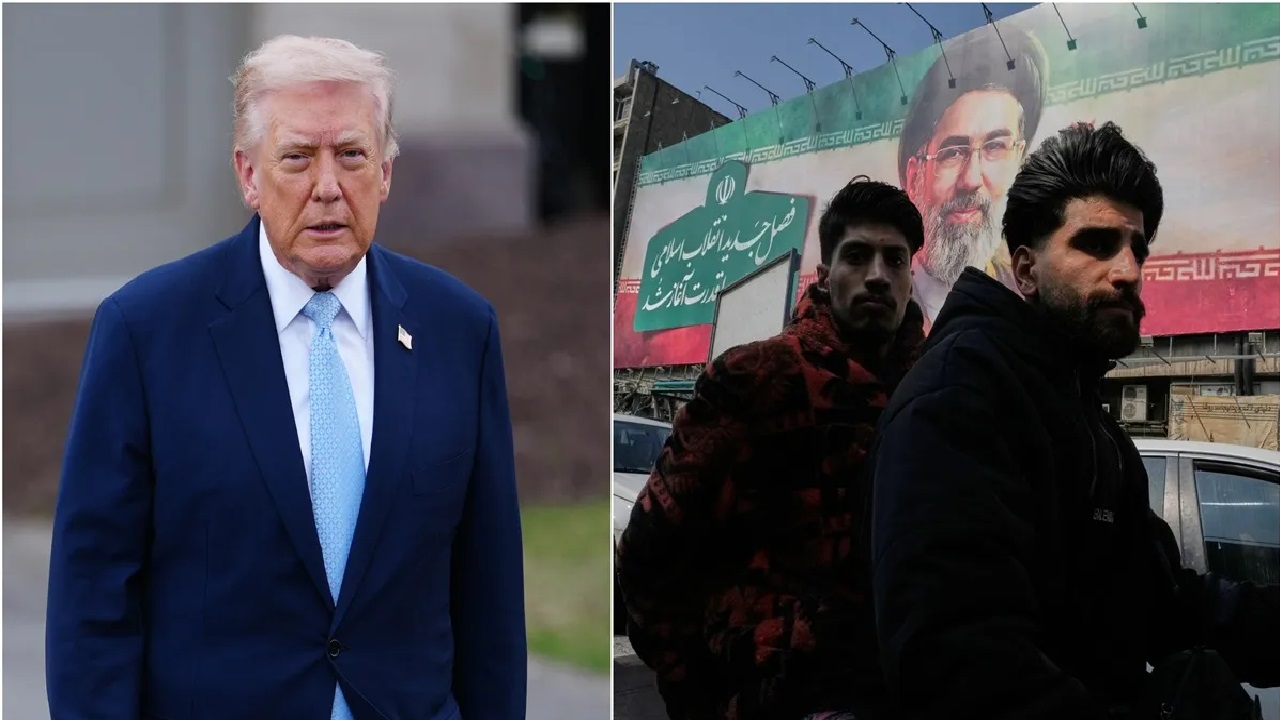
Iran has forcefully dismissed claims by President Donald Trump that meaningful talks are underway to end the conflict. Instead, Tehran characterizes Washington’s position as “negotiating with itself,” exposing what it sees as inconsistencies within U.S. policymaking. By rejecting the premise of ongoing diplomacy, Iran is making clear that it will not legitimize any narrative that portrays military pressure as a precursor to compromise. The message is deliberate: concessions will not emerge from coercion, and any settlement must reflect new realities on the ground rather than restore a pre-war status quo.
Military Escalation as Strategic Messaging
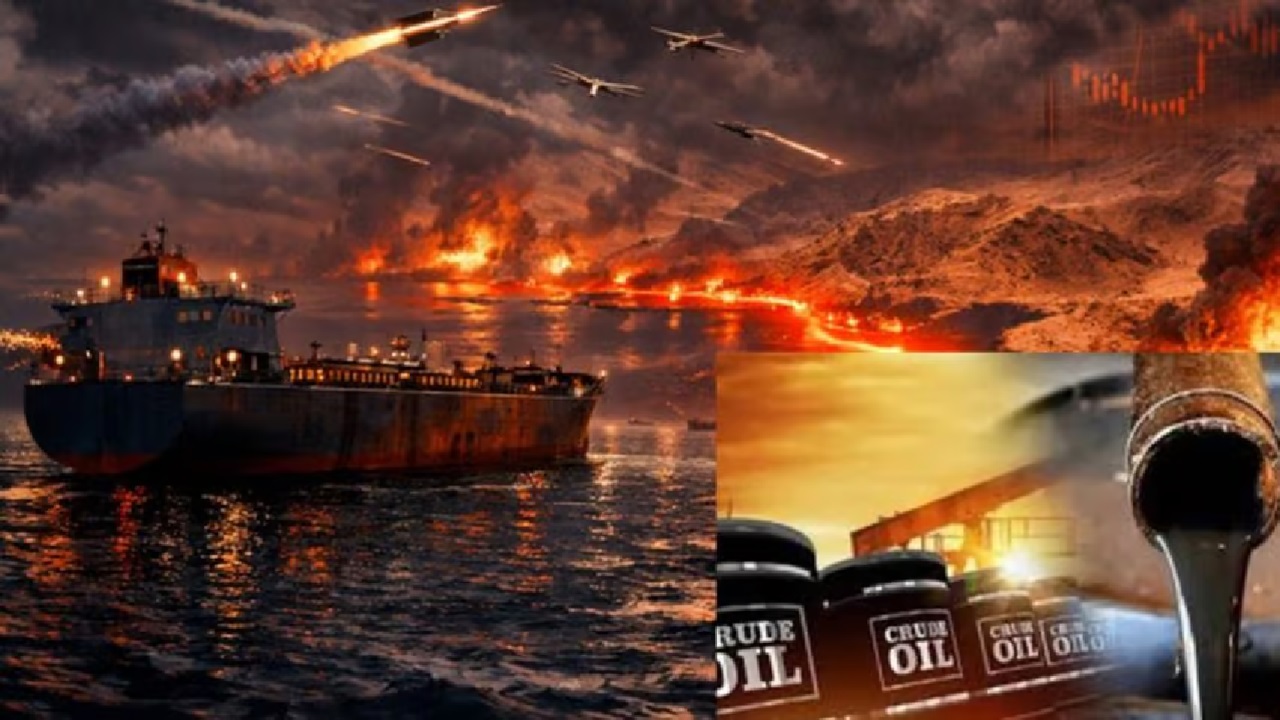
On the battlefield, Iran is reinforcing its rhetoric with action. The Islamic Revolutionary Guard Corps’ continued missile operations—described as successive waves of strikes—underscore a calculated effort to project strength and control escalation. Targets reportedly include Israeli military infrastructure and U.S.-linked bases across the region, signaling a broadened scope of confrontation. These operations are not merely retaliatory; they are communicative. By sustaining pressure, Tehran seeks to redefine deterrence and ensure that any de-escalation is perceived as occurring on its terms, not as a concession to external pressure.
Economic Reverberations Beyond the Region
The consequences of this confrontation are extending far beyond West Asia, particularly through global energy markets. Disruptions linked to the conflict—especially concerns around the Strait of Hormuz—have triggered sharp increases in fuel prices. Countries like Vietnam and the Philippines are already grappling with rising diesel costs and supply uncertainties, exposing the vulnerability of import-dependent economies. This economic dimension strengthens Iran’s strategic position, as energy flows become a lever of influence, amplifying the global stakes of a regional conflict.
Rising Diplomatic and Moral Pressure
Amid intensifying violence, international voices are calling for restraint. Religious and political leaders alike have warned that the conflict risks deepening divisions and entrenching hostility. Appeals for ceasefire and dialogue reflect growing unease that continued militarisation will only harden positions on all sides. Yet, these calls appear to have limited immediate impact as major powers continue to reinforce their military presence, further complicating prospects for de-escalation.
A New Regional Equation
What emerges from this unfolding crisis is a clear signal that the Middle East is entering a new phase—one defined less by negotiated settlements and more by strategic recalibration. Iran’s posture suggests it is no longer interested in restoring past arrangements but is instead pushing for a restructured regional order where its influence is central. By combining military assertiveness with economic leverage, Tehran is challenging long-standing assumptions about power in the region. For Washington and its allies, the message is unmistakable: the old frameworks no longer apply, and any future stability will have to reckon with a transformed balance of power.
(With agency inputs)