A Shift in Washington’s Language
In a surprising change of tone, US President Donald Trump recently described India-US ties as a “very special relationship” and hailed Prime Minister Narendra Modi as a “good friend.” This conciliatory approach came only days after Washington imposed steep 50 per cent tariffs on Indian goods, including punitive duties on Russian crude imports. Modi responded warmly, underscoring that the India-US partnership is “positive and forward-looking.” Yet beneath the cordial words lies a complex reality. For many in India, the economic shock of tariffs and earlier remarks from Trump’s administration remain fresh wounds that cannot be healed overnight.
Tharoor’s Cautious Welcome
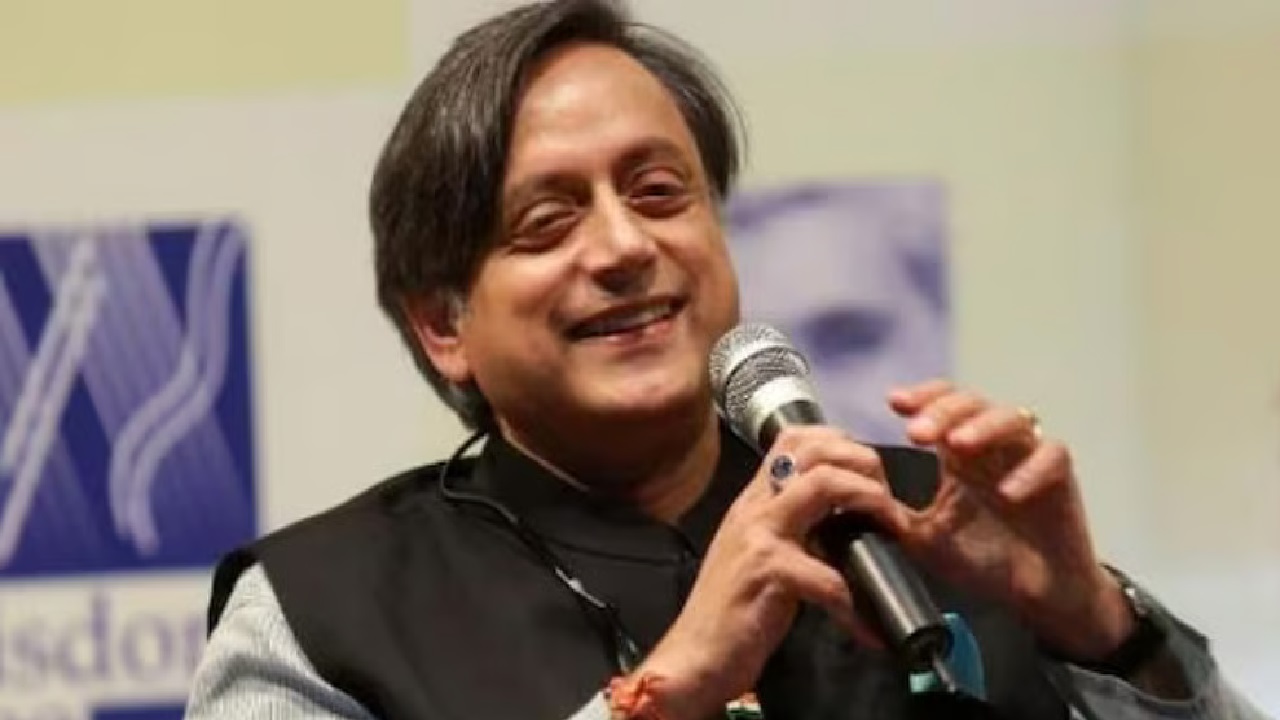
Congress MP Shashi Tharoor offered a nuanced perspective, welcoming Trump’s new language but urging caution. Speaking to ANI, he said: “One can’t just forget and forgive so quickly because there are real consequences that Indians are facing on the ground. Those consequences need to be overcome.” Tharoor noted that while Modi had been quick to reciprocate Trump’s overture, both governments have “serious repair work” to undertake if the relationship is to regain balance.
He also highlighted Trump’s “fairly mercurial temperament,” reminding observers that shifts in rhetoric should not obscure the sting of earlier insults or the practical burden of tariffs. For Tharoor, India must not appear uncritical or overly eager to embrace Washington’s renewed warmth.
The Tariff Fallout
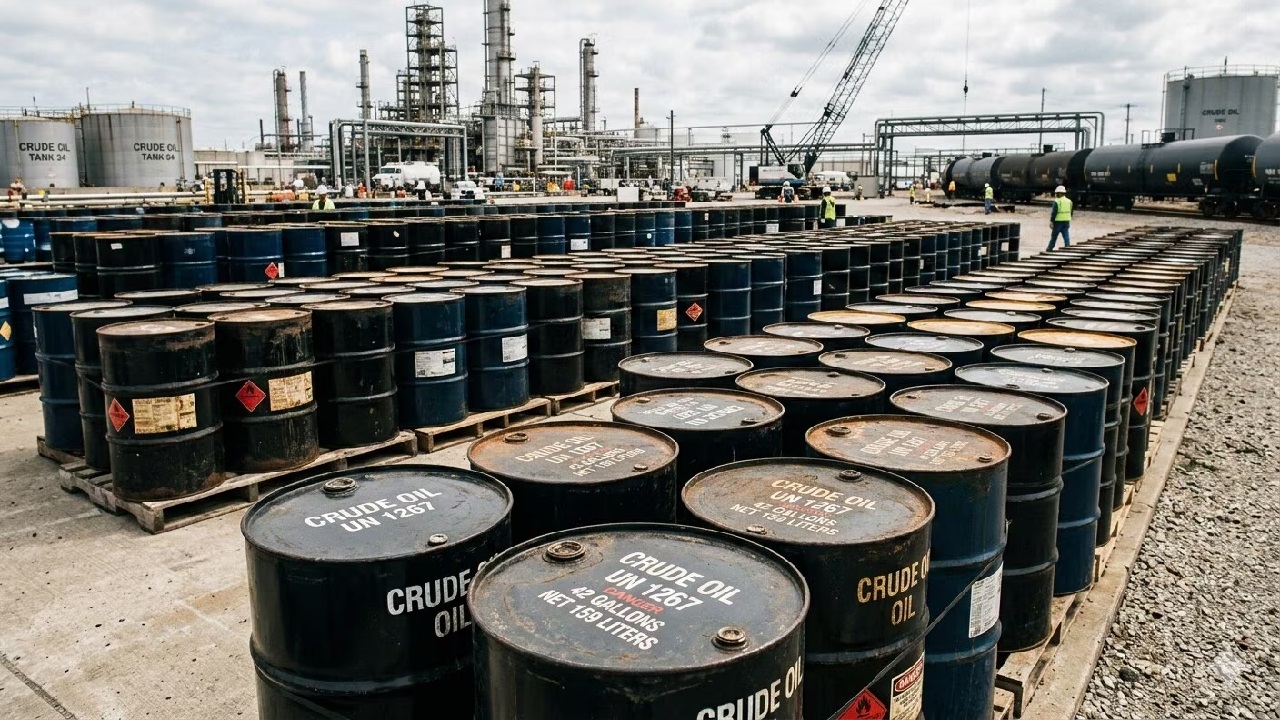
The recent hike in tariffs has already had tangible economic effects, especially on sectors dependent on access to US markets. The additional 25 per cent duty on Russian crude imports complicates India’s energy security, making fuel price stability harder to maintain. New Delhi has consistently argued that its purchases of Russian oil are aimed at protecting its citizens and stabilising global prices rather than endorsing Moscow’s actions in Ukraine.
Tharoor reinforced this point, stressing that India’s choices were not out of line with global norms. “Europe continues to buy Russian products, China and Turkey purchase more Russian oil and gas than we do. It seems bizarre that we are singled out as if we are financing the war effort,” he observed. His comments underscored a widely shared frustration in New Delhi: India feels unfairly targeted by US policy while others with deeper economic links to Russia face lighter scrutiny.
Modi’s Swift Response
Prime Minister Modi, however, chose to highlight the positives. On social media, he “deeply appreciated and fully reciprocated” Trump’s sentiments, calling the bilateral relationship comprehensive and strategic. This swift endorsement reflects India’s broader approach to Washington: preserving goodwill at the leadership level even while pushing back firmly on issues like trade and energy.
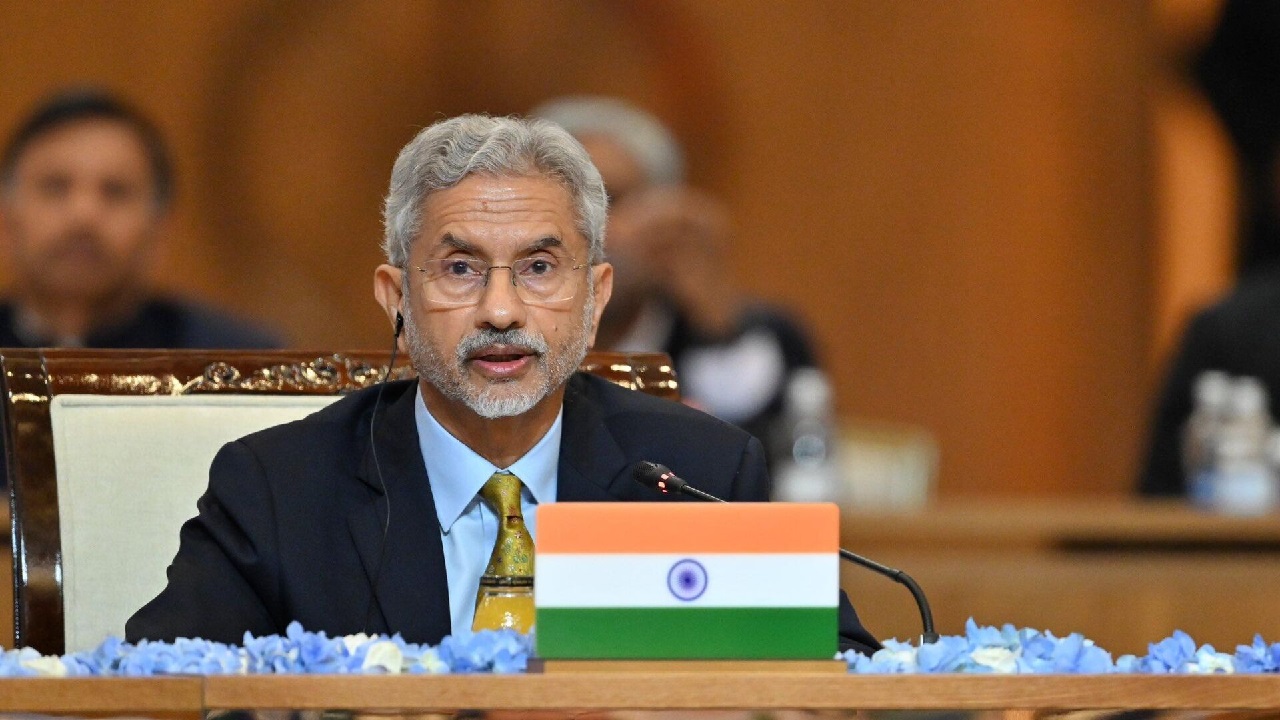
The government has made clear that India will act in line with its sovereign interests. External Affairs Minister S. Jaishankar has repeatedly affirmed that India’s decisions on Russian oil are pragmatic and rooted in national priorities.
Expert Views: Proceed with Prudence
Policy specialists caution that Trump’s softened tone, while welcome, should not be mistaken for a fundamental reset. Dr. Kavita Joshi, an international relations scholar, argues: “India must treat this change in rhetoric as tactical, not strategic. Washington’s positions are driven by its own domestic compulsions, which could shift again.”
Former diplomat Rajiv Dogra echoes this sentiment: “The real test lies in actions, not words. Tariffs remain in place, and the structural differences over Russia, trade, and technology are still unresolved. India must engage constructively, but also keep its guard up.”
Such caution reflects a recognition that while personal warmth between leaders can ease tensions, the broader relationship requires sustained, issue-by-issue management.
Between Optimism and Realism
The recent exchange between Trump and Modi reveals both the resilience and fragility of India-US ties. Modi’s swift and positive response suggests a willingness to keep the relationship on track, while Tharoor’s measured words remind India not to overlook the deeper challenges.
For India, the way forward lies in balancing optimism with realism—welcoming conciliatory gestures while continuing to assert its sovereign choices. Repairing the relationship will demand diplomatic patience, steady engagement, and above all, clarity that friendship cannot erase economic grievances overnight.
In the shifting landscape of global politics, India’s task is to nurture trust without compromising autonomy—ensuring that its partnership with Washington remains strong, but never one-sided.
(With agency inputs)