A Strike Reverberating Beyond Yemen
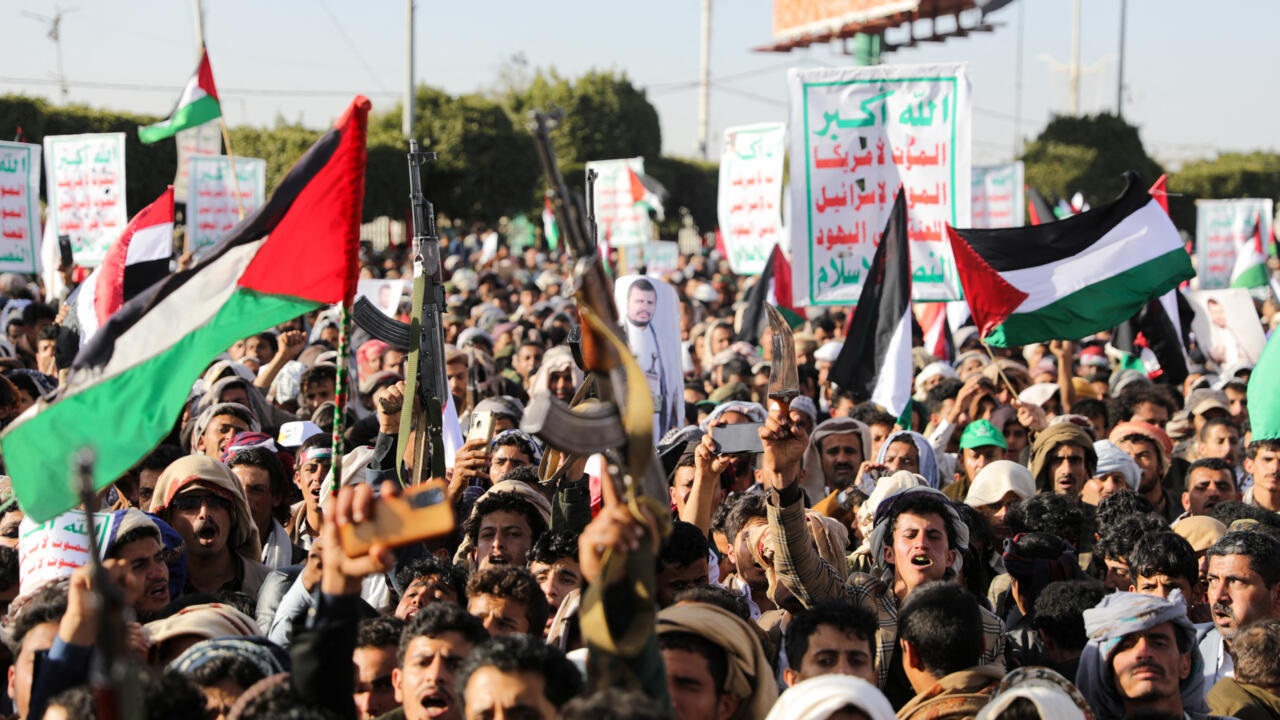
The Israeli airstrike that killed 12 senior Houthi leaders, including Yemen’s prime minister, was not merely a localized military operation—it has become a flashpoint in the evolving Middle Eastern geopolitical order. As thousands gathered at Sanaa’s Al Saleh Mosque on Monday to grieve the dead and chant defiance, the regional stakes of the conflict became ever clearer: Israel’s determination to secure its maritime lifelines, Iran’s bid to extend influence through allied militias, and the Houthis’ quest for legitimacy amid chaos.
Funerals as Political Theatre
The mass funeral was not just an expression of grief but also a rallying stage. Mohammed Miftah, stepping in as acting head of the Houthis’ government, pledged vengeance and intensified crackdowns on suspected espionage networks. The chants of “Death to America, Death to Israel” captured not only anti-Israel sentiment but also the broader narrative the Houthis seek to frame: that their fight is part of a larger resistance axis linking Tehran, Hezbollah, and Hamas.
By striking Houthi leaders at a moment of visibility, Israel turned a domestic Yemeni tragedy into a regional signal—a reminder that it will not tolerate disruptions to Red Sea shipping lanes nor threats to Israeli-linked assets.
Israel’s Calculated Gamble
Israel confirmed the strike targeted key figures, including the Houthis’ chief of staff and defense minister. Yet the fate of Mohamed al-Atifi, head of the Missiles Brigades Group, remains unresolved. His survival or death could alter the Houthis’ capacity to escalate military operations.
For Israel, the operation was both tactical and strategic: tactically aimed at decapitating hostile leadership, strategically designed to deter further maritime attacks. But history suggests such strikes often harden resistance rather than dismantle it.
The Red Sea Battleground
Since the Gaza war reignited in October 2023, the Red Sea has become a secondary front. The Houthis’ missile and drone attacks on commercial vessels—justified as solidarity with Palestinians—have disrupted vital shipping lanes that connect Asia to Europe. This has elevated the Houthis from a domestic Yemeni insurgency into a player in global trade security.
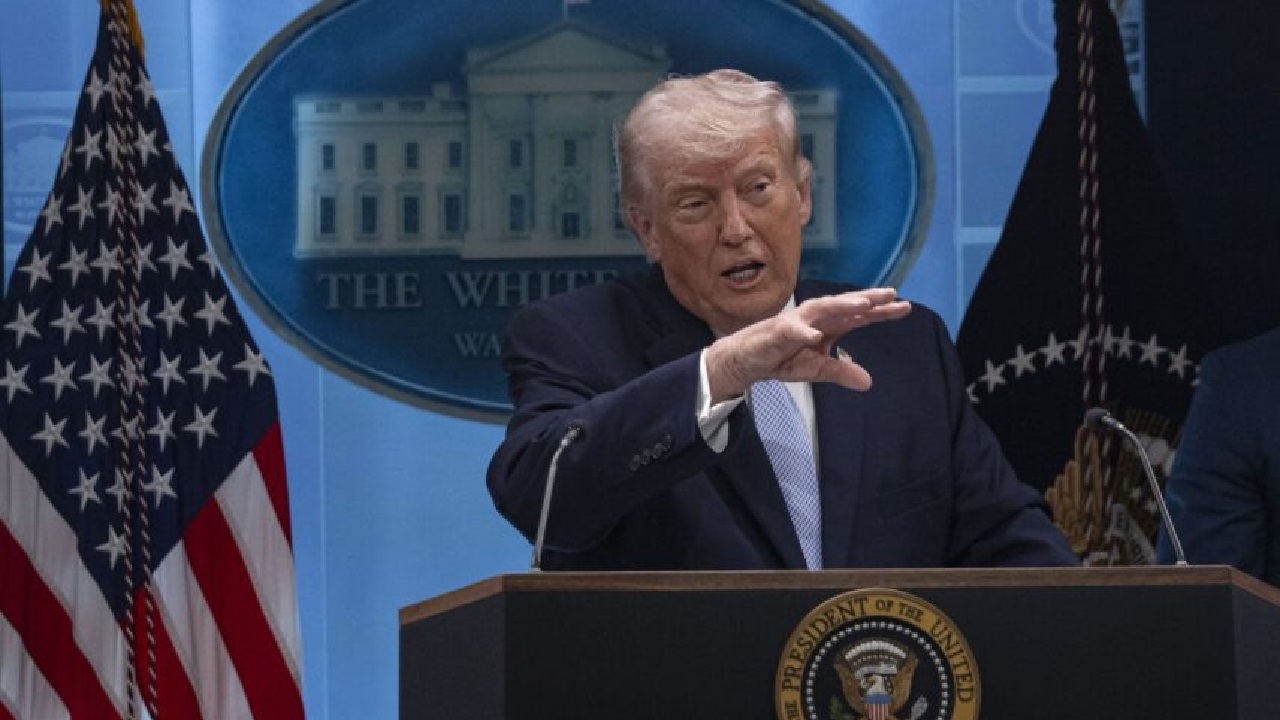
U.S. forces briefly intervened earlier this year, but President Donald Trump halted bombing campaigns after short-lived assurances from the Houthis. Israel, however, has opted for escalation, unwilling to accept even temporary interruptions to its economic lifelines.
Iran’s Expanding Network
The Houthis’ survival despite years of conflict underscores their value to Iran as a resilient proxy force. With Hezbollah constrained in Lebanon and Hamas under siege in Gaza, the Houthis have become Tehran’s most active partner against Israel. Abdul Malik al-Houthi’s prominence as a regional figure has grown precisely because his group can strike where others cannot—in the waters that anchor the global economy.
This Israeli strike, therefore, is not simply about Yemen. It is part of a broader attempt to blunt Iran’s expanding reach across multiple fronts of conflict.
The Risks of Blowback
Yet Israel’s aggressive posture comes with risks. Monday’s Houthi missile launch against the Israeli-owned tanker Scarlet Ray, near Saudi Arabia’s Yanbu, was an immediate demonstration of defiance. At the same time, the Houthis’ detention of 11 U.N. staff in Sanaa reflects growing paranoia and could further alienate international actors, complicating humanitarian relief.
For Washington and regional partners, the danger lies in escalation spiralling beyond control—where local strikes fuel broader conflict across the Middle East, dragging in global powers and jeopardizing vital trade arteries.
A Proxy War Intensifies
The thousands who gathered in Sanaa were mourning their leaders, but the implications of the Israeli strike stretch well beyond Yemen’s capital. This confrontation is emblematic of the broader geopolitical struggle: Israel asserting maritime dominance, Iran leveraging its allies to pressure Tel Aviv, and global trade caught in the middle.
Unless diplomacy finds a foothold, the Red Sea risks becoming a permanent battleground. Israel’s strike may have achieved tactical success, but strategically it reinforces the Houthis’—and by extension Iran’s—role as indispensable actors in the region’s conflict matrix.
(With agency inputs)