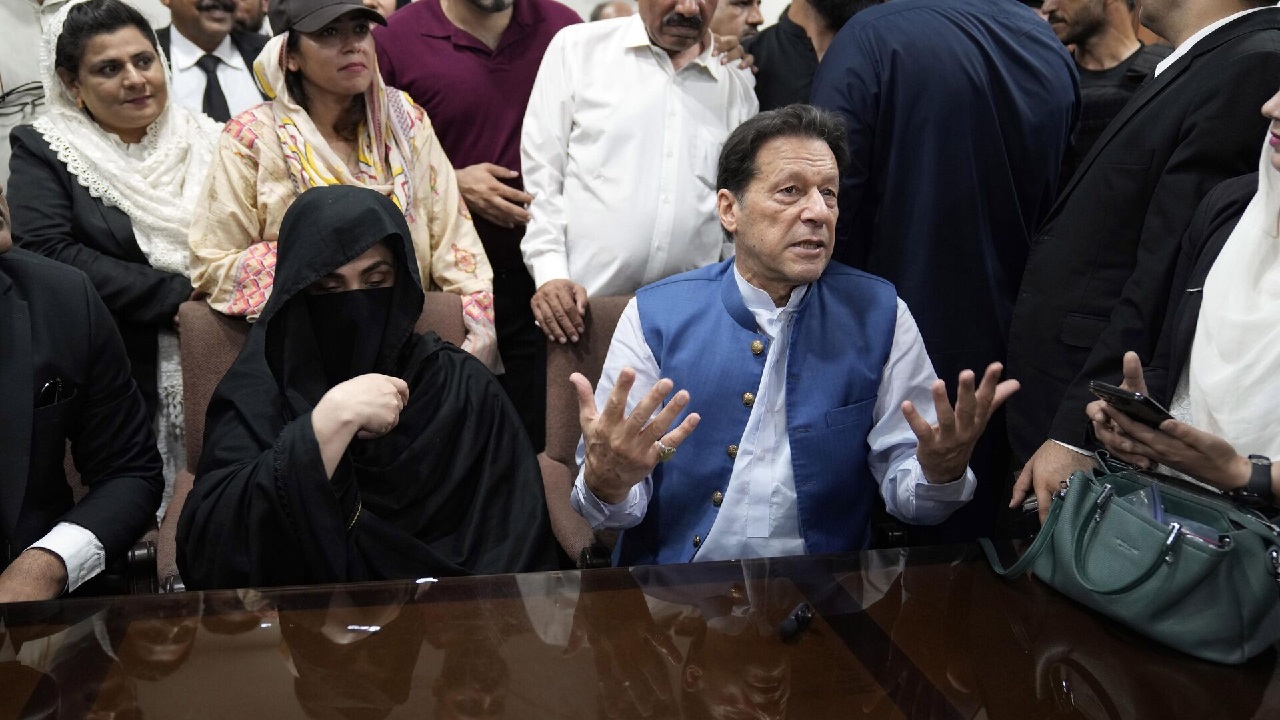
A Jolt to Pakistan’s Political Landscape
The sentencing of former Pakistan Prime Minister Imran Khan and his wife Bushra Bibi to 17 years in prison has sent shockwaves through the country’s already volatile political arena. Handed down in the high-profile Toshakhana corruption case, the verdict is among the harshest faced by a former civilian leader in Pakistan. Beyond the personal consequences for Khan, the ruling deepens uncertainty around the future of his Pakistan Tehreek-e-Insaf (PTI) party and underscores the relentless legal and political pressure he has faced since being removed from office in 2022.
Khan’s Struggles: Rise and Fall of a Populist Leader
Imran Khan’s political journey is inseparable from Pakistan’s troubled democratic evolution. After retiring as a national cricket hero, Khan founded PTI in 1996, positioning it as an antidote to dynastic politics and elite corruption. For years, the party struggled on the margins, suffering repeated electoral defeats while Khan remained a marginal but persistent critic of the political order.
PTI’s fortunes changed dramatically in the early 2010s. Mass protests, particularly after the Panama Papers revelations, propelled Khan into the national spotlight as an anti-corruption crusader. In 2018, he rode this momentum to the prime minister’s office, promising a “Naya Pakistan” rooted in accountability and reform. However, governing proved far more complex. Economic pressures, IMF negotiations, natural disasters, and a deteriorating relationship with the military establishment steadily eroded his position. In April 2022, Khan was ousted through a no-confidence vote—an event he framed as an externally backed conspiracy—marking the beginning of an unprecedented legal and political onslaught.
The Toshakhana Verdict: Legal Blow with Political Weight
The Toshakhana case revolves around allegations that Khan and Bushra Bibi unlawfully retained and sold state gifts received during his premiership. Prosecutors argued that the couple undervalued luxury items—ranging from jewelry to expensive watches—and profited heavily in violation of transparency rules governing state gifts. The court’s decision to impose lengthy prison terms and substantial fines adds to Khan’s growing list of convictions, including prior sentences that already bar him from holding public office.
Khan and PTI have rejected the verdict as politically motivated, portraying it as part of a broader campaign to side-line him permanently before future elections. Regardless of intent, the ruling has immediate and far-reaching implications for PTI’s leadership and cohesion.
How the Verdict Weakens PTI’s Leadership Core
The Toshakhana judgment effectively removes Imran Khan from formal politics for the foreseeable future, intensifying a leadership vacuum within PTI. Already operating under severe constraints—with many senior figures jailed, disqualified, or in hiding—the party now faces the challenge of surviving without its central unifying figure. Interim leaders lack Khan’s charisma and moral authority, fueling internal rivalries and strategic confusion.
Organizationally, the verdict complicates PTI’s electoral strategy. Reliance on proxy candidates and independents dilutes party discipline and messaging. Financial penalties and asset scrutiny further restrict campaigning capacity, while continued arrests of party workers weaken grassroots mobilization. At the same time, Khan’s imprisonment has reinforced his image among supporters as a political martyr, sustaining loyalty but making structured leadership harder to maintain.
A Turning Point for Khan and Pakistani Politics
The sentencing of Imran Khan and Bushra Bibi marks a decisive moment in Pakistan’s ongoing power struggle between elected leaders, institutions, and the establishment. For PTI, the Toshakhana verdict is both a crippling setback and a test of survival: can the party evolve beyond its founder, or will it fragment under sustained pressure? For Pakistan’s democracy, Khan’s trajectory reflects a familiar pattern—popular leaders rising on reformist promises, clashing with entrenched power centers, and ultimately being curtailed through legal means. Whether this episode stabilizes the system or deepens public disillusionment will shape the country’s political future long after the verdict itself.
(With agency inputs)