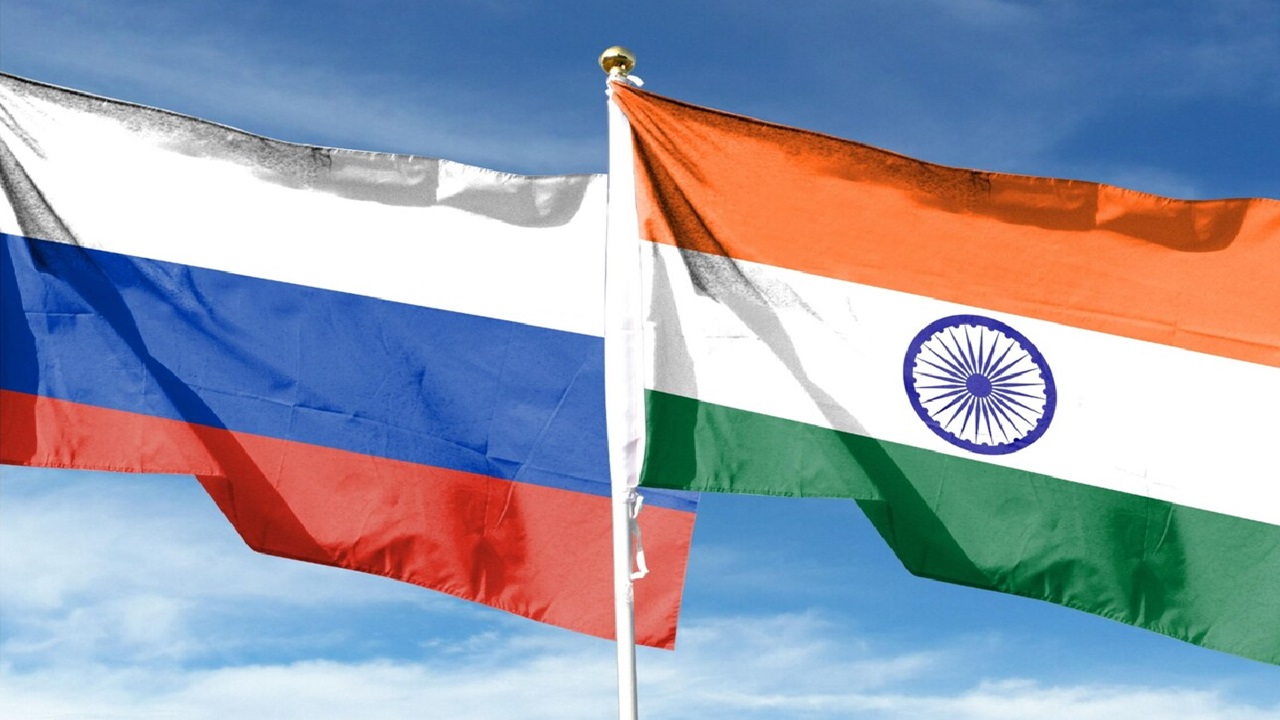
India’s announcement that it will soon offer free 30-day e-tourist visas and 30-day group tourist visas to Russian citizens marks one of the most significant people-centric policy moves in the recent history of India–Russia relations. Revealed by Prime Minister Narendra Modi during his joint press conference with President Vladimir Putin in New Delhi, the unilateral waiver—covering both processing fees and biometric requirements—aims to reignite tourism links that dwindled after the pandemic. The step also aligns with a broader diplomatic push: new Indian consulates in Yekaterinburg and Kazan, cultural showcases such as the Buddha relics tour, and a Vision 2030 plan to deepen economic integration.
Reinvigorating Tourism and Expanding India’s Soft Power
Before the pandemic, Russia consistently ranked among India’s top inbound markets. Russian visitors gravitated toward Goa’s beaches, Himalayan circuits, Buddhist pilgrimage routes, and Ayurveda-based wellness travel—segments that pump revenue directly into local economies. By removing financial and procedural barriers, India positions itself to recapture this market.
The benefits extend beyond tourism receipts. Increased Russian footfall supports hotels, airlines, craft industries, and small businesses, strengthening the domestic tourism value chain. Equally important is the diplomatic dimension: tourism becomes a vehicle for cultural projection and goodwill at a time when India seeks to diversify global engagement. Enhanced societal contact can nurture business confidence, laying the groundwork for the ambitious joint goal of $100 billion in bilateral trade by 2030.
What Russia Gains: Accessibility, Stability, and New Avenues for Engagement
For Russian travelers, the free visa regime offers affordable, uncomplicated access to a major Asian destination—especially valuable as global mobility remains uneven under sanctions and shifting alliances. Group visas make India more attractive for packaged tours, benefiting Russian travel firms and amplifying organised tourist flows.
The move also reinforces citizen-level diplomacy. More Russian visitors translate to deeper cultural exchange—film partnerships, festivals, educational linkages—and help maintain the resilience of the “Special and Privileged Strategic Partnership” beyond traditional defense and energy pillars.
Trade and Investment Implications: Tourism as a Catalyst
The visa reform serves as a “low-friction lever” within a relatively imbalanced trade structure. India–Russia trade reached $68.7 billion in FY 2024–25, driven overwhelmingly by Russian crude and fertilisers, while Indian exports remain modest. Tourism-induced familiarity with Indian products, services, and business ecosystems can modestly—but meaningfully—support Indian exports in pharmaceuticals, engineering goods, handicrafts, and wellness services.
On investment, easier mobility opens the door for Russian businesses to explore opportunities in hospitality infrastructure, real estate, and technology clusters. Organised group visas are especially conducive to business delegations evaluating joint ventures in manufacturing, digital services, electric mobility, and maritime logistics. Parallel developments—labour mobility agreements and rupee–ruble settlement mechanisms—further lower transaction risks and expand space for non-energy investments.
A Small Policy Shift with Outsized Strategic Potential
India’s decision to grant free tourist and group visas to Russians is more than a tourism booster. It is a calibrated diplomatic instrument that strengthens societal trust, supports trade diversification, and encourages two-way investment in an era of geopolitical flux. While its economic effects will unfold gradually, the policy deepens the connective tissue of the relationship—ensuring that India–Russia ties evolve from resource-driven exchanges into a broader, more balanced partnership anchored in mobility, culture, and commerce.
(With agency inputs)