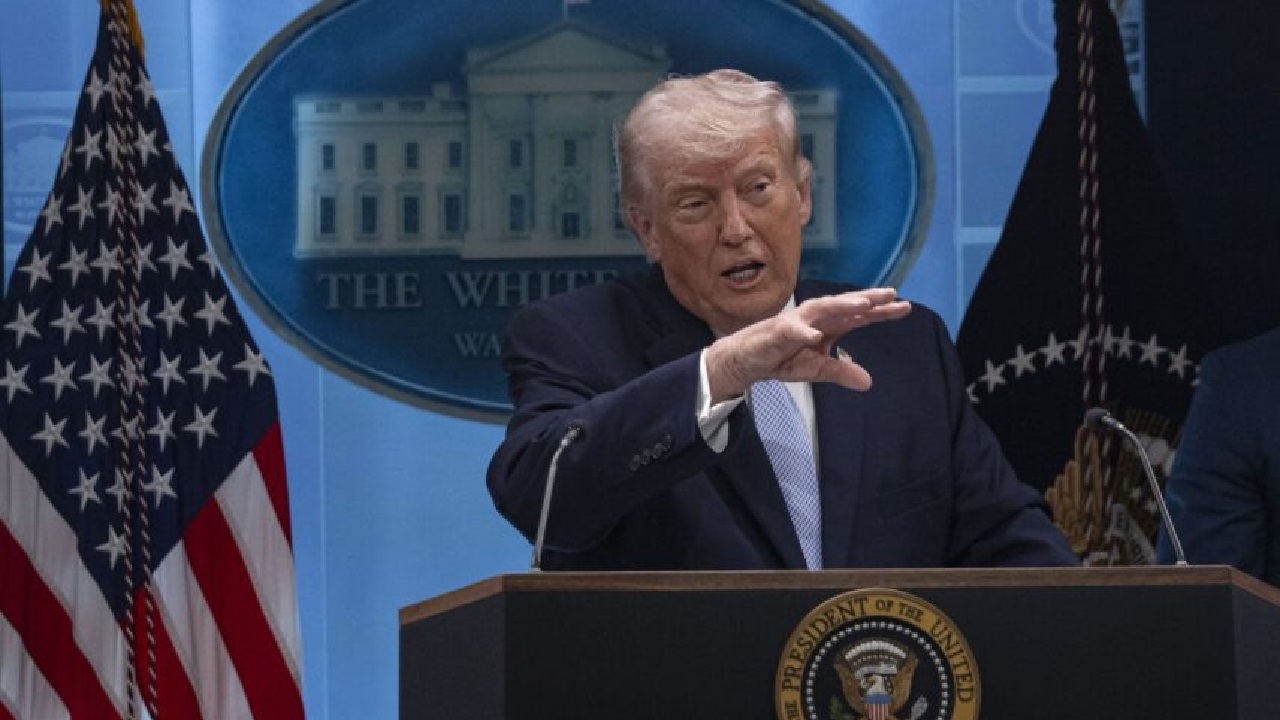



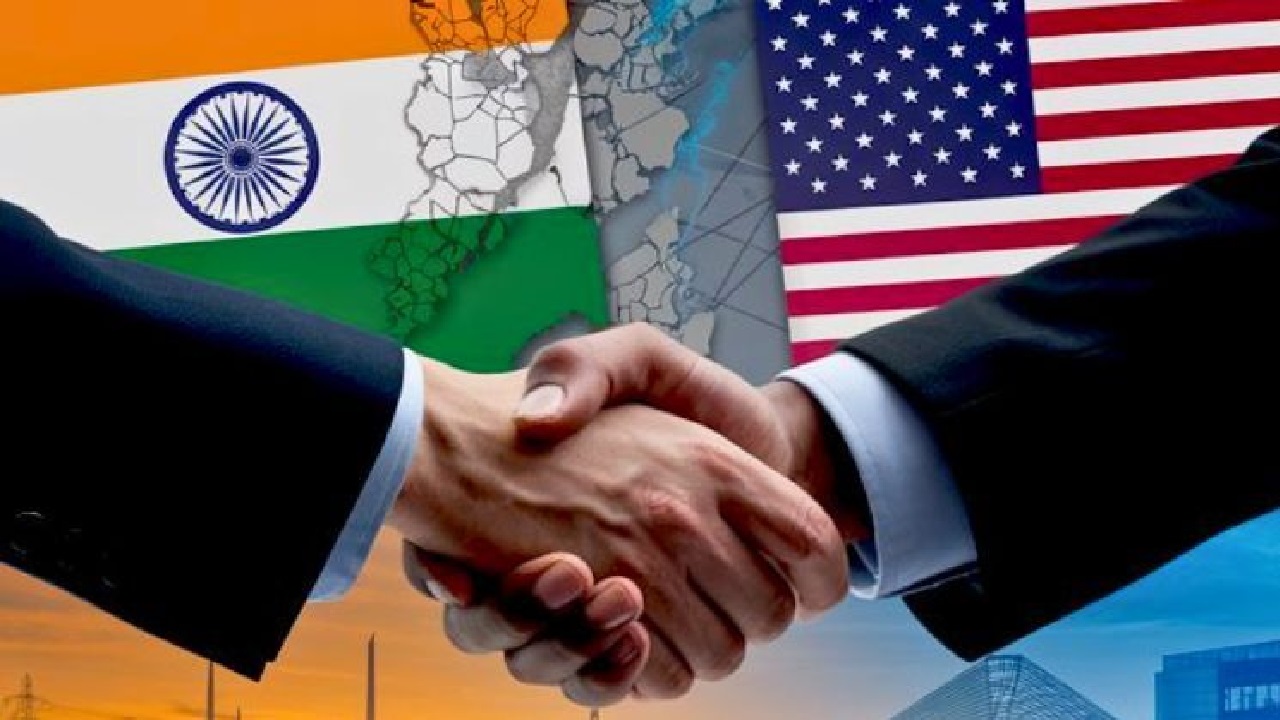
The trade partnership between the United States and India has often swung between promise and friction. Hopes for a Bilateral Trade Agreement (BTA) dimmed when President Donald Trump raised tariffs on Indian exports, then further penalized New Delhi for buying Russian oil after the Ukraine war began. India defended its stance as an issue of sovereignty, but the dispute froze negotiations, leaving only virtual discussions that produced little progress.
Now, with tensions easing slightly, a senior US team has arrived in New Delhi to explore the possibility of reviving talks.
A High-Level Visit to Test the Waters
Brendan Lynch, Assistant Trade Representative for South and Central Asia, is leading the delegation in the first direct engagement since talks collapsed. The group’s brief visit is meant to gauge prospects for resuming dialogue with Indian officials, including chief negotiator Rajesh Agrawal.
Indian officials noted that a deal was nearly concluded before the impasse over Russian oil imports. But Washington’s sharp tariff hikes—25 percent in early August, followed by an increase to 50 percent later that month—brought the process to a halt.
Trade Barriers and Tariff Battles
Beyond oil, Washington has long voiced frustration with India’s trade regime. Former US trade adviser Peter Navarro criticized New Delhi’s high tariff levels and non-tariff barriers, arguing they undermine American businesses. He also accused Indian refiners of profiting from discounted Russian crude since 2022, at a cost to US workers.
New Delhi rejects this framing, stressing that energy security is essential for its economy. Officials emphasize that discussions have continued across diplomatic and trade channels, reflecting India’s willingness to engage despite the setbacks.
Signs of Thaw Amid Diplomatic Frost
Recent gestures suggest a softer tone. President Trump and Prime Minister Narendra Modi exchanged warm messages on social media, affirming their countries as “close friends” and “natural partners.” Trump expressed confidence in reaching a “successful conclusion,” while Commerce Secretary Sunil Barthwal underlined the constructive mindset guiding this week’s meetings.
Though not billed as formal negotiations, the visit by Lynch’s team is seen as a first step toward easing tensions and charting a way forward.
A Constructive Path Forward
The outcome matters not only for trade but also for broader ties between two major democracies. Both sides need to balance their interests: the US pressing for lower tariffs and greater access, and India seeking recognition of its strategic imperatives, especially in energy.
Despite sharp disagreements, leaders in both capitals appear committed to keeping the conversation alive. That in itself reflects the high value each attaches to the partnership.
Renewed Dialogue as a First Step
While no breakthrough is expected immediately, the US team’s presence in Delhi restores much-needed face-to-face dialogue. With shifting supply chains and rising global uncertainties, neither nation can afford prolonged estrangement.
The path to a Bilateral Trade Agreement remains uncertain, but the renewed talks highlight a shared understanding: building a pragmatic, mutually beneficial framework is more valuable than letting disputes harden into stalemate.
(With agency inputs)