A Victory Marred by Controversy
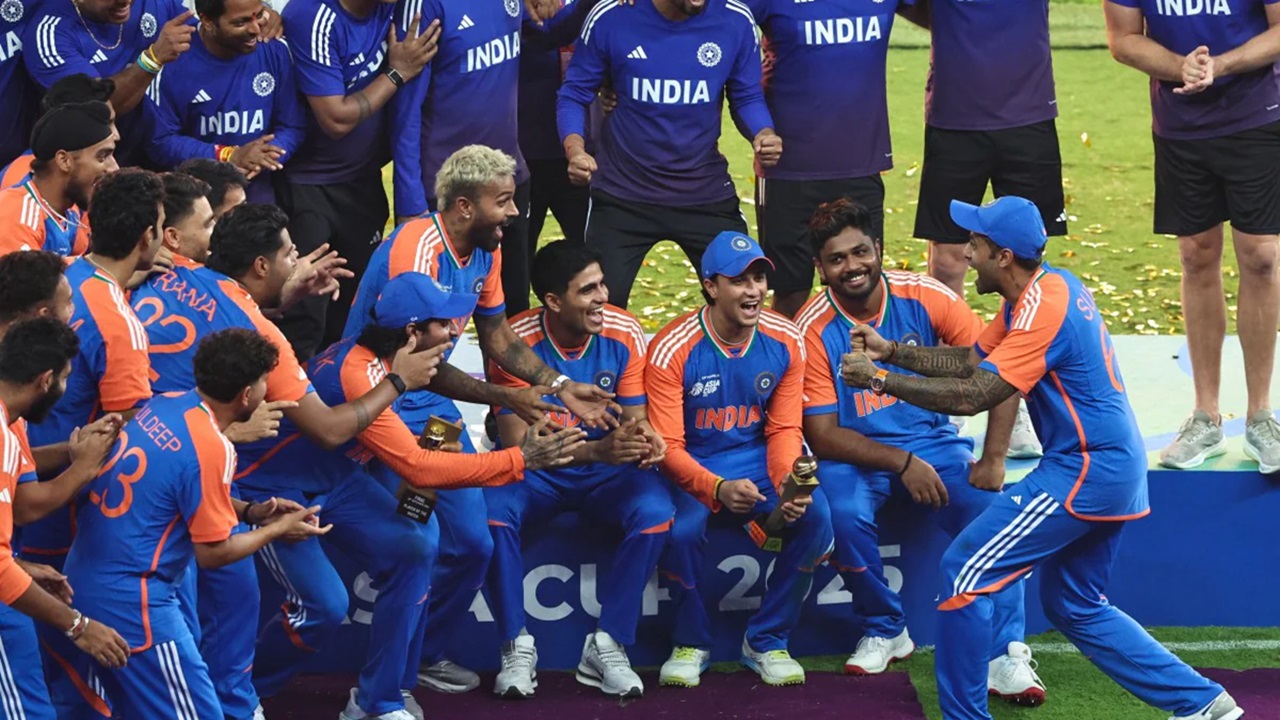
The Asia Cup 2025 final in Dubai was supposed to be remembered for India’s emphatic win over arch-rivals Pakistan. Tilak Varma’s unbeaten 69 steered India to a five-wicket victory, securing the continental crown. Yet, the celebrations were overshadowed by an unprecedented drama during the post-match ceremony. Instead of lifting the glittering trophy, the Indian players walked away empty-handed, triggering a storm both on and off the field.
The Boycott on Stage
The controversy began when Asian Cricket Council (ACC) president Mohsin Naqvi, who is also Pakistan’s Interior Minister and head of the Pakistan Cricket Board (PCB), prepared to present the winners’ trophy. India’s team, led by captain Suryakumar Yadav, categorically refused to accept the silverware from him. The Board of Control for Cricket in India (BCCI) had conveyed that the trophy should be handed over by a neutral official rather than a Pakistani government minister, given the prevailing political tensions.
When this request was ignored, the Indian side stood firm. The awkward standoff brought the ceremony to a halt, leaving Naqvi visibly agitated. In a move that stunned spectators, he stormed off the podium with the trophy and medals in hand, cutting short what should have been a celebratory moment for the champions.
Naqvi’s Walkout
Footage that quickly circulated on social media captured Naqvi leaving the stadium with the trophy. Officials later retrieved the cup, but the incident had already sparked outrage. Naqvi’s dual role—as both a political figure and a cricket administrator—was at the heart of the controversy. His decision to walk away, rather than resolve the situation diplomatically, added fuel to the fire.
Indian Captain Speaks Out
Addressing the press after the match, skipper Suryakumar Yadav voiced his disappointment. “This is something I have never witnessed in my career,” he said. “A team wins a tournament after weeks of hard cricket and is denied the trophy—it is unheard of. But for me, the real trophies are in the dressing room: the 14 teammates and support staff who fought every step of this journey.”
His words highlighted both the pride in India’s performance and the dismay at the post-match fiasco.
BCCI’s Strong Protest
The BCCI wasted no time in declaring its intent to escalate the matter. Secretary Devajit Saikia confirmed that a formal complaint would be lodged at the next International Cricket Council (ICC) meeting. He stated that India could not, under any circumstances, accept the trophy from someone “actively working against the interests of our country.”
The protest underscores how cricket, often hailed as a bridge between nations, remains susceptible to political undercurrents. By allowing Naqvi to preside over the ceremony, the ACC has been accused of neglecting the sensitivities of the tournament’s biggest stakeholders.
Celebrations Without the Silverware
Despite the drama, the Indian squad did not allow the controversy to dim their achievement. In the dressing room, the team celebrated with unrestrained joy—without the trophy, but with a sense of unity. Players cheered Varma’s match-winning innings, which earned him the Player of the Match award, and acknowledged the collective spirit that carried them to the title.
Fans around the world lauded the players for keeping their focus on the sport rather than the distractions of politics. For many, the sight of the team celebrating together symbolised resilience in the face of provocation.
A Larger Lesson for the Game
The Asia Cup final’s abrupt turn of events raises uncomfortable questions about cricket governance. Should administrators with overt political roles be allowed to dominate ceremonial occasions? Should the sport take stronger steps to insulate itself from diplomatic hostilities?
The incident also spotlights the growing demand for neutrality within international cricket. Presentation ceremonies are meant to honour the players’ hard work and unite fans across borders. Instead, this episode has left a bitter aftertaste, turning a sporting spectacle into a political flashpoint.
Cricket Deserves Better
India’s victory over Pakistan should have been remembered for Tilak Varma’s brilliance and the team’s collective grit. Instead, it risks being defined by Mohsin Naqvi’s impulsive exit with the trophy. While the BCCI’s protest may bring accountability, the episode underscores a deeper need: for cricket’s governing bodies to safeguard the spirit of the game from political entanglements.
The champions may not have held the silverware aloft, but in their unity and determination, India showed that true triumph lies beyond trophies. Cricket, however, must ensure such avoidable controversies never overshadow the game again.
(With agency inputs)