Trump Announces Big Oil Deal in Pakistan—Too Bad the Oil Isn’t Proven Yet
Trump’s Bold Announcement
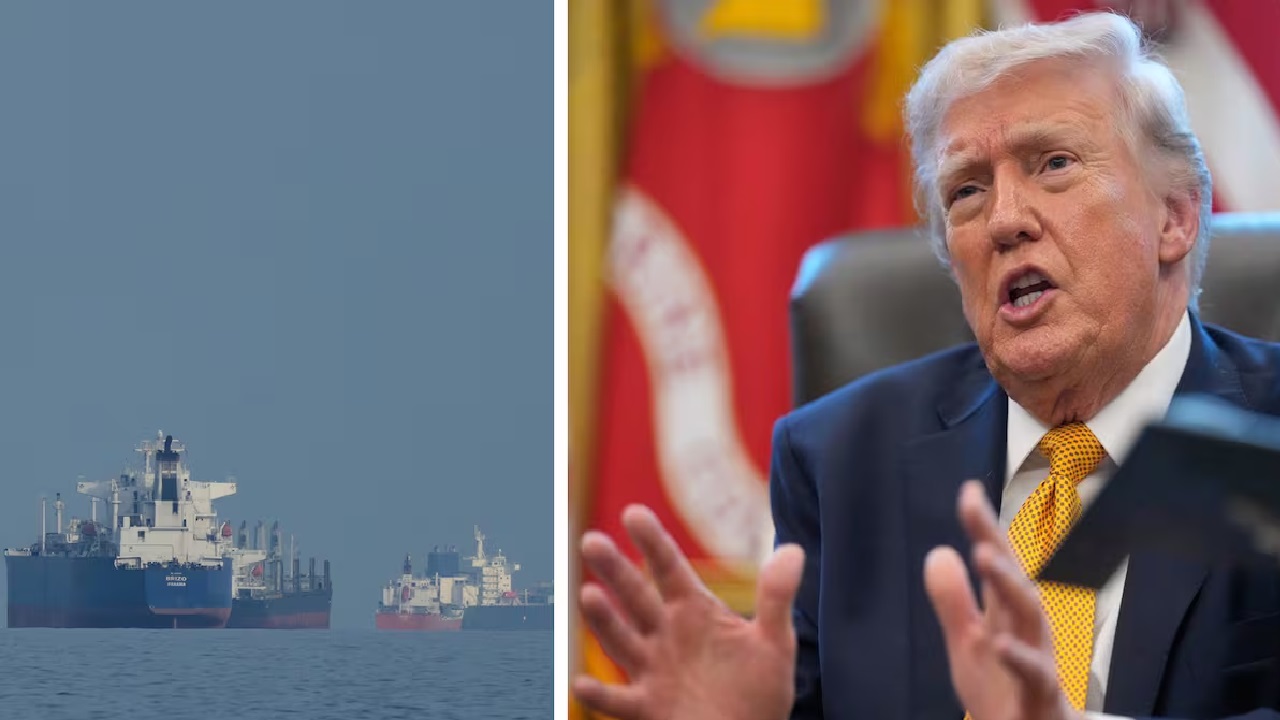
On July 30, former U.S. President Donald Trump declared on Truth Social that Washington had “just concluded a deal with the country of Pakistan” to jointly develop Pakistan’s “massive oil reserves.” He added that the U.S. is selecting the oil company to lead the initiative and hinted that Pakistan might someday even export oil to India. The announcement came shortly after Trump imposed steep 25% tariffs on Indian imports, stirring debate over U.S. geopolitical priorities in South Asia.
Setting the Scene: Pakistan’s Energy Landscape
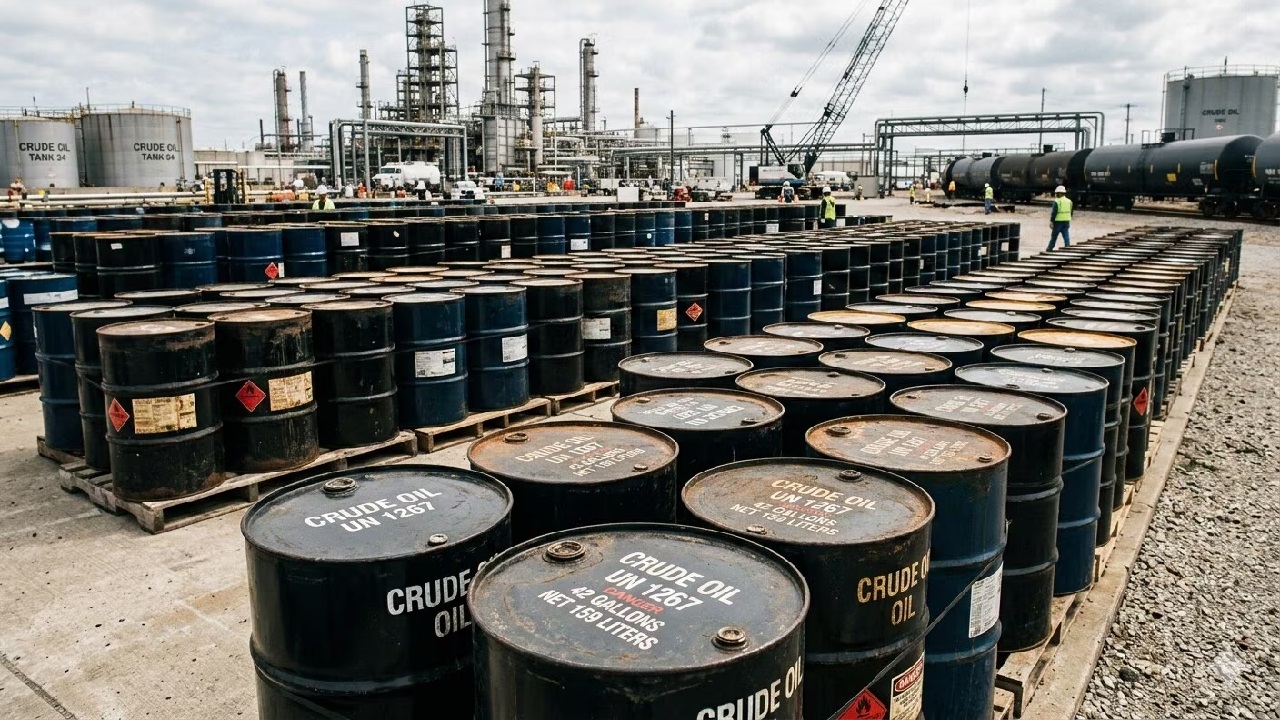
Pakistan’s known conventional oil reserves remain modest. As of December 2024, reserves were estimated at 238 million barrels, up from 193 million barrels the previous year—a 23% increase driven by updated field estimates and new discoveries. Despite this growth, Pakistan remains ranked far below major global producers. These reserves are projected to last only around 10 years if fully realized; gas reserves, at approximately 18.1–18.5 trillion cubic feet, could last about 17 years.
Most deposits are located in fields like Pasakhi, Rajian, Baloch-2, and Mari Ghazi. While reserves have increased recently, extraction volumes remain low and lack robust infrastructure for full-scale commercialization.
Offshore Prospects: The Blue-Water Ambition
Claims of a “massive” find stem from a three-year offshore survey—carried out with a friendly international partner—that reportedly identified substantial petroleum and natural gas deposits in Pakistan’s territorial waters. Officials have suggested these may rank among the world’s fourth-largest oil and gas reserves.
Yet, parliamentarian-level optimism is tempered by practical realities. Experts warn that no commercial drilling has validated these discoveries, and the reserves remain unproven in terms of recoverability or economic feasibility.
Trump’s Claim: Strategic Signal or Substance?
The timing and tone of Trump’s declaration suggest it carries more geopolitical weight than technical precision. Observers interpret the announcement as part of a broader U.S. strategy to counter China’s deep ties with Pakistan and exert subtle pressure on India. Trump reportedly also hinted that U.S. crude may start flowing to Pakistan by late 2025, albeit with prohibitive tariffs (~19%) that could limit commercial viability.
Pakistan’s Prime Minister Shehbaz Sharif applauded the deal as “historic,” thanking Trump for bolstering economic cooperation and trade opportunities
Expert Reactions: Reality Check from India
Indian leaders quickly pushed back. Congress MP Shashi Tharoor mocked the oil deal, calling it based on “illusions” and ironic given Pakistan’s high fuel prices—around ₹264.61 per litre—and weak hydrocarbon output.
Ex-Foreign Secretary Kanwal Sibal questioned Washington’s interest in Pakistan’s modest reserves, pointing out that even China, Pakistan’s leading strategic partner, has not launched such initiatives.
Geopolitical analyst Sharat Sabharwal said that no proven offshore or onshore reserves exist in Pakistan at a level that would support a major energy project. Similarly, Swathi Kalyani of The Takshashila Institution highlighted the lack of public data to validate claims, noting that India’s proven reserves significantly outshine Pakistan’s (India globally ranks ~23rd, Pakistan ~52nd).
Financial and Technical Hurdles
Even assuming genuine offshore reserves, the path ahead is strewn with engineering, logistical, and financial obstacles. Experts estimate $5 billion and four to five years would be needed just to carry out exploration and begin extraction. Longer-term schemes involving gas may require up to $25–30 billion for extraction of around 10% of forecasted gas reserves over a decade.
Pakistan’s fragile economy, mounting external debt (~$126 billion), and domestic instability further heighten risks. Major global energy companies have been retreating: ENI exited in 2021, Kuwait’s KUFPEC offloaded assets in 2024, while Shell and Total Energies withdrew by late 2024 .
Security issues also pose a serious deterrent. Insurgency in Balochistan and growing attacks on foreign infrastructure have dampened investor confidence. Only a handful of countries—mainly China and Turkey—remain engaged with Pakistan’s energy sector.
Sector Responses: Domestic Industry Weighs In
Pakistan’s state energy firm OGDCL and others cautiously praised the latest finds, citing recent growth in onshore production and small fields like Mari Petroleum and PPL, which helped boost reserves by 26% and 23% mid‑2024 respectively. Nonetheless, company insiders stress that these remain incremental gains and that commercial scaling has barely begun.
Vision or Vapor?
Trump’s announcement has injected renewed optimism into Pakistan’s energy narrative—but realities on the ground remain unresolved. While recent reserve growth and offshore surveys hint at potential, the lack of confirmed reserves, capital constraints, and security concerns suggest the agreement may still be more symbolic than substantive.
For Islamabad, it presents a potential path toward energy independence and regional influence—but it is a path that will require billions in investment, geopolitical maneuvering, and years of actual drilling before “massive” becomes reality.
(With agency inputs)