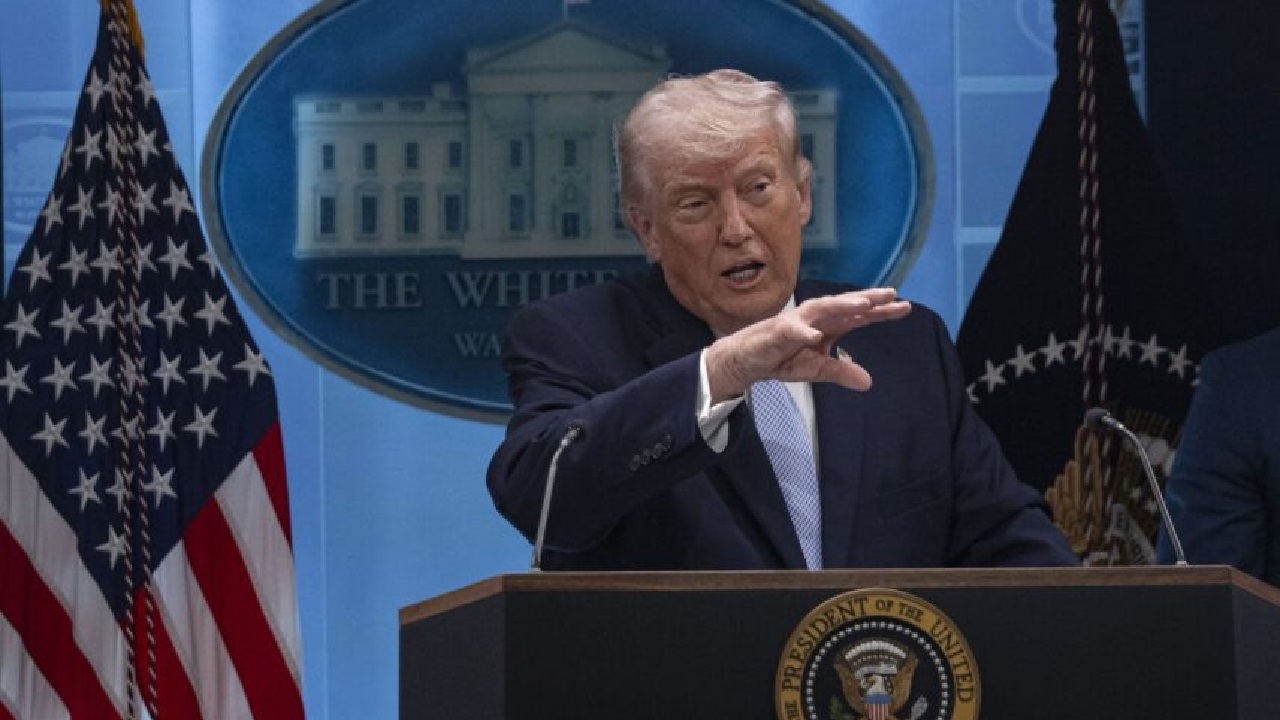



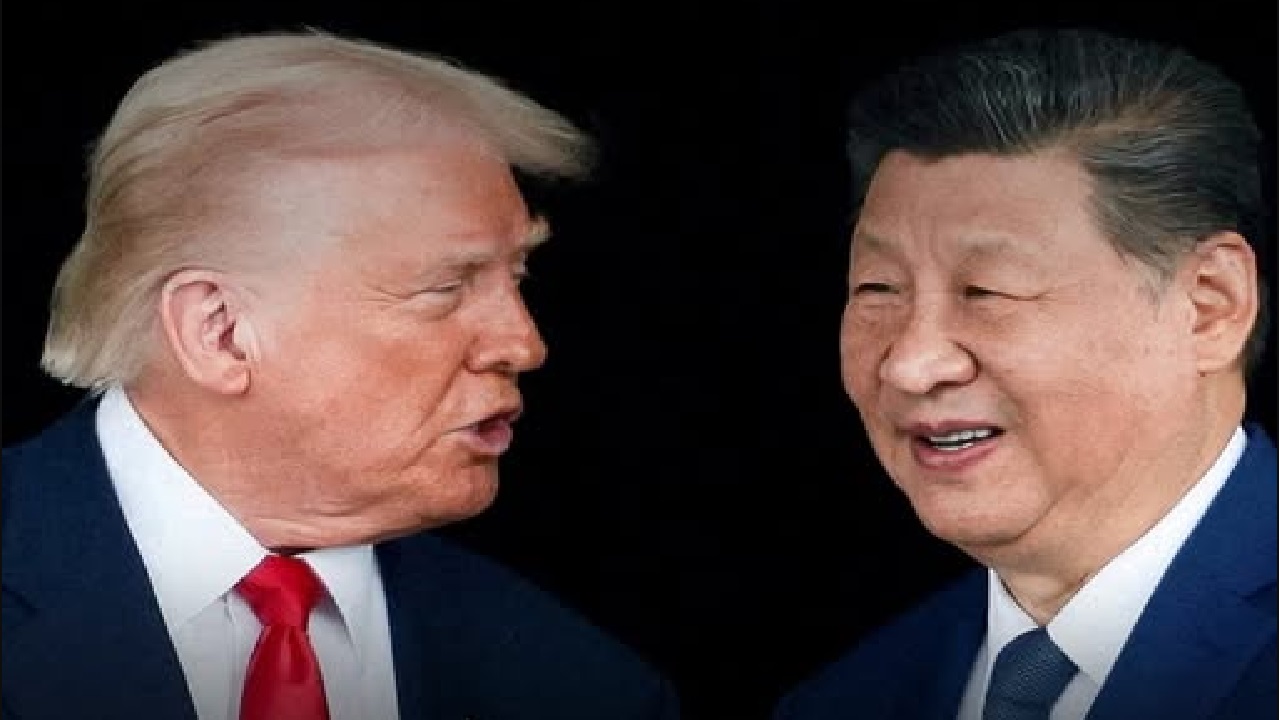
In a notable diplomatic twist, US President Donald Trump publicly credited China for playing a key role in persuading Iran to accept a temporary ceasefire. The acknowledgment has sparked a larger debate: will Beijing step out from behind the scenes and take a visible role in shaping the next phase of negotiations, particularly at the proposed talks in Islamabad?
China’s Quiet Influence Over Iran
China’s leverage over Iran is rooted in deep economic and strategic ties. As Iran’s largest oil buyer and a major partner in long-term infrastructure and energy projects, Beijing holds significant sway over Tehran’s decision-making. Reports suggest that while Iran initially resisted proposals for a temporary truce, sustained diplomatic pressure from China helped shift its position.
Chinese Foreign Minister Wang Yi is believed to have engaged in extensive backchannel diplomacy, holding numerous discussions with regional stakeholders. This effort combined economic persuasion with strategic signalling—highlighting the risks prolonged conflict could pose to Iran’s exports and development prospects.
At the same time, China maintained a public stance aligned with non-interference, even coordinating with Russia to resist coercive international measures. This dual-track approach allowed Beijing to influence outcomes without appearing overtly interventionist.
Islamabad Talks and the China–Pakistan Axis
The upcoming negotiations in Islamabad, spearheaded by Pakistan, are closely tied to a broader China–Pakistan initiative aimed at stabilising the region. This framework includes calls for a cessation of hostilities, reopening critical trade routes, and establishing a longer-term peace architecture.
China has openly supported Pakistan’s mediation efforts, signalling close coordination between the two countries. However, whether Beijing will participate as a formal negotiator or remain in an advisory capacity remains uncertain. Much will depend on how the US and its allies balance their strategic rivalry with China against the practical need for its influence in securing a durable agreement.
A Calculated Strategy of Staying in the Background
China’s reluctance to take centre stage is not accidental. By operating from the background, Beijing avoids being perceived as a proxy for Western interests or as a dominant security actor in the region. This approach helps maintain its carefully cultivated image as a neutral economic partner rather than a geopolitical enforcer.
At the same time, this strategy allows China to safeguard its long-term interests. Stability in the region is crucial for protecting energy flows and advancing infrastructure projects linked to its global connectivity ambitions. By quietly shaping the ceasefire, China ensures its stakes are protected without exposing itself to the political risks of high-profile mediation.
The Rise of a Quiet Power Broker
China’s role in the Iran ceasefire highlights a distinctive model of global influence—one that prioritises subtlety over visibility. While the US applies direct pressure and leads formal negotiations, China leverages economic ties and diplomatic channels to guide outcomes from behind the scenes.
As talks move to Islamabad, the question is not whether China is involved, but how visible that involvement will become. If the current ceasefire evolves into a broader agreement, Beijing may gradually step into a more formal role. Until then, its strategy remains clear: shape the outcome, share the credit sparingly, and avoid the spotlight unless absolutely necessary.
(With agency inputs)