A New Push for Recovery Funding
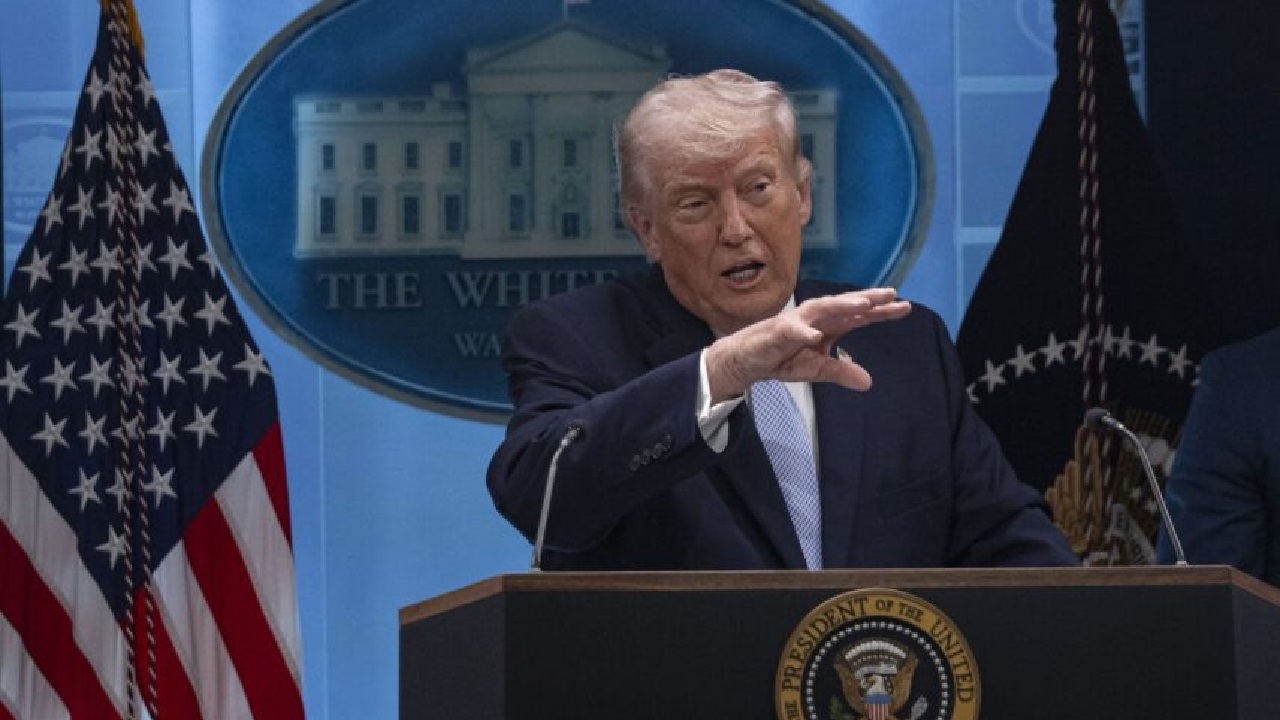
When Donald Trump signed a sweeping addiction-recovery law on 2 December 2025—authorising several billion dollars for treatment, prevention and long-term support—he reframed the early contours of his new “war on drugs.” The initiative signals a renewed focus on the public-health side of the overdose crisis, even as his broader strategy continues to rely heavily on hardline border, trade and security tools to combat fentanyl. The legislation effectively updates the framework first created under the 2018 SUPPORT Act, reinforcing addiction recovery as a long-term pillar of US health policy.
What the New Law Actually Does
The law expands federal capacity for community-based addiction treatment, recovery housing, mental-health support and research into substance-use disorders. It also offers loan-repayment incentives to strengthen the addiction-treatment workforce.
On the regulatory side, the statute modernises controlled-substance rules by allowing certain medications to be administered more efficiently under clinical supervision. Crucially, it orders federal agencies to implement a long-promised special registration system enabling clinicians to prescribe controlled substances via telemedicine—a tool envisioned since 2008 but never fully established.
Although authorisation does not guarantee immediate spending, the law lays the groundwork for multibillion-dollar appropriations expected to follow, anchoring addiction recovery deeper into federal health architecture.
Continuity With Trump’s 2018 Opioid Agenda
This measure is not a departure but a continuation. During his first term, Trump backed a significant blend of treatment access, Medicaid flexibility and enforcement tools under the SUPPORT Act and related programmes. His budgets previously committed nearly $28 billion to drug-control efforts, with more than a billion directed specifically toward prevention, treatment and recovery.
The renewed law signals bipartisan agreement that addiction recovery requires stable, long-term investment—especially as fentanyl drives record overdose deaths across the country.
Projected Outcomes and How Success Will Be Measured
The programme’s impact will ultimately be judged through outcomes, not authorisations. Policymakers and public-health experts expect improvements across three main domains:
1. Reduced Overdose Mortality
The most urgent goal is to drive annual overdose deaths downward—particularly those involving synthetic opioids—toward or below the federal benchmark of roughly 80,000 fatalities.
2. Expanded Access and Retention in Treatment
Success will depend on more people entering and staying in evidence-based care, especially medication-assisted treatment (MAT). Gains in recovery stability, lower relapse rates and reductions in suicide or mental-health crises are central metrics.
3. Stronger Treatment Infrastructure
The law aims to expand local capacity: shorter wait times, more treatment beds, better rural coverage, and a larger workforce of clinicians, counsellors and peer-support providers. Telemedicine prescribing, once implemented, will also be closely monitored.
To track progress, agencies will measure overdose deaths and emergency-department visits; treatment access, retention and completion; naloxone distribution and overdose reversals; use of crisis-response systems; workforce expansion; and broader social outcomes such as employment, housing stability and reductions in low-level drug-related incarceration.
If these indicators move consistently in a positive direction over several years, the programme will be viewed as delivering on its core mission.
Trump’s ‘War on Drugs’: Treatment Meets Geopolitics
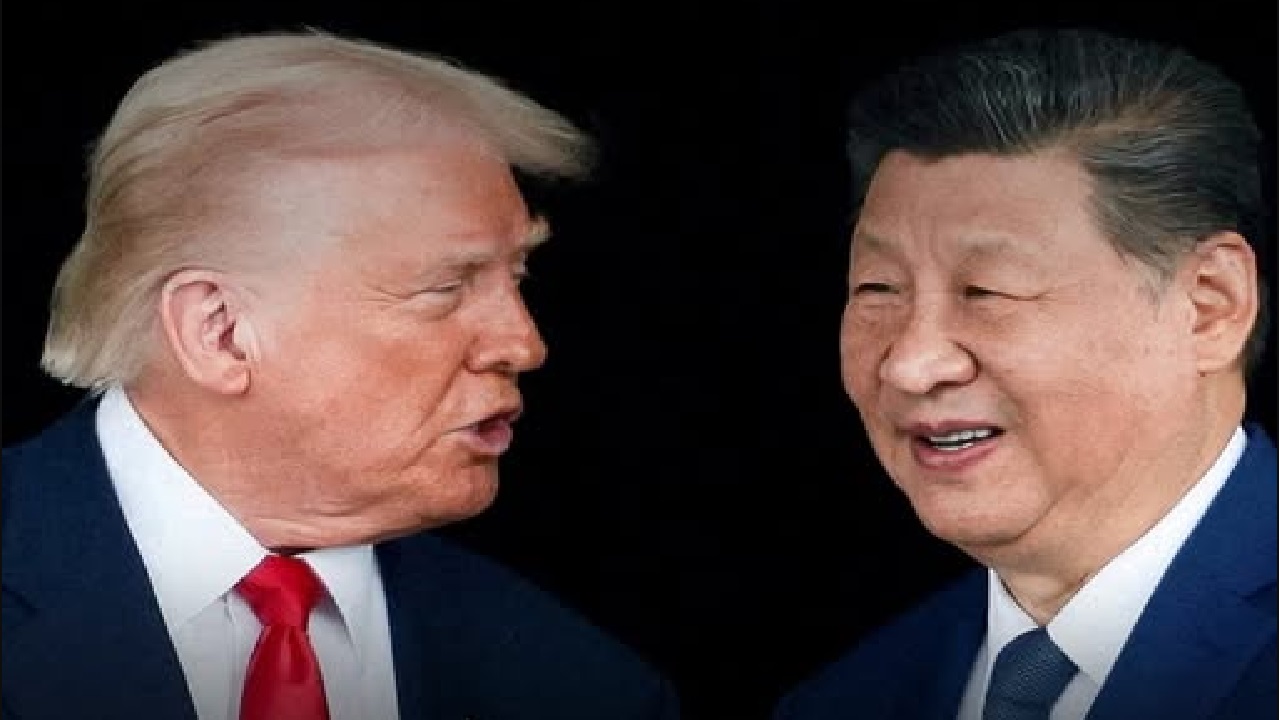
Despite the public-health focus of the new law, Trump’s rhetoric and strategy continue to cast the fentanyl crisis as a national-security threat. He has linked overdose deaths to Chinese precursor exports, using this rationale to justify sweeping tariffs that function as punitive measures. His administration has also authorised multiple military strikes on suspected trafficking vessels in the Caribbean and near Venezuela, while tying domestic drug policy to stricter border control.
This creates a dual framework: generous funding for recovery on one hand, and aggressive enforcement and geopolitical pressure on the other.
A War Fought on Two Fronts
Trump’s newest legislation strengthens the country’s recovery infrastructure, signalling that treatment and long-term care are now embedded in federal drug policy. Yet his broader “war on drugs” remains shaped by a securitised view of fentanyl, in which trade penalties, border crackdowns and military operations sit alongside expanded treatment access.
Whether this approach ultimately saves lives or deepens political and geopolitical tensions will depend on sustained investment, transparent metrics, and a careful balance between public health and punitive force.
(With agency inputs)